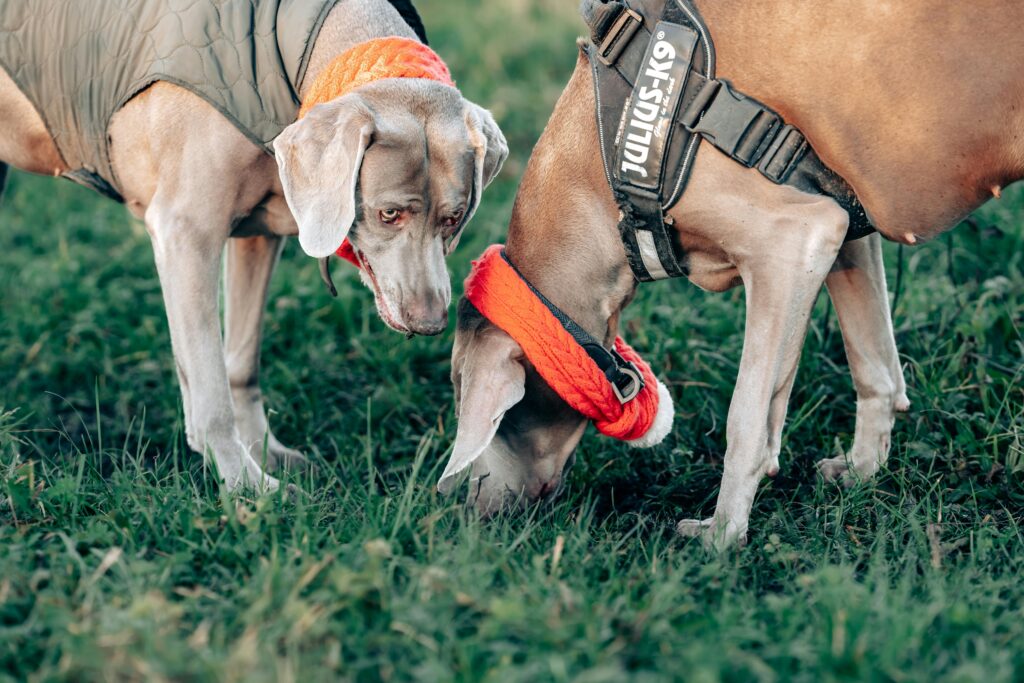
“Ever felt like your rescue dog’s nose is running the show—and not in a good way? What if you could turn that sniffing superpower into something amazing?”
If you’ve adopted a rescue dog, you already know they’re no ordinary pup. They bring quirks, baggage, and boundless potential into our lives. But one thing remains universal: their noses are basically tiny crime labs on four legs. Today, we’re diving deep into positive scent alert training, a game-changing method to channel those sniffing instincts into meaningful tasks while strengthening your bond.
Table of Contents
- Introduction to Positive Scent Alert Training
- Why Your Rescue Dog Needs This
- Step-by-Step Guide to Successful Training
- Pro Tips for Maximizing Results
- Examples of Transformation
- Frequently Asked Questions
Key Takeaways
- Positive scent alert training builds trust with rescue dogs through reward-based methods.
- This technique harnesses their natural sniffing abilities, keeping them mentally stimulated and engaged.
- Avoid punishment during training—positivity leads to progress!
- Patience is key; even small wins count big time.
What Is Positive Scent Alert Training?
I once tried teaching my rescue mutt, Max, how to sit using stern commands and repetitive corrections. Spoiler alert: it failed miserably. That’s when I stumbled upon positive reinforcement techniques, which eventually led me to discover positive scent alert training. It’s all about turning your dog’s natural curiosity and olfactory brilliance into a structured activity where they “alert” you to specific scents.

Rescue dogs have an extraordinary sense of smell—let’s make it work for us!
Why Every Rescue Dog Owner Should Care About This
Here’s the raw truth: many rescue dogs come from less-than-ideal backgrounds. Some may struggle with anxiety, aggression, or simply adapting to domestic life. Enter scent training—a magical blend of fun, focus, and fulfillment. Not only does it give your pup a job to do, but it also boosts confidence and reduces stress. Plus, who wouldn’t want to brag about having a furry detective at home?
Grumpy Optimist Dialogue:
Optimist You: “Imagine walking into a room, and your dog alerts you to a hidden stash of cookies!”
Grumpy You: “Or maybe they’ll just destroy every cereal box looking for clues…”
Step-by-Step Guide to Positive Scent Alert Training
Step 1: Start Simple – Choose a Target Scent
Your first move? Pick a scent that’s easy to isolate (like vanilla extract or lavender oil). Dab it onto cotton balls or a piece of cloth. Keep it consistent—it’s less confusing for your pupper.
Step 2: Make It Clicker-Worthy
Purchase a clicker or use a word/phrases like “Yes!” whenever your dog interacts correctly with the scent. Follow up immediately with rewards—think treats, belly rubs, or playtime. Timing is everything here.
Step 3: Level Up Gradually
Once your dog nails identifying the scent consistently, introduce challenges. Hide the item across the room, then behind furniture, and finally in other rooms. Progress slowly and celebrate each victory.
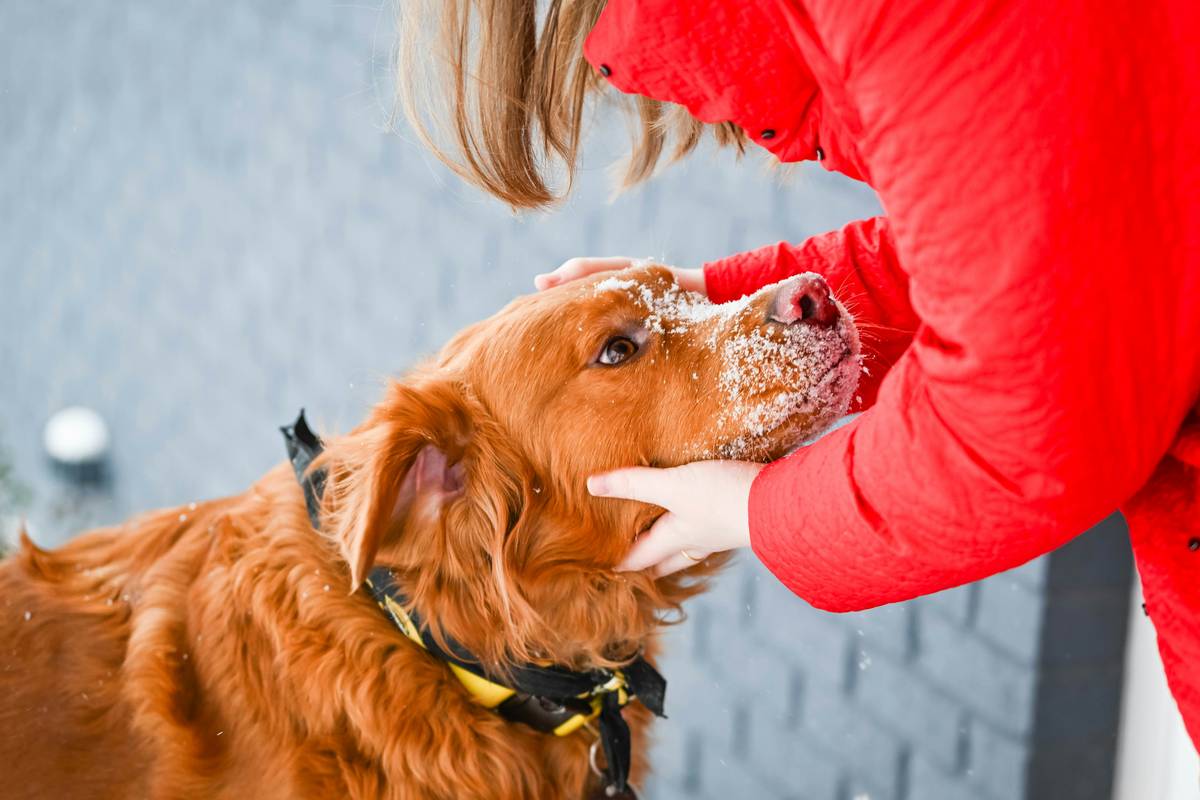
Visualization of step-by-step training progression.
Pro Tips for Making Positive Scent Alert Training Work Wonders
- Terrible Tip Disclaimer: Never force your dog to proceed if they seem anxious or disinterested. Training should always be voluntary.
- Keep sessions short (<5 minutes) to avoid burnout.
- Use high-value treats that motivate your dog—smelly cheese works wonders!
- Vary locations to keep things interesting and ensure generalization.
Rant Break:
Let me get real here for a sec. Why do some trainers insist on punishing dogs for mistakes? It’s baffling! Dogs aren’t calculators—they’re emotional beings. Punishing them only damages trust and makes future training harder. Stick to positivity; trust me, it pays off.
Real Stories: From Chaos Pups to Scent Detectives
Buddy was a notorious escape artist before his owner introduced him to scent work. Fast forward six months, and he now competes in novice scent detection competitions! Or take Luna, who had severe separation anxiety. Her parents credit her transformation to daily scent training sessions, which gave her purpose and calmness.
The power of patience and positive scent alert training.
Frequently Asked Questions
Q1: How long does it take to teach a rescue dog this skill?
It varies depending on the dog’s personality and prior experiences. Most pups start picking it up within weeks, though mastering advanced skills can take months.
Q2: Can any breed benefit from positive scent alert training?
Absolutely! Whether you own a Basset Hound or a Chihuahua, their snouts are hardwired for sniffing excellence.
Q3: Is professional help necessary?
Not always. Many resources (books, videos, courses) exist for DIYers, but consulting a certified trainer ensures proper technique.
Conclusion
Wrapping this up: positive scent alert training isn’t just another trend; it’s a lifeline for rescue dogs who need structure, mental engagement, and love wrapped into one sniffable package. Give it a shot—you might just uncover your pup’s inner Sherlock Holmes.
Like a Tamagotchi, your SEO needs daily care. 🍃 Remember, persistence breeds success.