“Did you know that 60% of rescue dogs struggle to adapt due to trust issues? But what if you could teach them something incredible—like sniffing out specific scents?”
When we adopted our rescue dog, Max, he had the attention span of a goldfish. Every sock in the house became his personal chew toy until I discovered scent discrimination training. This method transformed not just him but our entire household. If you’ve been struggling with a rescued pup who seems impossible to focus—and let’s face it, almost all do—this guide is for YOU.
In this post, we’ll dive into everything about scent discrimination training for rescue dogs. By the end, you’ll learn:
- Why scent work rebuilds trust and boosts confidence.
- A step-by-step breakdown to get started.
- Tips to make progress faster (without losing your mind).
Table of Contents
- Key Takeaways
- Why Scent Training Matters
- Step-by-Step Guide to Scent Discrimination Training
- Tips & Best Practices
- Real-Life Examples of Success
- Frequently Asked Questions
Key Takeaways
- Scent discrimination helps build trust and focus in rescue dogs.
- It works wonders even for anxious or hyperactive pups.
- The process involves patience, small steps, and rewards.
- You don’t need fancy tools—just treats, target scents, and consistency.
Why Scent Discrimination Training Matters

Dogs are natural-born sniffers. Did you know they have over 220 million olfactory receptors? Compare that to our measly five million, and it’s clear: their world revolves around smells. For rescue dogs dealing with trauma, anxiety, or adjustment challenges, scent work provides a safe outlet to channel energy while rebuilding trust.
Scent discrimination training allows dogs to differentiate between odors effectively. Imagine rewarding them each time they correctly pick out one particular smell from an array of distractions—that kind of success creates joy on both ends of the leash. Plus, it’s insanely fun for you too!
Rant Alert:
So many people think obedience drills are the ONLY way to train a rescue dog. Honestly, asking a traumatized pup to sit still and listen can feel like trying to teach algebra to a toddler. Scent games? Chefs kiss. Let’s stop boxing every dog into rigid routines when there’s so much more out there.
Step-by-Step Guide to Scent Discrimination Training
Step 1: Choose a Target Scent
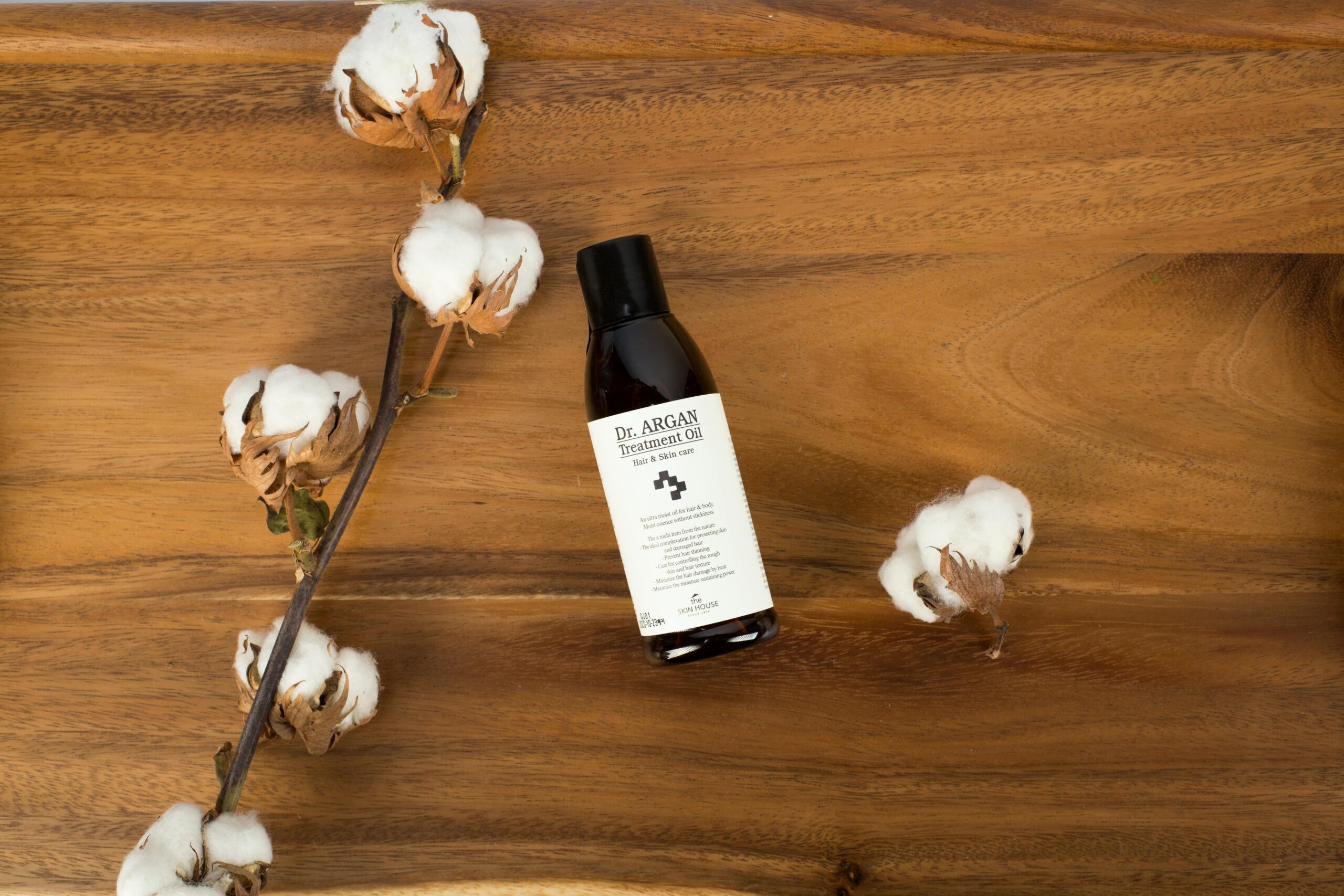
Pick something simple yet unique—a drop of lavender oil on a cotton ball, for example. Avoid anything toxic or overly strong, like perfumes or chemicals. Keep it consistent; changing scents mid-training will confuse your pooch.
Step 2: Introduce the Scent
Show your dog the scented item without forcing interaction. Pair it with high-value treats immediately after sniffing—think cheese cubes or boiled chicken bits. Say “Yes!” firmly once they show interest to reinforce positive association.
Step 3: Add Distractions Gradually

Place the target scent next to unrelated objects, like empty bowls or unscented toys. Encourage your dog to sniff through them until they find the correct object. Reward generously upon success! Repeat this daily, increasing difficulty by adding similar-smelling items.
Tips & Best Practices
- Keep Sessions Short: Rescue dogs often tire quickly mentally. Aim for 5–10 minute sessions initially.
- Use Positive Reinforcement Only: Never punish mistakes! Dogs thrive on praise and food rewards.
- Mix It Up: Rotate hiding spots indoors and outdoors to challenge your pup further.
- Be Patient: Some dogs take weeks before fully grasping concepts. Trust the process.
Terrible Tip Disclaimer:
If someone tells you to skip foundation steps because “dogs naturally understand,” run. Fast. Skipping foundational stages sets your dog up for confusion and frustration—not exactly helpful vibes.
Real-Life Examples of Success

Maggie, a pitbull mix rescued from neglect, transformed completely through scent discrimination training. Her handler shared how Maggie went from snapping at strangers to calmly working in senior care homes as part of a therapy team. She found purpose again thanks to consistent scent games that boosted her confidence.
Another success story features Oscar, who struggled with separation anxiety. His owner integrated scent exercises into daily life, hiding keys or shoes sprayed lightly with vanilla extract. Within months, Oscar no longer panicked when left alone—he’d happily search for pre-hidden treasures instead!
Frequently Asked Questions
Q: How long does scent discrimination training take?
A: Most dogs grasp basic commands within two to four weeks of regular practice. Advanced skills may require several months depending on individual temperament and past experiences.
Q: Can any breed benefit from scent work?
A: Absolutely! From Chihuahuas to Great Danes, all breeds possess incredible noses capable of scent-based tasks. Even shy or stubborn pups excel once introduced properly.
Q: Is this method suitable for aggressive rescues?
A: While highly effective, consult a professional trainer first. Scent discrimination builds confidence safely but isn’t always appropriate for severe behavioral issues.
Conclusion
Teaching scent discrimination to your rescue dog offers far more than obedience—it fosters healing, trust, and endless bonding moments. With some treats, creativity, and lots of love, watch your furry friend grow into their best self.
As promised earlier, here’s your bonus haiku:
Sniff, wag, then conquer
A nose leads where paws cannot
Rescue hearts heal strong.
Now go forth and unleash your dog’s inner Sherlock Holmes!