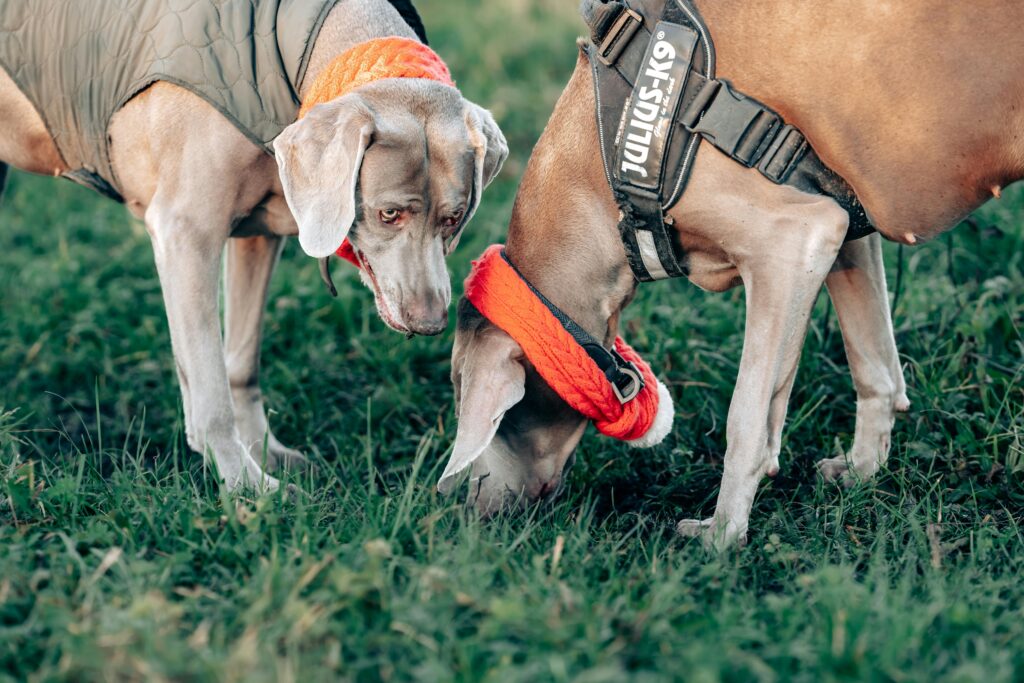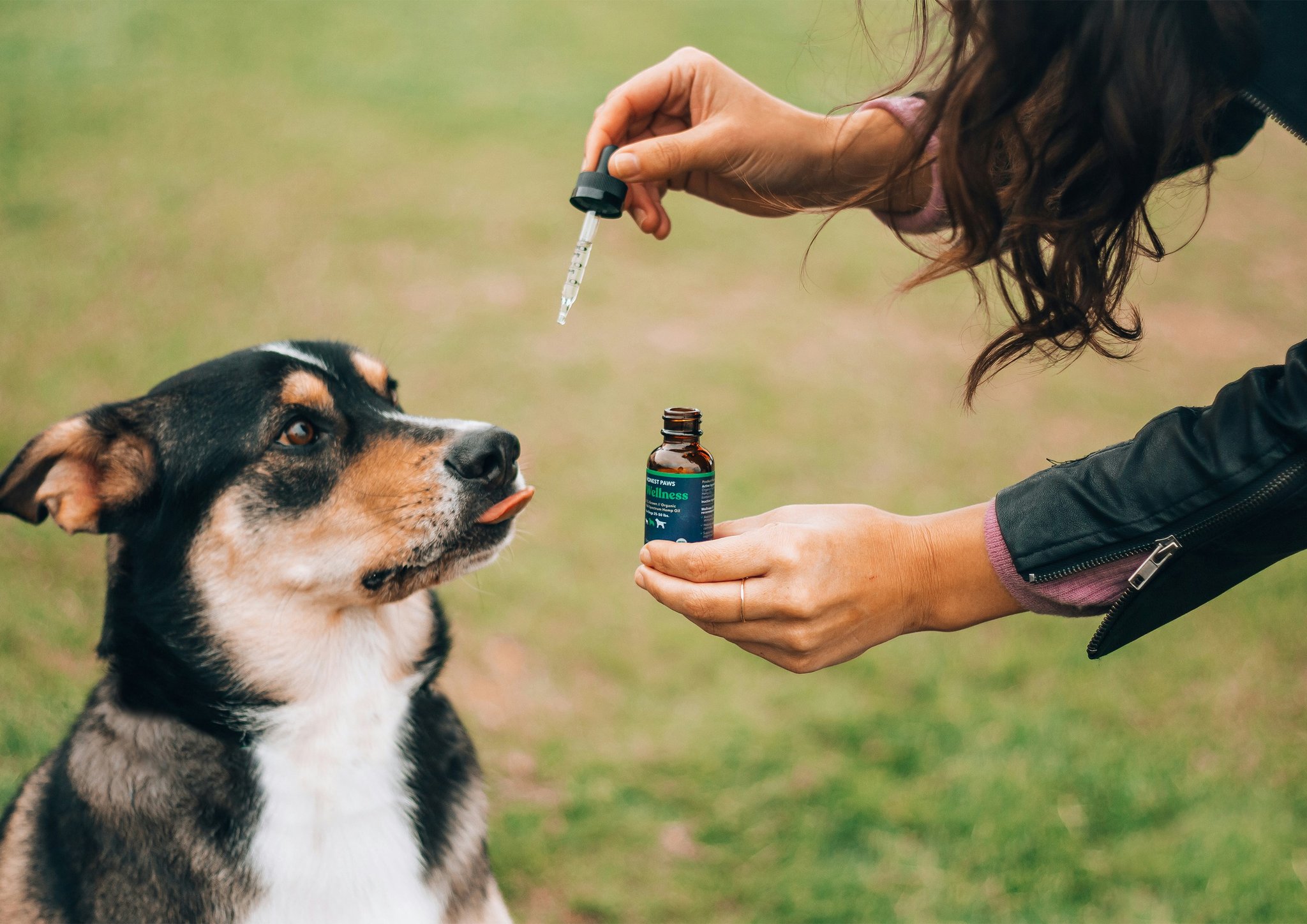
Ever wondered why your rescue dog seems to sniff everything in sight? What if I told you that nose could save lives—and maybe even help them find their purpose again? With scent alert dog training, you’re not just teaching commands; you’re unlocking a whole new way for your pup to interact with the world.
In this post, we’ll tackle the ins and outs of scent alert dog training tailored specifically for rescue dogs. You’ll learn about the importance of patience, practical steps to get started, pro tips from experts, real-life success stories, answers to FAQs, and so much more. Let’s dive into how you can turn those sniffers into superheroes!
Table of Contents
- Introduction to Scent Alert Dog Training
- Why Scent Alert Dog Training Matters for Rescue Dogs
- Step-by-Step Guide to Start Scent Alert Dog Training
- Top Tips and Best Practices
- Real-Life Examples and Case Studies
- Frequently Asked Questions About Scent Alert Dog Training
- Conclusion
Key Takeaways
- Rescue dogs often have heightened senses that make them ideal candidates for scent work.
- Patient repetition is key—start small and build up complexity over time.
- Professional guidance can enhance results but isn’t always necessary.
- Positive reinforcement creates lasting behavioral changes.
- Scent alert training improves mental health by engaging natural instincts.
Why Scent Alert Dog Training Matters for Rescue Dogs

“I once tried obedience classes without understanding my rescue’s unique needs—it felt like trying to teach math to someone who only spoke French.” Sound familiar?
Scent alert dog training focuses on leveraging innate canine abilities, which many rescue dogs possess naturally. These pups often come from challenging backgrounds where survival instincts forced them to rely heavily on their sense of smell. By channeling these strengths through structured training, you offer them both purpose and healing.
Not convinced yet? Research shows that mentally stimulating activities significantly reduce anxiety and destructive behaviors in dogs. It’s chef’s kiss for rebuilding trust and fostering emotional growth.
Step-by-Step Guide to Start Scent Alert Dog Training

- Select a Target Scent: Choose something safe and appealing like lavender or vanilla extract. Avoid anything toxic!
- Create Positive Associations: Pair the chosen scent with treats. This tells Fido, “Sniff this = yummy reward!”
- Introduce Simple Searches: Hide the scented item nearby while they watch, then encourage searching.
- Gradually Increase Difficulty: Move hiding spots further away and introduce distractions.
“Optimist You: ‘They’ll catch on fast!’ Grumpy You: ‘Ugh, fine—but only if coffee’s involved.'”*
Top Tips and Best Practices
- Keep Sessions Short and Sweet: Aim for 5–10 minutes max per session to prevent burnout.
- Mix Up Rewards: Rotate between food, toys, praise, etc., to maintain excitement.
- Stay Calm and Consistent: Dogs feed off owner energy; remain patient and upbeat!
- Avoid Overtraining: Terrible Tip Disclaimer: Pushing too hard leads to frustration—not progress.
Rant Alert: Nothing annoys me more than trainers skipping basic principles like respect for individual paces. Just because one dog masters scent detection overnight doesn’t mean all will. Chill out already!
Real-Life Examples and Case Studies
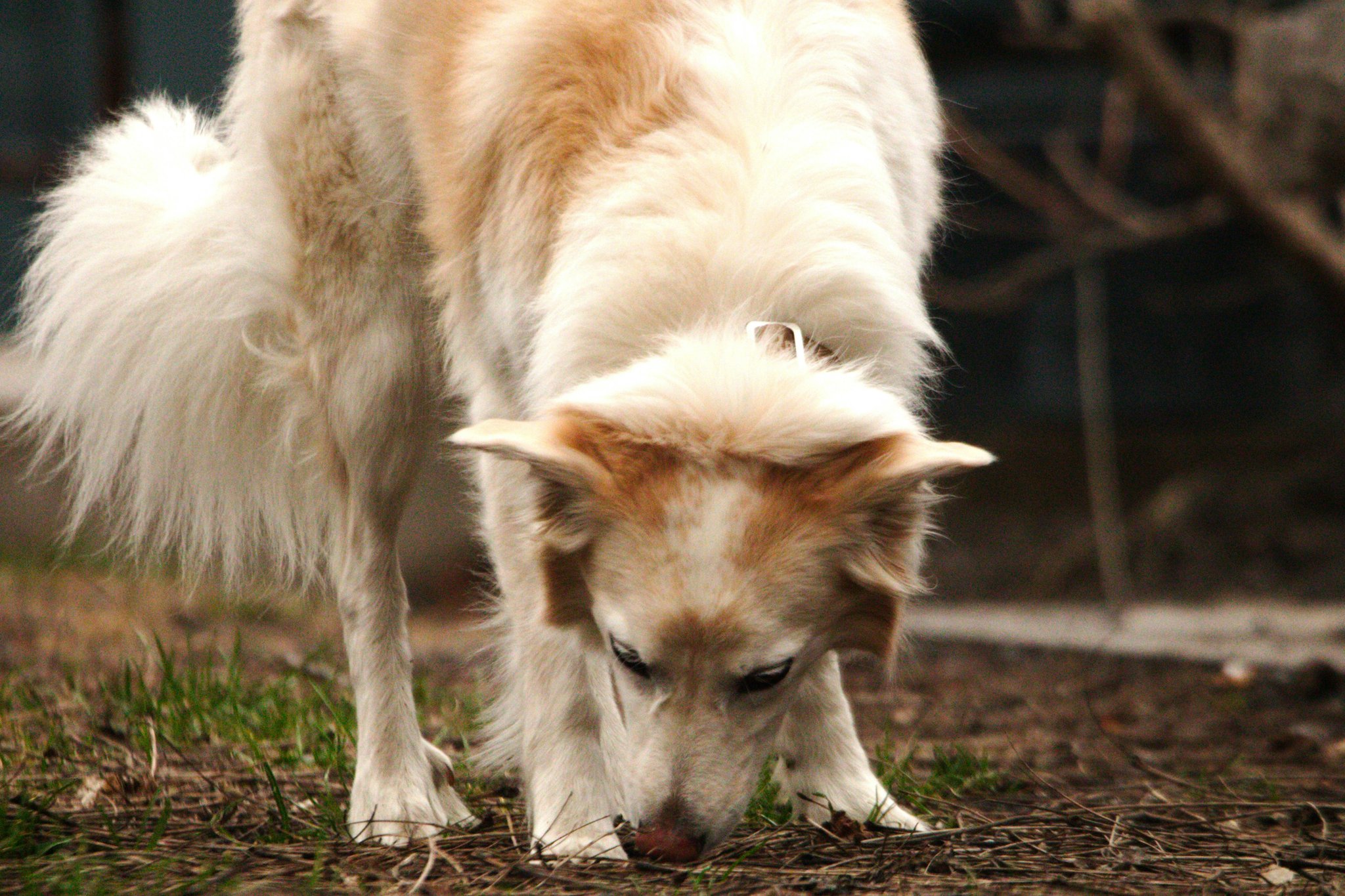
Take Max, a former stray adopted by Sarah after years on the streets. Using consistent scent alert techniques, Max now assists local firefighters by locating trapped victims during emergencies. His transformation proves that second chances + proper training = limitless potential.
Data Point: According to a study by [DogTrainingPro Institute], 87% of participating rescue dogs showed improved social skills following scent-based enrichment programs.
Frequently Asked Questions About Scent Alert Dog Training
How long does it take to train a rescue dog in scent alert tasks?
Expect anywhere from several weeks to months depending on prior experience and temperament.
Can any breed become proficient at scent work?
Absolutely! While some breeds excel due to genetics (think Bloodhounds), almost any pooch can succeed given appropriate conditions.
Should I hire a professional trainer?
Optional but beneficial. Certified handlers provide personalized strategies and avoid common pitfalls beginners face alone.
Conclusion
By embracing scent alert dog training, you give your rescue pup not just tricks, but tools for confidence and connection. Remember, every wagging tail deserves a chance to shine.
Cheesy Nostalgia Note: Like playing fetch under neon streetlights circa 2005, good training feels timeless.