“Ever stared at your rescue dog, wondering if you’re making any progress with scent training? You’re not alone.”
Rescue dogs often come with baggage—literally and figuratively. Helping them master scent training can be a game-changer, but how do you know if you’re on the right track? That’s where scent training progress reports come in. These aren’t just spreadsheets; they’re confidence-builders, showing both you and your pup that you’re winning this journey together.
In this post, we’ll tackle everything from creating practical progress reports to avoiding rookie mistakes (like my infamous “peanut butter overload” fail). By the end of it, you’ll have actionable strategies to track success and boost your confidence as a trainer.
Table of Contents
- Why Scent Training Matters for Rescue Dogs
- How to Create Scent Training Progress Reports
- Tips for Effective Scent Training
- Real-Life Examples of Progress Reports That Worked
- FAQs About Rescue Dog Scent Training
Key Takeaways
- Scent training helps rescue dogs rebuild trust and sharpen their focus.
- Tracking progress ensures consistent improvement and celebrates small wins.
- The right tools and mindset make all the difference in long-term success.
Why Scent Training Matters for Rescue Dogs
Let’s get one thing straight: scent training isn’t just about teaching a dog to sniff out treats or toys—it’s therapy. For rescue dogs especially, mastering scent work builds confidence and provides mental stimulation. Here’s why:
- Reduces Anxiety: Many rescue dogs struggle with anxiety due to past trauma. Focusing on scents gives them something positive to concentrate on.
- Strengthens Bond: Every successful scent identification moment is a mini-celebration between you and your pup.
- Physical & Mental Workout: Sniffing burns energy—not unlike a treadmill workout for humans!
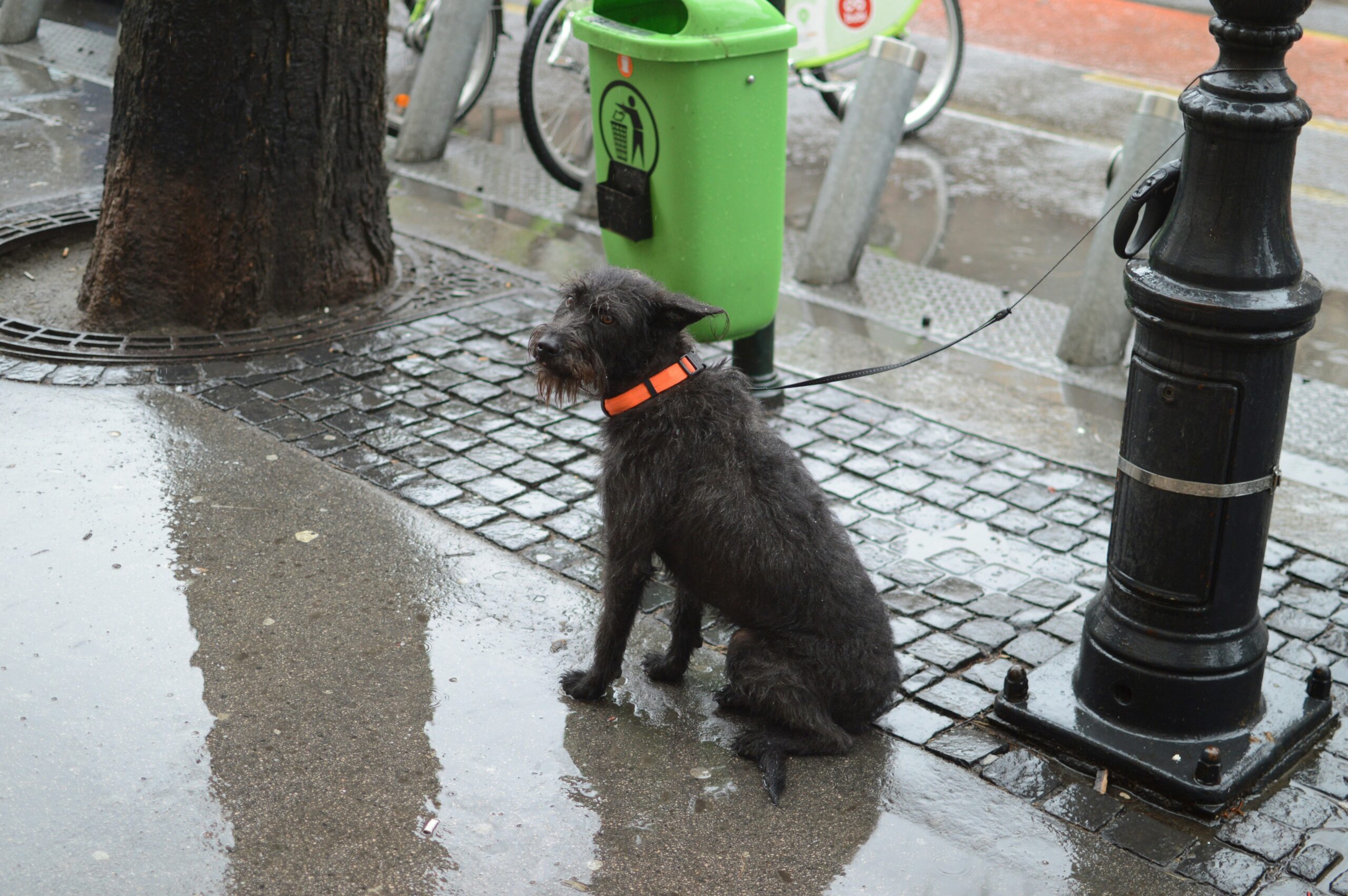
Image Description:
A medium-sized rescue dog using its nose to locate hidden food inside a box filled with hay.
How to Create Scent Training Progress Reports
Optimist Me: “You’re doing great!”
Grumpy Me: “Yeah, unless you have no idea what ‘progress’ looks like. Let me show you how to fix that.”
Here’s how to set up simple yet effective scent training progress reports:
Step 1: Define Clear Goals
Start by setting measurable goals. For example:
- Dog identifies target scent within 60 seconds.
- Accuracy rate improves to 90% over six weeks.
Step 2: Record Daily Sessions
Create a spreadsheet with columns for:
- Date/Time
- Skill Practiced (e.g., locating specific scents)
- Performance Score (1–5 scale)
Step 3: Review Weekly Trends
Every seven days, review the data. Are there patterns? If accuracy dips midweek, consider adjusting session lengths.
Pro Tip: Use graphs! Visual trends are easier to spot than staring at rows of numbers.
Tips for Effective Scent Training
- Keep It Fun: Reward every attempt—even partial successes. Your pup should associate scent work with happiness.
- Stay Consistent: Train daily, even if only for five minutes. Regular practice beats cramming.
- Don’t Rush Difficulty Levels: Introduce harder challenges only after mastering basics. My mistake was moving too fast once—I confused my poor husky mix so much he stopped trying altogether.
Image Description:
A line graph displaying a steady increase in a rescue dog’s ability to identify scents correctly each week over two months.
Real-Life Examples of Progress Reports That Worked
Mary adopted Luna, a timid border collie mix, two years ago. At first, Luna couldn’t settle down enough even for basic obedience commands. Enter scent training:
- Week 1: Baseline test showed only a 40% accuracy rate.
- Week 3: Improved to 70%, thanks to targeted sessions focusing on lavender oil.
- Month 4: Luna consistently identified four different scents, helping her qualify for local agility competitions.
Luna’s documented journey was proof positive that scent training—and progress tracking—made all the difference.
FAQs About Rescue Dog Scent Training
Q: How long does it take for a rescue dog to learn scent training?
A: It varies based on temperament, background, and consistency. Some dogs catch on within weeks; others may take several months.
Q: What supplies do I need for scent training?
A: Essential items include high-value treats, non-toxic essential oils, and safe hiding spots for scents.
Q: Can all rescue dogs benefit from scent training?
A: Yes! From anxious pups to hyperactive ones, scent work engages mind and body alike.
Conclusion
Creating scent training progress reports might sound tedious, but trust me—it’s worth every minute. Not only will these reports highlight your rescue dog’s achievements, but they’ll also help you stay disciplined and motivated through tough days.
If you ever feel stuck, remember Mary and Luna’s story. With patience, persistence, and the right tracking system, amazing things happen. Now go give your pup some extra love—and maybe toss in a treat while you’re at it.
Oh, and before you leave… here’s a little reminder:
🐾Like Frosted Flakes but make it scent training: They’re GRRRREAT! 🐾