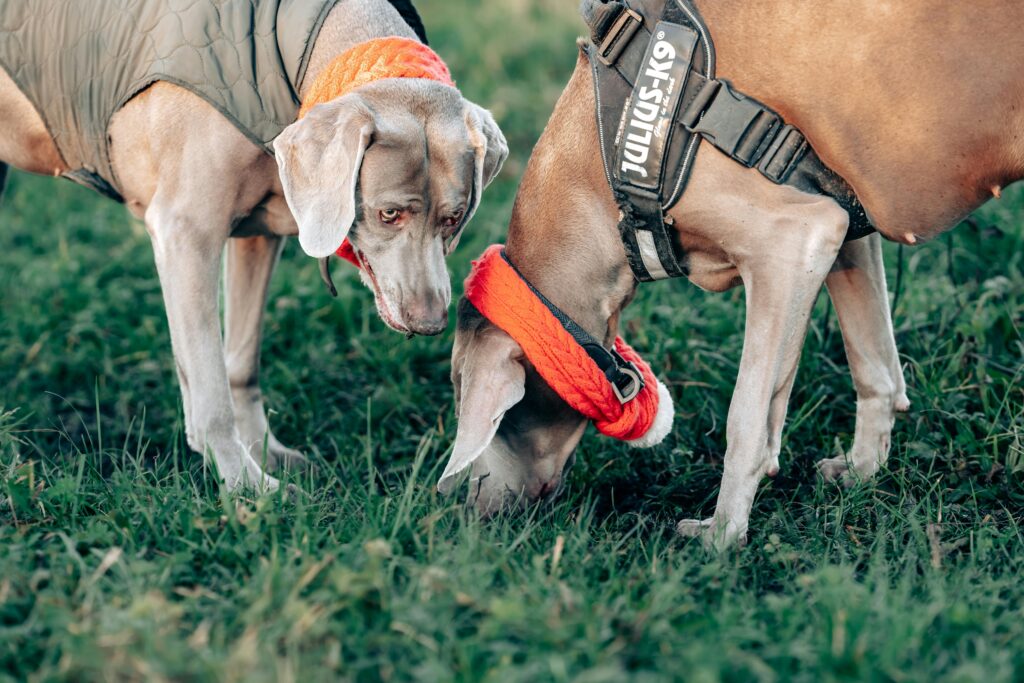
Ever adopted a rescue dog only to realize they have trust issues thicker than your winter coat? You’re not alone. Many rescue dogs come with emotional baggage, but here’s the good news: scent memory training can be a game-changer. Imagine transforming your pup’s anxiety-ridden sniffing into a confident stride through life.
In this guide, you’ll uncover what scent memory training is, why it’s perfect for rescue dogs, and how you can implement it step-by-step. Plus, bonus tips, real-life examples, and yes—a rant section where we call out some cringy pet training clichés.
Table of Contents
- Key Takeaways
- Why Scent Memory Training Works Wonders
- Step-by-Step Guide to Scent Memory Training
- Tips & Best Practices
- Real-Life Success Stories
- Frequently Asked Questions
Key Takeaways
- Scent memory training uses familiar smells to build trust in rescue dogs.
- It helps reduce anxiety and strengthens the bond between you and your dog.
- This method works because dogs rely heavily on their sense of smell—it’s practically their superpower!
- Be patient; progress may take time, especially with traumatized dogs.
Why Scent Memory Training Works Wonders
If you’ve ever wondered why Fido loses his mind over the smell of leftover pizza or your dirty socks, blame evolution. Dogs’ olfactory receptors outnumber ours by a factor so ridiculous scientists once said they could rival “a bloodhound Netflix subscription.”
For rescue dogs, however, scents aren’t just about food—they’re anchors to safety, comfort, and familiarity. When you leverage that, magic happens. For instance:
- Emotional Comfort: A blanket with your scent reminds them they’re safe.
- Behavior Modification: Redirect bad habits (like chewing shoes) using specific scents.
- Bond Building: Scent acts as a secret handshake between you two. 🤝
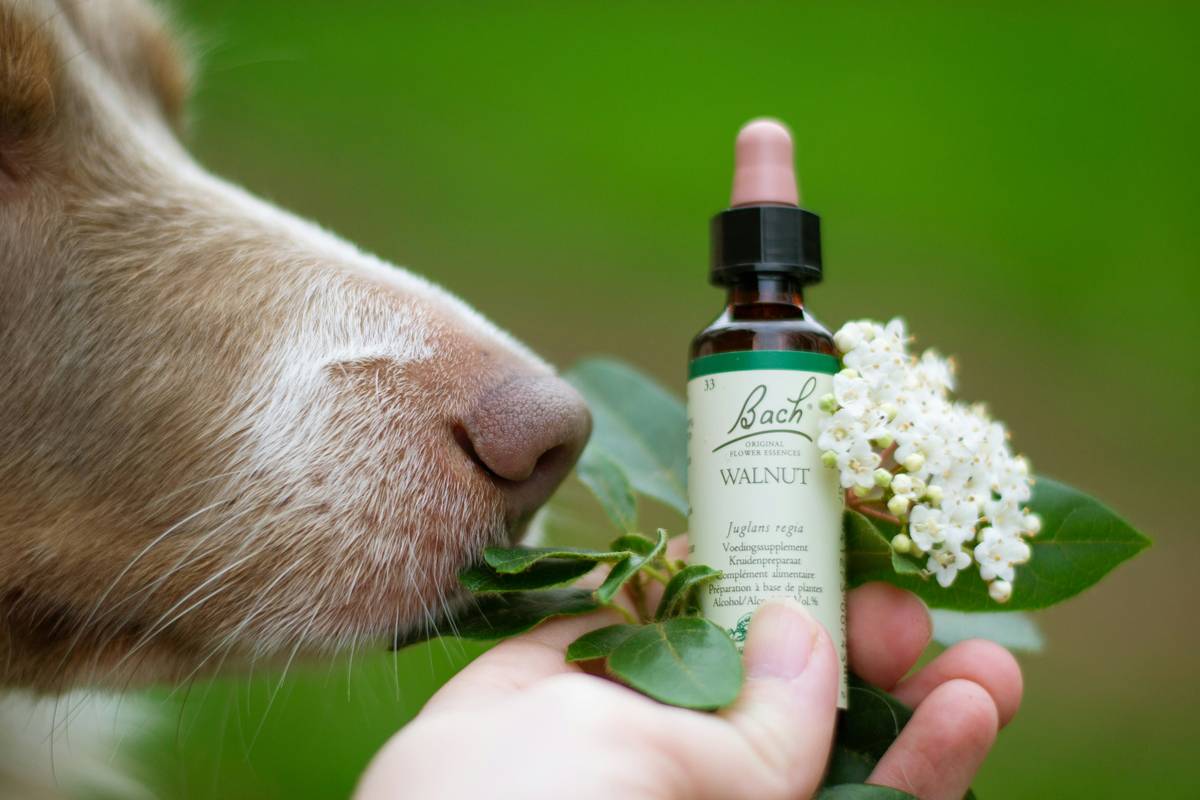
A rescue dog discovers comfort in an old sweater carrying its owner’s familiar scent.
Step-by-Step Guide to Scent Memory Training
1. Choose Familiar Items
Select objects already associated with positive emotions—your worn T-shirt, their favorite toy, or even bedding from their foster home. Avoid anything brand-new unless absolutely necessary.
2. Introduce the Scent Gradually
Place these items strategically around the house—in their crate, near their bed, or tucked under furniture. Let curiosity do the heavy lifting at first. “Optimist You” might think, ‘Perfect, I’ll sprinkle lavender oil everywhere!’ But grumpy me says, ‘Nah, stick to natural odors.’ Artificial scents are confusing—and sometimes alarming—for sensitive noses.
3. Reinforce Positive Associations
Reward calm behavior near the item with treats or praise. Keep sessions short (5–10 minutes max) so you don’t overwhelm them. Trust me, patience pays off more than forcing things.
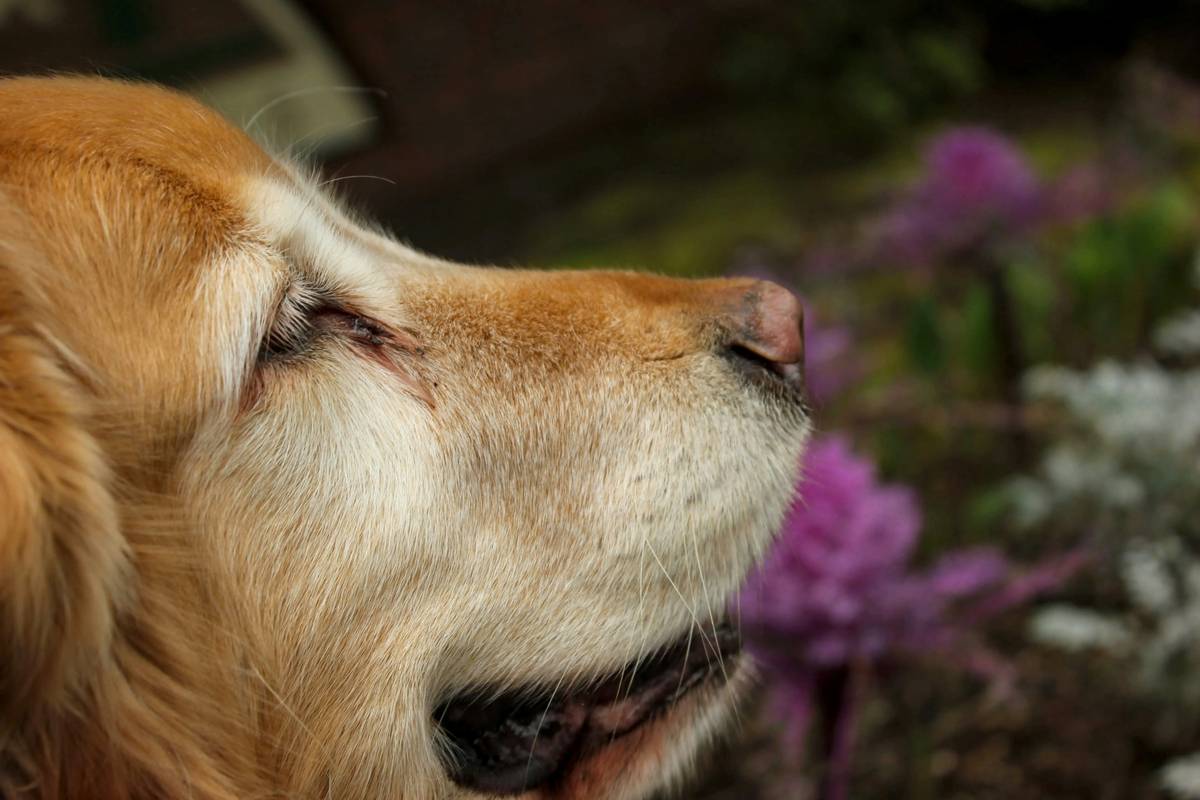
Treating a dog after identifying a comforting scent reinforces positive associations.
Tips & Best Practices
- Keep Scents Consistent: Changing scents frequently confuses dogs. Stick with one primary scent per phase of training.
- Involve All Family Members: Have everyone contribute items infused with their unique smell. This builds pack cohesion.
- Avoid Negative Associations: Never use harsh chemicals on training items. That defeats the purpose entirely.
- (Don’t Do This!) Use Essential Oils Directly: Some trainers swear by oils, but most essential oils are toxic for dogs. Leave aromatherapy to humans.
Real-Life Success Stories
Meet Bella, a German Shepherd mix who cowered every time someone approached her. After months of traditional obedience classes showing zero improvement, her adopter tried scent memory training. She started placing clothing with her scent around the house and rewarding calm exploration. Within weeks, Bella began seeking her out during storms, finding solace in her presence.

Bella enjoying playtime after mastering scent memory techniques.
Frequently Asked Questions
Is scent memory training suitable for all breeds?
Yes! While certain breeds like Bloodhounds excel naturally, any breed benefits from tapping into their olfactory prowess.
How long does scent memory training take?
Every dog is different. Some show results within days; others need weeks. Don’t rush it.
What if my dog ignores the scented items?
Gently reintroduce the items in less stressful environments. Persistence—not punishment—is key.
Conclusion
Scent memory training isn’t rocket science, but it sure feels like wizardry when done right. By leveraging your rescue dog’s powerful nose, you create a foundation of trust and security. Remember, consistency and patience win the day.
“Like chasing squirrels, progress takes focus, determination, and maybe a little snack along the way.”