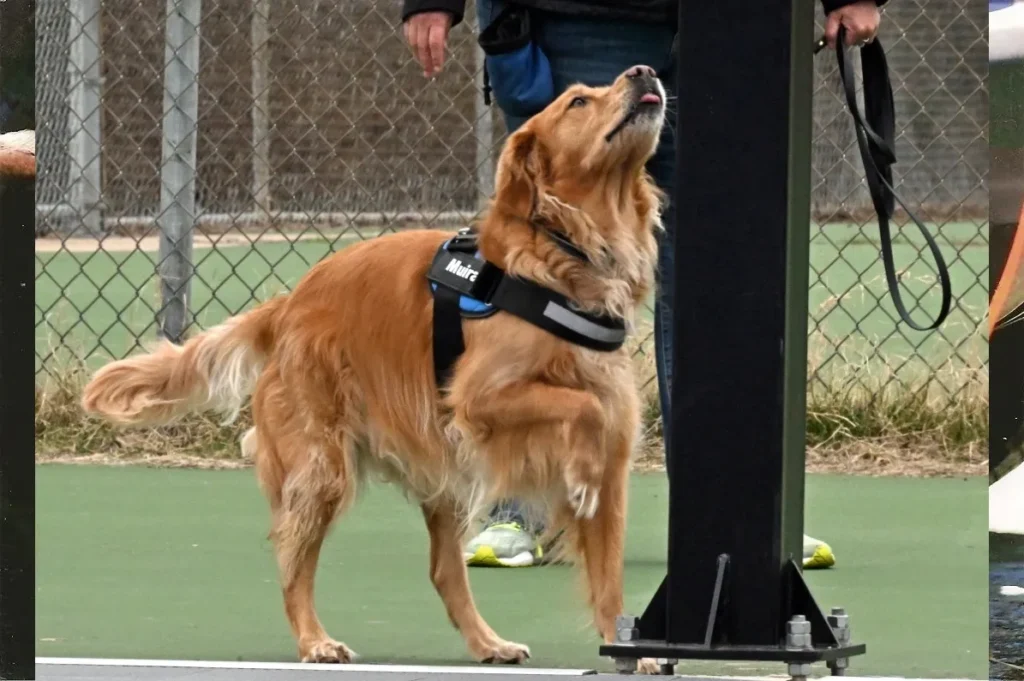
Ever stared into your rescue dog’s eyes and wondered, “What secrets are you hiding?” Turns out, their nose holds the answers—and we’re about to tap into that superpower. Welcome to the scent guide method, a revolutionary way to train even the most stubborn rescue pups.
Table of Contents
- Introduction
- Key Takeaways
- Why Rescue Dogs Need Specialized Training
- Step-by-Step Guide to Using the Scent Guide Method
- 3 Best Practices for Scent-Based Training
- Real-Life Success Stories with the Scent Guide Method
- FAQs About Rescue Dog Training & the Scent Guide Method
- Conclusion
Key Takeaways
- The scent guide method uses a dog’s natural olfactory strengths to build trust and obedience.
- This technique helps rescue dogs overcome anxiety and trauma by focusing on positive reinforcement.
- You’ll need patience, consistency, and some creative thinking—but it’s worth every wagging tail!
Introduction
Training a rescue dog can feel like solving a Rubik’s Cube blindfolded. My first attempt? Let’s just say my pup spent more time ignoring me than responding. Until I stumbled upon the scent guide method. Picture this: instead of yelling commands, you let your dog’s nose lead the way. It works because scent is second nature (pun intended!) to dogs. Ready to dive in? We’ll explore why this method works, how to implement it step-by-step, and share tips guaranteed to make training sessions smoother than peanut butter.
Why Rescue Dogs Need Specialized Training
Rescue dogs come with baggage—sometimes literal bags stuffed under coffee tables—but often emotional scars too. These furry friends may have faced neglect, abandonment, or worse before landing in your loving home. Traditional training techniques often fall flat because they don’t address underlying trust issues. That’s where the scent guide method shines.
“Optimist You: This will be easy!”
Grumpy You: LOL, good luck when Spot decides sniffing tree bark is more interesting.”
Step-by-Step Guide to Using the Scent Guide Method
Choose the Right Scent
Select a scent that excites your dog without overwhelming them. Peanut butter, dried liver treats, or lavender oil work wonders.
Introduce the Scent in a Fun Way
Start small. Hide the scented item nearby while giving verbal cues like “Find it!” Reward heavily once they locate it. Positive associations = happy pup.
Increase Difficulty Over Time
Gradually move the scent farther away or hide multiple items. The goal? Boost confidence through incremental challenges.
3 Best Practices for Scent-Based Training
- Keep Sessions Short: Less is more; aim for 5–10 minutes max.
- Stay Calm: Your energy impacts your dog. If you’re stressed, guess what—they’ll pick up on it.
- Use High-Value Rewards: No plain kibble here! Treats should scream, “You’re amazing!”
Real-Life Success Stories with the Scent Guide Method
Take Max, a three-year-old lab mix who refused to walk on a leash after escaping an abusive owner. His adoptive mom tried everything until she discovered the scent guide method. By sprinkling crushed tuna flakes along their path, Max transformed from hesitant to enthusiastic walker within weeks.
FAQs About Rescue Dog Training & the Scent Guide Method
Is the scent guide method suitable for all rescue dogs?
Absolutely! While results vary based on individual temperament, every dog benefits from engaging their sense of smell.
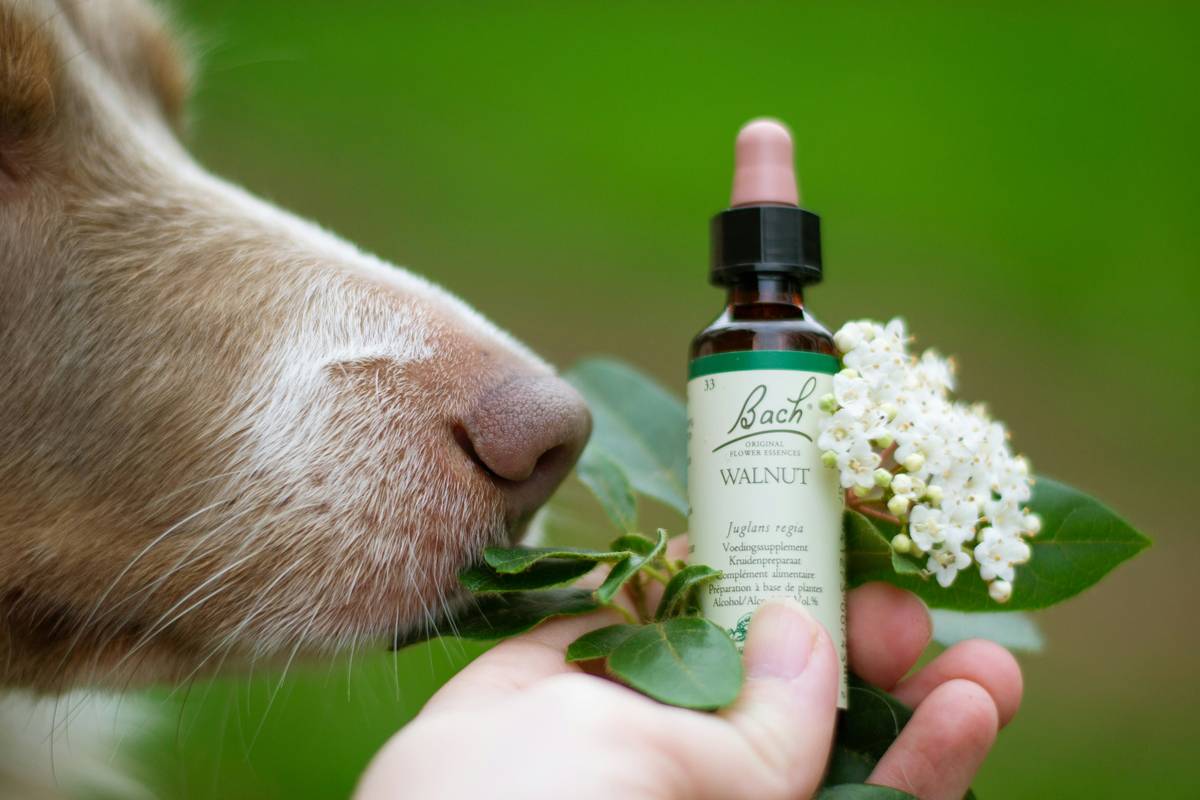
Can I use essential oils as part of this method?
Yes, but ensure they’re pet-safe. Lavender and chamomile are excellent choices.
Conclusion
So there you have it—the scent guide method isn’t just another trendy buzzword. It’s a scientifically-backed strategy tailored specifically for our beloved rescue furballs. Whether you’re dealing with behavioral quirks or simply want to strengthen your bond, trust me—this approach delivers. So grab those smelly snacks, channel your inner canine detective, and watch the magic unfold.
And remember…
Sniff, find, reward—repeat.
Bond grows stronger each beat.
Tail wags tell success.