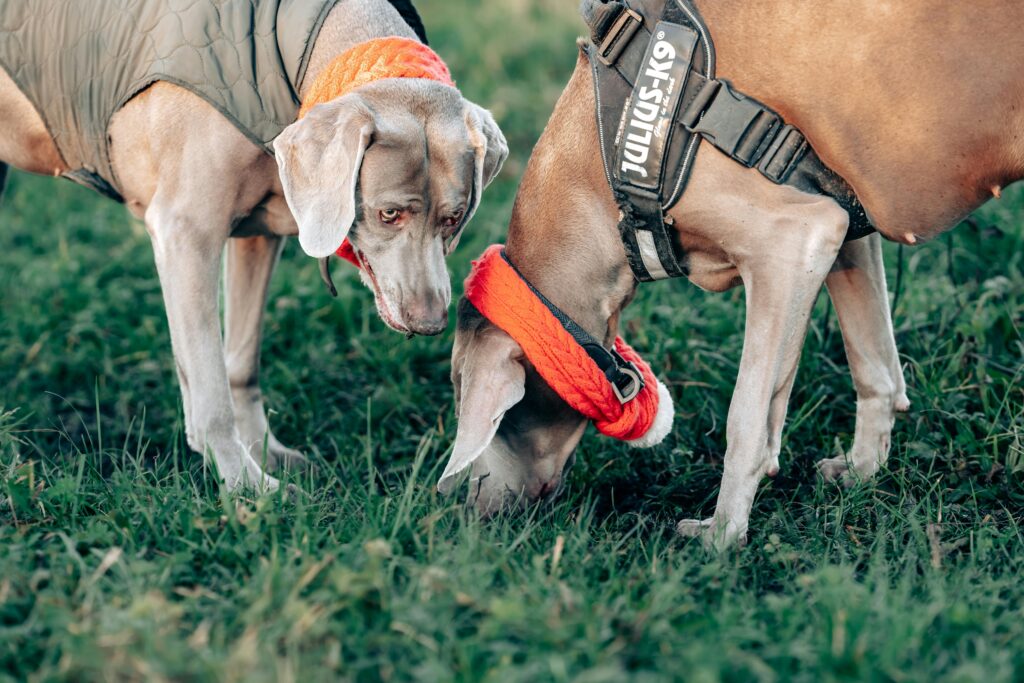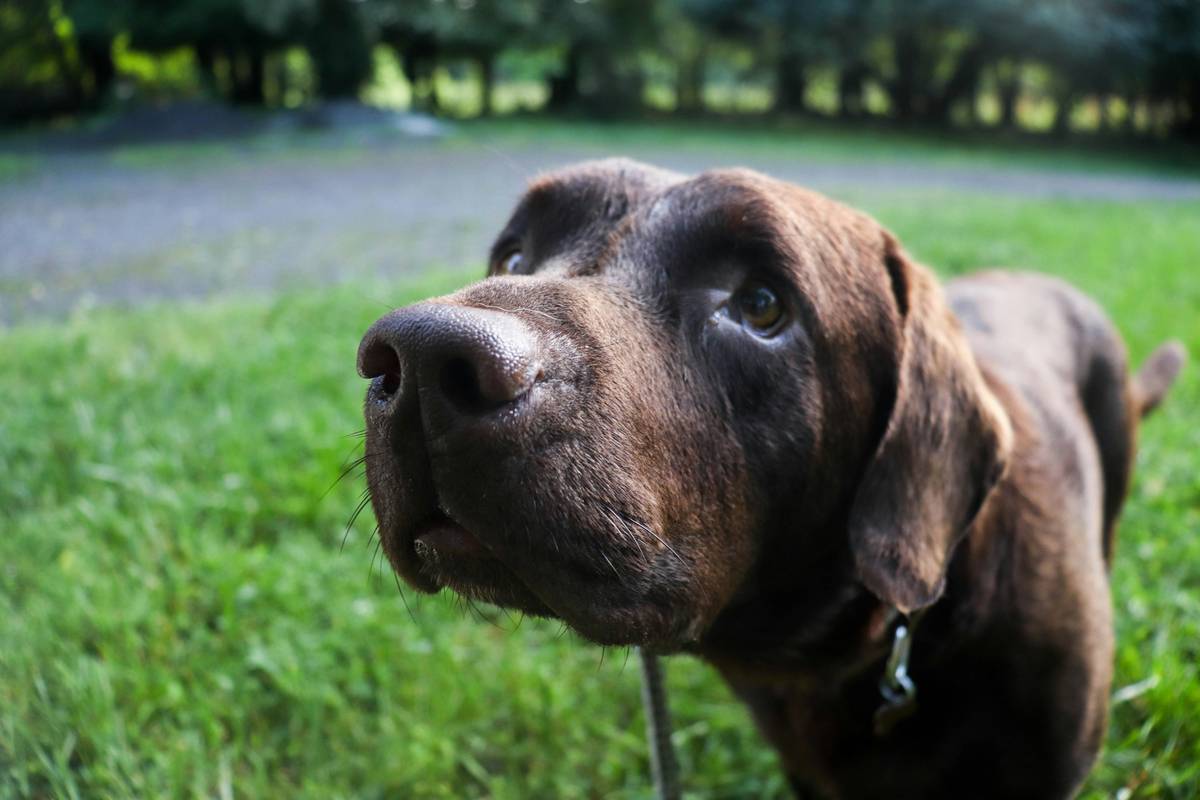
Ever brought home a rescue dog, only to realize they’re terrified of everything—including their own food? Yeah, us too. Turns out, scent recognition in dogs isn’t just some fancy trick—it’s a survival tool and a gateway to building trust with your new furry friend.
In this post, we’re diving deep into scent recognition in dogs, specifically tailored for rescue dog training. You’ll learn why it matters, how to train using scents, tips to avoid common mistakes, and real success stories from other rescue dog parents. Stick around—this one smells amazing (pun intended).
Table of Contents
- Why Scent Recognition Matters
- How to Train Your Rescue Dog with Scents
- Top Tips for Successful Scent Training
- Real-Life Examples
- FAQs About Scent Recognition in Rescue Dogs
Key Takeaways
- Scent recognition is an innate ability in dogs that helps them feel secure and connected.
- Training with scents can reduce anxiety and enhance bonding with rescue dogs.
- Avoid overwhelming your pup by introducing smells gradually.
- Use positive reinforcement techniques consistently for best results.
- Patient persistence is key—don’t rush the process!
Why Scent Recognition Matters
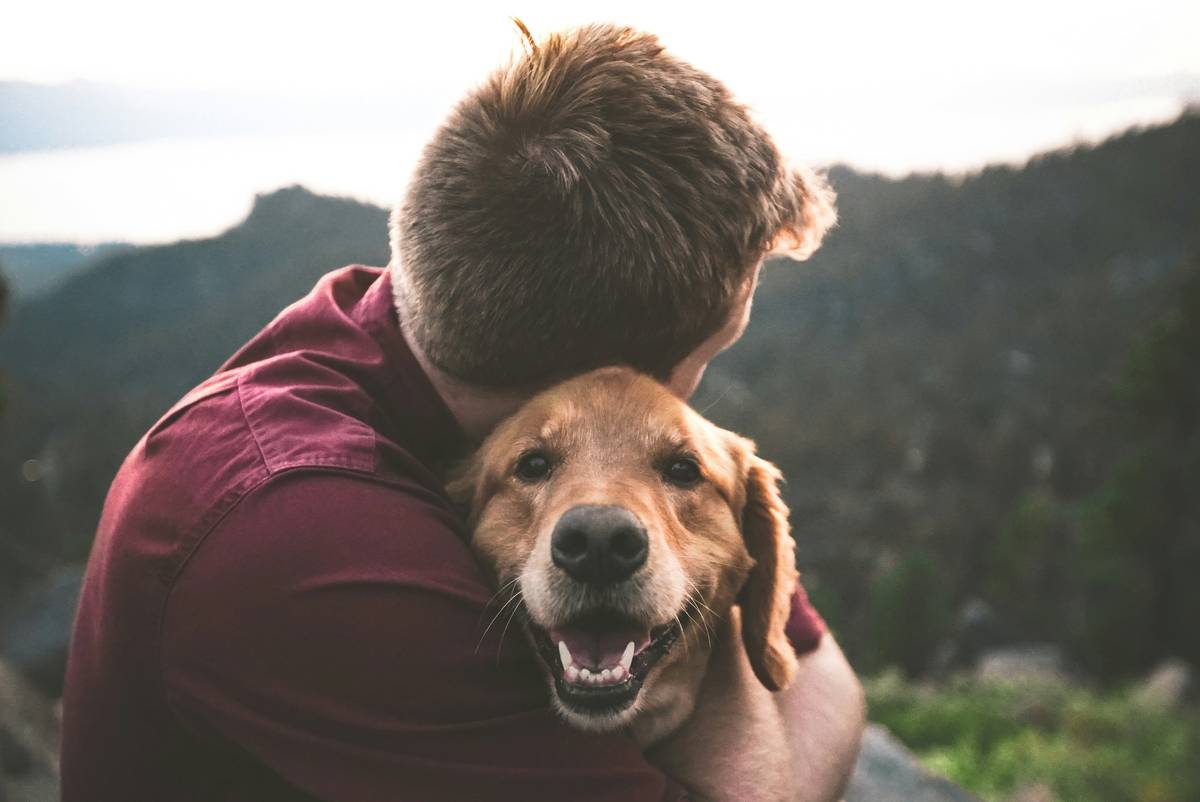
Dogs use their noses like humans use Google Maps—they explore the world through smell. For rescue dogs who may have experienced trauma or neglect, recognizing certain scents can provide comfort and familiarity. Think about it:
“Optimist You: ‘Wow, my rescue dog knows when I’m near because she recognizes my scent!’
Grumpy You: ‘Ugh, but first you’ll need patience. Lots of it.’”
Dogs’ olfactory system has up to 300 million receptors, compared to our paltry 5–6 million. This means their sense of smell is literally off the charts. So, if you want to build trust quickly, leverage that superpower during training sessions.
How to Train Your Rescue Dog with Scents
Step 1: Introduce Familiar Smells
Start small. Use items like clothing, blankets, or toys that already carry your scent. Let your dog sniff these objects without forcing interaction.
Pro Tip: Don’t shove your smelly sock under their nose (yes, we’ve seen people do this)—let curiosity lead the way.
Step 2: Associate Scents with Positive Experiences
Pair familiar scents with treats, praise, or playtime. For example, sprinkle kibble near your worn T-shirt so your dog associates your smell with yummy rewards.
Side Note: Avoid using old gym socks as part of this step unless you actually *want* confused looks from guests.
Step 3: Progress to Unfamiliar Scents
Once your dog feels comfortable with familiar odors, introduce new ones. These could include essential oils diluted on cotton balls or outdoor scents like grass clippings.
Top Tips for Successful Scent Training
- Be Patient: It might take weeks before your dog fully understands what you’re asking of them.
- Consistency is Key: Repeat exercises daily at the same time to create routine.
- Don’t Overwhelm: Too many new scents at once can stress your dog out.
- Terrific Tip Disclaimer: Giving your dog raw onions “just to see what happens” is a terrible idea—and potentially dangerous.
Real-Life Examples
Jane adopted Max, a shy pitbull mix, after months of searching shelters. Initially, Max would cower whenever Jane approached him. She started scent training by leaving her scarf in his crate overnight. Within days, Max started relaxing more and even wagged his tail upon seeing Jane.
Another story involves Tom, whose Beagle, Luna, had separation anxiety. He used lavender oil dabbed onto toys paired with short departures. Gradually extending absence times while reinforcing calming scents worked wonders. Today, Luna naps peacefully instead of barking nonstop.
FAQs About Scent Recognition in Rescue Dogs
Q1: Can all dogs benefit from scent recognition training?
Absolutely! While especially helpful for rescues, any breed can enjoy mental stimulation and strengthened bonds via scent work.
Q2: How long does scent training typically take?
This depends on the individual dog, but expect anywhere from several weeks to a few months.
Q3: Are there risks involved in scent training?
No major risks exist, but always supervise interactions closely to ensure safety.
Conclusion
We’ve covered everything from why scent recognition in dogs rocks for rescue pups to actionable steps, pro tips, and inspiring tales. Remember, every journey begins with a single sniff.
Rant Break: If anyone tells you adopting a rescue dog is easy-peasy-lemon-squeezy, show them the door. It takes grit, love, and plenty of coffee.
Last thing—a haiku for ya:
Sniffing leads to peace,
Rescue pups find solace here,
Love grows stronger.