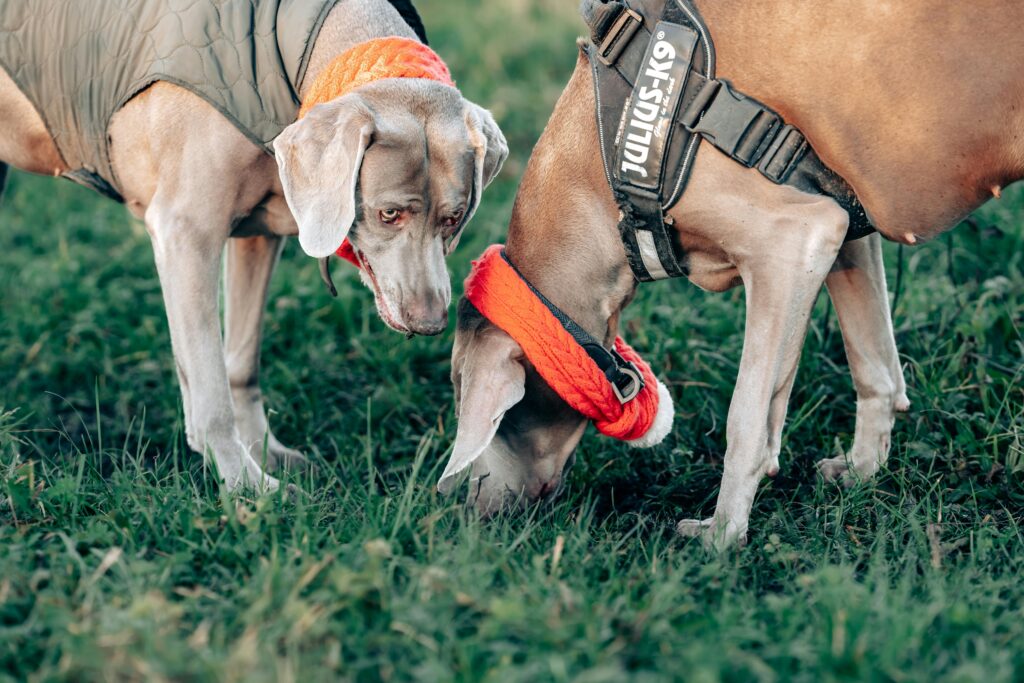
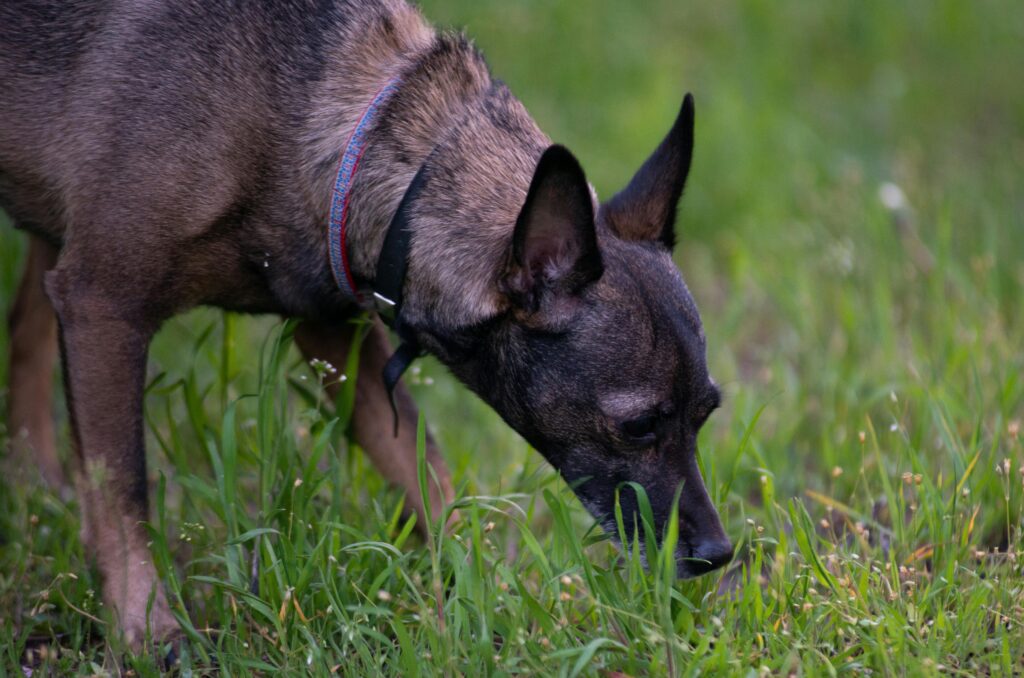
Have you ever felt like your rescue dog just doesn’t “get” you? You’re not alone. Many new pet parents struggle with bonding and training their newly adopted furry friends, especially when it comes to teaching commands or reinforcing trust. But what if we told you there’s a scientifically-backed method that taps into your dog’s natural instincts while building an unbreakable connection? Welcome to the world of scent recognition drills.
In this guide, we’ll take you through why scent recognition matters, how to implement these drills step-by-step, common mistakes (hello, burnt cookies left on the counter), and real-life success stories. By the end, you’ll have all the tools—and maybe even some laughs—to turn your pup into your ultimate partner-in-crime. Ready? Let’s sniff out some answers!
Table of Contents
- Why Scent Recognition Matters for Rescue Dogs
- Step-by-Step Guide to Scent Recognition Drills
- Best Practices for Mastering Scent Work
- Real-Life Success Stories
- FAQs About Scent Recognition Drills
Key Takeaways
- Scent recognition leverages a dog’s strongest sense to build confidence and focus.
- These drills can help rescue dogs overcome anxiety and fear by creating positive associations.
- Patience and consistency are key—training isn’t magic; it’s muscle memory!
- Avoid overloading your pup during sessions; keep things short, fun, and rewarding.
Why Scent Recognition Matters for Rescue Dogs
Dogs’ noses are basically superpowers. They possess up to 300 million olfactory receptors, compared to our measly six million. For rescue dogs, who often come from backgrounds filled with trauma or neglect, leveraging their natural talents provides a pathway to healing. Unlike humans who rely heavily on vision, dogs experience life through smell first. Ignoring this fact is like trying to write an email without Wi-Fi—it just won’t work.
I once made the rookie mistake of ignoring my own dog’s sniffer tendencies. Picture this: hours spent yelling “sit” instead of simply letting him follow his nose in controlled scenarios. Spoiler alert: He hated every second of it. Once I switched gears to scent-based activities, his tail wagged so hard it practically powered the house. Lesson learned!
How to Start Scent Recognition Drills With Your Rescue Dog

What Do You Need Before Starting?
- Treats: Small, smelly rewards like bits of cheese or chicken.
- Essential Oils or Cloth Samples: Use distinct scents like lavender or mint.
- Patience: Because coffee-fueled mornings only go so far.
Step 1: Introduce the Scent
Show your dog the target scent openly. Place it under their nose and let them investigate. Say something like “Find it!” as they sniff. Reward immediately after acknowledgment.
Step 2: Hide the Scent
Start small. Hide the scent nearby—under a cup or behind a chair. Encourage your dog to search while repeating your cue word. Celebrate wildly when they succeed.
Step 3: Increase Difficulty
Gradually make hiding spots trickier. Move outdoors, increase distances, or add distractions. Keep sessions playful to avoid overwhelming your furry friend.
Pro Tips for Nailing Scent Recognition Drills
- Keep Sessions Short: 5–10 minutes max per session. Dogs tire easily, both physically and mentally.
- Reward Generously: Food motivates, but playtime works wonders too.
- Avoid Overwhelm: Too many variables will confuse your dog faster than you can say “treat.”
- Stick to Positivity: Punishment kills progress. Focus on encouragement and praise.
Real-Life Success Stories
Meet Max, a former stray with serious separation anxiety. His owner, Sarah, tried everything from expensive trainers to calming supplements—but nothing clicked until she introduced scent recognition drills. Within weeks, Max transformed into a confident pooch who could locate hidden toys across the backyard. And guess what? That anxiety faded faster than last week’s TikTok trend.
Stories like Max’s aren’t uncommon. Another pup named Luna went from fearful cowering to winning local scent detection competitions within months. Proof positive that scent drills aren’t just tricks—they’re transformative.
Brutal Honesty Time
Look, I know everyone says “consistency is key,” but man, sometimes that advice feels utterly useless. Life happens, okay? Between work deadlines and spilled coffee (ugh, again?), sticking to routines can feel impossible. Here’s the deal: Even one failed day doesn’t mean disaster. It’s better to show up inconsistently than give up entirely. Trust me—I speak from experience. My dog still loves me despite the occasional missed drill.
Frequently Asked Questions
1. Can any breed do scent recognition drills?
Absolutely! All dogs benefit from engaging their noses, regardless of size or breed.
2. How long does it take to see results?
Each dog progresses differently, but most owners notice improvement within a few weeks.
3. Is this suitable for older rescue dogs?
Yes! Older dogs may take slightly longer due to reduced mobility, but they’re fully capable.
4. What if my dog loses interest?
Vary the setup. Introduce new scents, locations, or games to keep things exciting.
Final Thoughts
Scent recognition drills aren’t just another training gimmick—they’re game-changers. Whether you’re fostering trust, alleviating anxiety, or simply having fun together, unlocking your rescue dog’s inner detective will strengthen your bond forever.
So grab those treats, pick a scent, and get ready to watch your pup blossom. Oh, and remember: Progress might be messy, slow, or downright hilarious—but it’s always worth it. After all, life’s better with a slobbery sidekick by your side.
Like peanut butter meets jelly,
Your pup’s joy finds remedy.
In scents, they truly thrive.