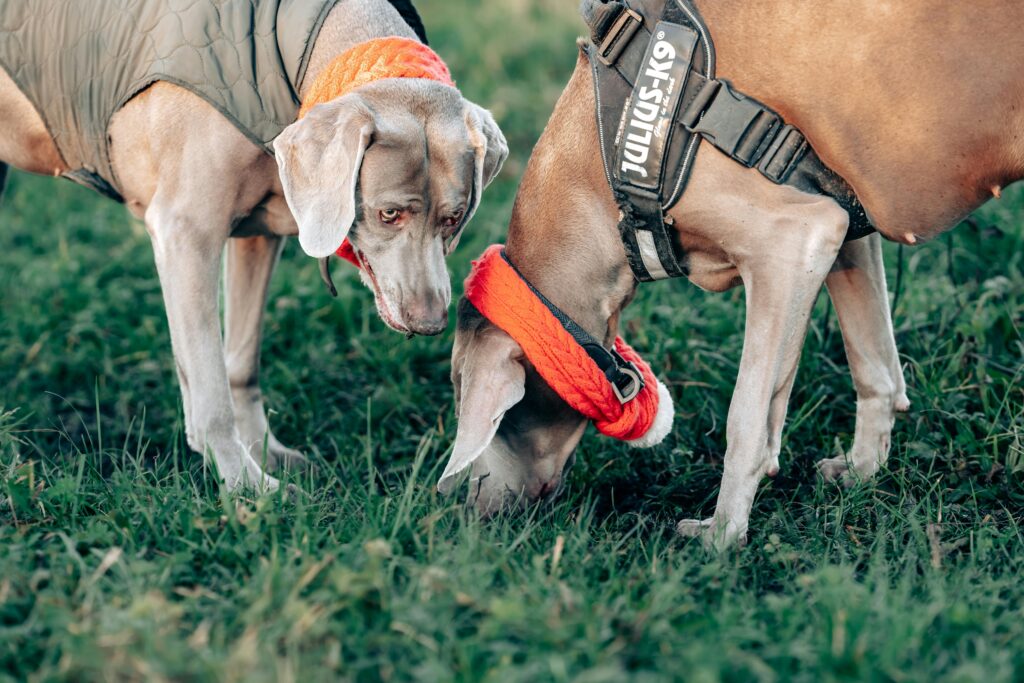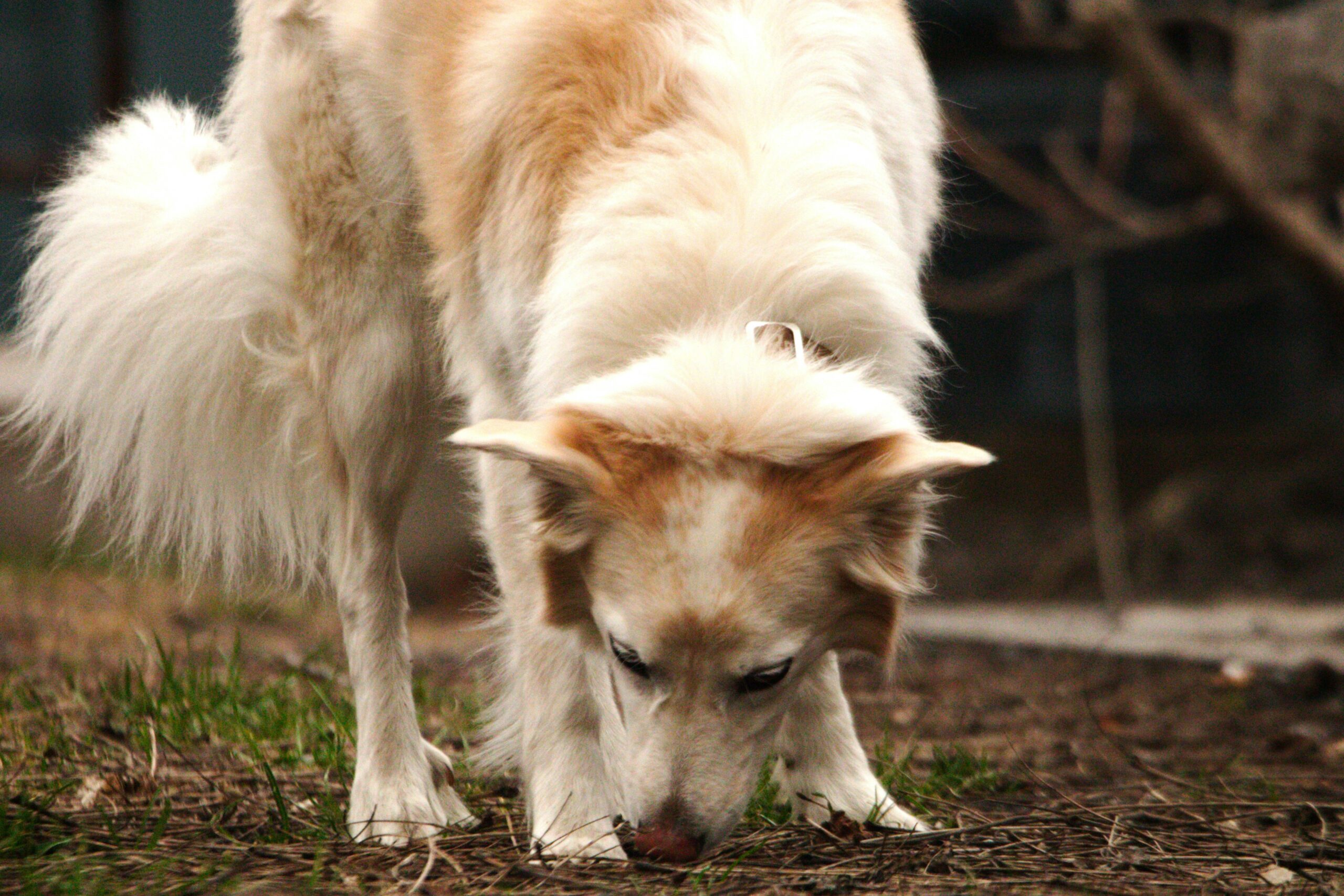
Ever wondered why your rescue dog struggles to focus during training? Spoiler alert: scent plays a bigger role than you think! Whether you’re teaching basic commands or specialized skills like target odor detection, understanding how dogs process scents can transform their learning—and your bond. In this guide, we’ll dive into what makes target odor detection so powerful for rescue dogs and give you the tools to succeed.
Table of Contents
- Introduction: Why Target Odor Detection Matters
- The Challenges of Training Rescue Dogs
- Step-by-Step Guide to Teaching Target Odor Detection
- Best Practices to Maximize Success
- Real-Life Examples of Dogs Who Nailed It
- Frequently Asked Questions About Rescue Dog Training
- Conclusion & Next Steps
Key Takeaways
- Target odor detection leverages a rescue dog’s natural scent-driven instincts.
- Positive reinforcement is key—never punish mistakes.
- Start small with simple tasks before progressing to complex odors.
- Patience and consistency are non-negotiable.
Introduction: Why Target Odor Detection Matters
When I first adopted my rescue pup, Luna, I had no idea that her nose was practically a superpower. That is, until one day she led me straight to a snack wrapper I didn’t even know existed under the couch. That moment sparked something in me—a realization that scent work could unlock untapped potential in our relationship.
Target odor detection isn’t just about finding hidden treats; it’s about engaging your rescue dog’s brain while building trust and confidence. Studies show that mental stimulation through scent-based activities reduces anxiety in shelter dogs by up to 50%. Ready to turn your furry friend into a sniffing superhero?
The Challenges of Training Rescue Dogs
Here’s the cold truth: rescue dogs often come with baggage. Abuse, neglect, or abandonment leaves emotional scars that make training tricky. Add to that their unique personalities (because every dog really *is* an individual), and you’ve got yourself quite the puzzle.
Confessional Fail: When I tried teaching Luna sit-stay without addressing her anxiety, let’s just say dinner ended up all over the floor instead of on my plate. #Fail.
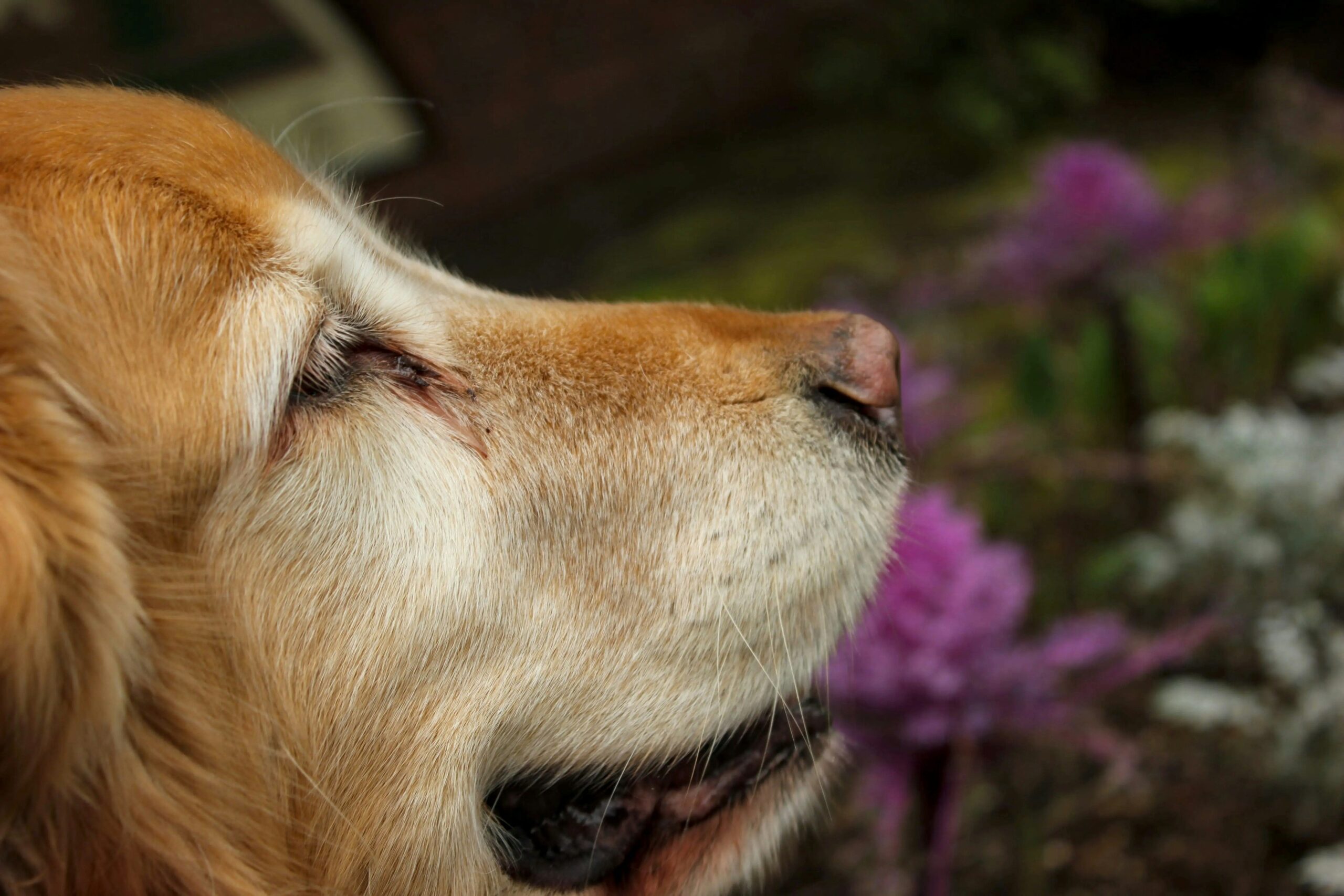
But here’s where things get interesting: target odor detection bypasses traditional obedience hurdles. Instead of forcing behavior, it invites participation through play and exploration. This approach aligns perfectly with the needs of sensitive souls like Luna.
Step-by-Step Guide to Teaching Target Odor Detection
Step 1: Start with a Paired Scent
Begin with a single scent paired with food rewards. For beginners, vanilla extract works wonders because it’s distinct but not overwhelming. Dab a tiny bit on a cotton swab and reward your dog each time they investigate.
Optimist You: “They’ll catch on quickly!”
Grumpy You: “Yeah, if you have infinite patience…”
Step 2: Build Association Through Repetition
Create short sessions (5-10 minutes max) multiple times per day. Gradually increase difficulty by hiding the scented item behind furniture or inside containers. Always follow a find with a treat or praise.
Step 3: Increase Challenges Slowly
Once they’ve mastered locating the scent indoors, take them outside. Distractions will test their focus—but don’t worry, persistence pays off!
Best Practices to Maximize Success
- Keep Sessions Short and Fun: Overtraining leads to frustration.
- Avoid Negative Reinforcement: If they miss the mark, simply reset without punishment.
- Track Progress with a Notebook: Document which scents they excel at and areas needing improvement.
Real-Life Examples of Dogs Who Nailed It
Rex’s Story: Rescued from a hoarding situation, Rex was aggressive toward strangers. Enter target odor detection. Within three months, his handler reported less reactivity around unfamiliar people, thanks to the calming effects of scent work.
Ladybug’s Transformation: A shy pup who wouldn’t leave her crate, Ladybug flourished once introduced to search-and-find games using lavender oil. Her newfound confidence spilled over into other aspects of her life, including walking on a leash.

Frequently Asked Questions About Rescue Dog Training
Q: Is target odor detection too hard for my rescue dog?
Nope! Most dogs, regardless of age or background, thrive when given scent-based tasks tailored to their abilities.
Q: What if my dog gets confused or distracted?
It happens! Reduce environmental stimuli during early stages and revisit foundational steps as needed.
Q: How long does it take to master target odor detection?
Every dog progresses differently. Some may reach proficiency within weeks; others need months. Stay consistent!
Conclusion & Next Steps
Training your rescue dog in target odor detection might feel daunting at first—but trust the process. Remember, these pups are survivors, capable of far more than they realize—and so are you.
Recapping our journey today:
- Understand the science behind scent work.
- Use positive reinforcement consistently.
- Gradually scale challenges to maintain engagement.
Bonus Haiku:
Nose knows best always,
Hidden treasures lie ahead,
Trust the sniffing path.