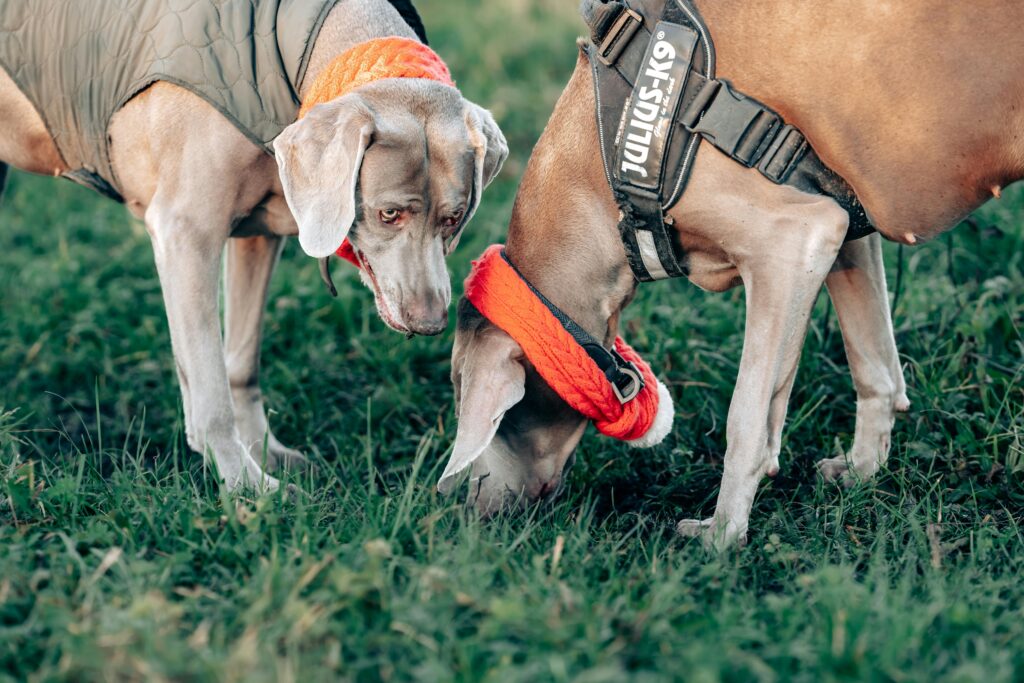
Ever adopted a rescue dog only to realize they’re glued to your side, sniffing you like you’re their personal Wikipedia? Turns out, that nose is more than just adorable—it’s a superpower. Harnessing this skill isn’t as hard as it sounds if you know how to leverage human scent detection in training. And no, we’re not about to tell you to douse yourself in lavender oil and hope for the best.
In this post, we’ll uncover what human scent detection means, why it matters for rescue dogs, and step-by-step methods to make it work. By the end, you’ll discover how to turn sniff sessions into bonding exercises that deepen trust and build confidence—without losing your sanity (or dignity).
Table of Contents
- Key Takeaways
- Why Rescue Dogs Love Sniffing Us
- Step-by-Step Guide to Teaching Scent Detection
- 5 Best Practices for Success
- Real Stories: From Fearful Strays to Scent Detectives
- Frequently Asked Questions About Human Scent Training
Key Takeaways
- Human scent detection taps into a rescue dog’s natural instincts, boosting confidence while building trust.
- Training involves patience, consistency, and rewards—not complicated tools.
- Not all dogs will excel at advanced tasks, but every pup benefits from the basics.
Why Rescue Dogs Love Sniffing Us (And Why It’s Important)
Let’s get real: Rescuing a dog often feels like welcoming home an overexcited roommate who KNOWS everything about you—including where your snacks are hidden. That’s because their sense of smell is roughly 10,000 times stronger than ours. For them, your unique aroma is the ultimate comfort blanket.
Here’s the kicker—I once thought I could sneak extra cheese off my plate without my foster dog noticing. Spoiler alert: She didn’t care about the food; she cared that I tried to hide it. Lesson learned: These pups pick up on EVERYTHING.
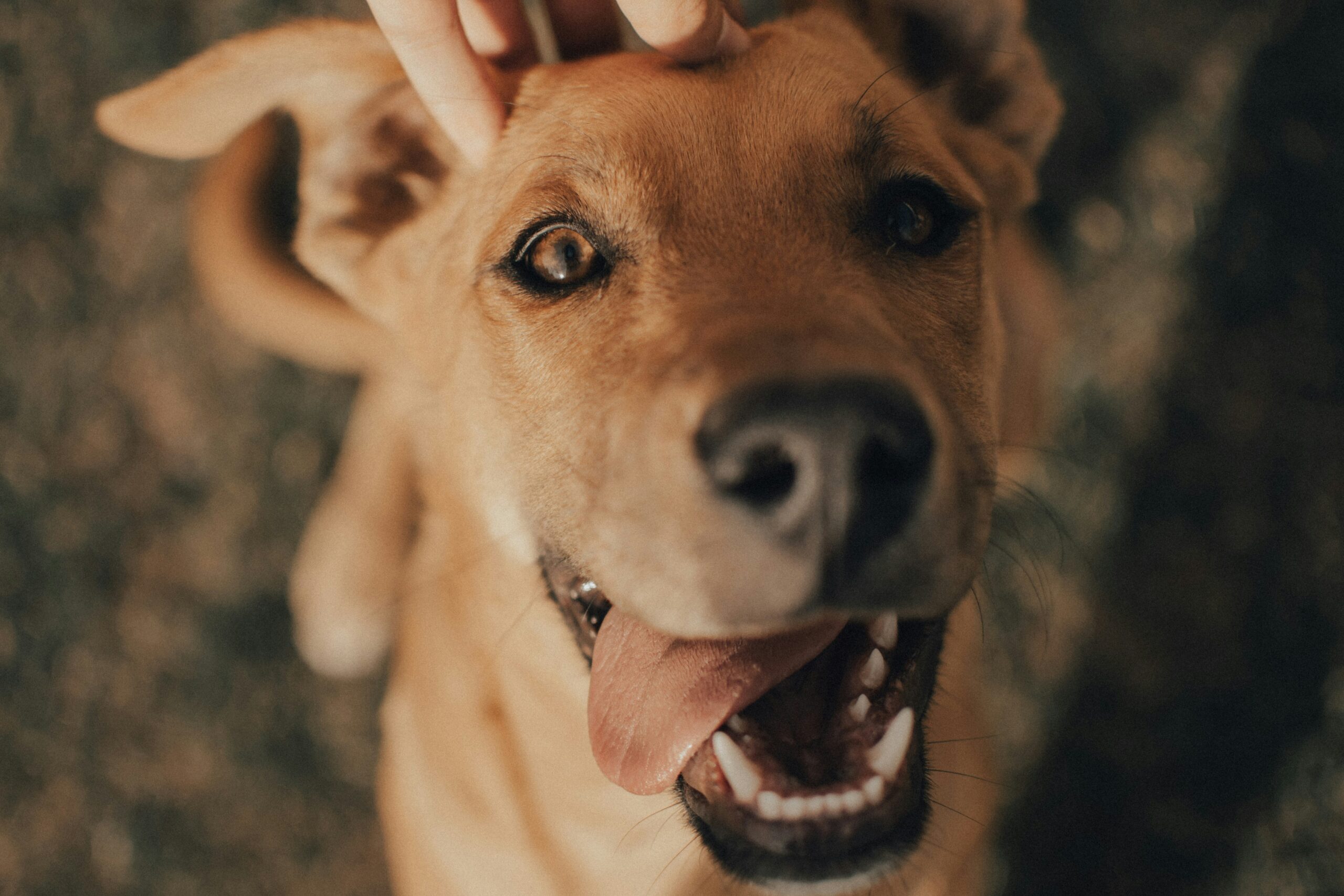
Scent-based activities satisfy their urge to explore and help redirect anxious energy. Plus, fostering these connections reminds them humans aren’t so scary after all.
“Grumpy Optimist” Dialogue:
Optimist You: “This is such a great way to bond!”
Grumpy You: “Yeah, sure—until Fido starts sniffing me during Zoom calls…”
Step-by-Step Guide to Teaching Human Scent Detection
Don’t let the fancy term “human scent detection” intimidate you. The goal here is simple: Teach your dog to recognize and follow your scent with positive reinforcement. Here’s how:
Step 1: Choose Your Scent Marker
No need for expensive gadgets—just use something naturally yours, like a worn sock or scarf. Hold it close enough for your dog to investigate without overwhelming them. Reward calm curiosity with treats or praise.
Step 2: Make It Interactive
Create short games where you hide the item nearby (behind furniture, under blankets). Encourage your dog to find it using verbal cues like “Find it!” or “Go sniff!”
Step 3: Build Distance Gradually
Start with easy spots, then progressively move farther away. Always reward success immediately. Remember, your tone should sound like someone who just found $20 in old jeans—genuine excitement!
Note: Terrible Tip Ahead
A common rookie mistake? Trying too many tricks at once. Stick to one task per session unless you want your brain to feel like your laptop fan mid-render whirrrr.
Rant Section: The Myth of Instant Results
Pet trainers promising overnight results are selling dreams, not reality. Dogs aren’t robots—they’re living beings navigating trauma, confusion, and change. Respect their pace. Stop scrolling TikTok for miracle hacks.

5 Best Practices for Successful Scent Training
- Keep Sessions Short (<5 minutes): Dogs’ attention spans rival toddlers hyped on sugar.
- Use High-Value Rewards: Think chicken bits, not kibble.
- Mix Up Locations: Hallways, gardens, cars—challenge their senses daily.
- End on a Win: Finish each game successfully before moving on.
- Stay Consistent: Same commands, same rewards, every single time.
Real Stories: From Fearful Strays to Scent Detectives
Meet Bella, a timid lab mix scared of her own shadow. After months of patient scent work, she became obsessed with finding her owner’s scarf. Today, Bella helps kids practice reading by sitting beside them—a testament to how far trust can take a scared pup.
Stories like Bella’s show the power of leaning into what makes dogs unique. Even shy strays can shine with targeted training.

Frequently Asked Questions About Human Scent Training
Q: Can any breed learn scent detection?
Absolutely! While some breeds may have sharper noses, ALL dogs benefit from engaging their senses.
Q: What if my dog doesn’t seem interested?
Patience is key. Try different items until you find one that piques their interest.
Q: Do I need special equipment?
Nope. A treat pouch, high-value snacks, and a willingness to play will do wonders.
Q: Is this safe for younger or older dogs?
Yes, though adjust intensity depending on age and physical condition.
Conclusion
Human scent detection isn’t just another training fad—it’s a bridge between you and your rescue dog, built on trust and shared experiences. With the right approach, even hesitant hounds can blossom into confident companions.
To recap: Start small, celebrate wins, and stay consistent. And remember, sometimes failure smells suspiciously like leftover pizza tucked behind a couch cushion.
Like a Tamagotchi, your relationship needs daily care—even when it’s messy, unpredictable, and occasionally covered in paw prints.