
Ever shouted “sit” at your rescue dog like you’re auditioning for a soap opera, only to be met with a blank stare? You’re not alone. Training rescue dogs—especially in mastering search dog handler signals—is no walk in the park. But here’s the twist: it’s not just about teaching commands; it’s about building trust and communication.
In this post, we’ll dive deep into why search dog handler signals matter, actionable steps to train your rescue pup, tips from pro trainers, inspiring real-life stories, and a few brutal honesty rants along the way. Let’s get started!
Table of Contents
- Key Takeaways
- The Importance of Building Trust
- Step-by-Step Guide to Teaching Handler Signals
- Tips and Best Practices
- Real-Life Examples of Success
- Frequently Asked Questions
Key Takeaways
- Rescue dogs require patience and consistency when learning new commands.
- Search dog handler signals are vital for effective canine-human communication during missions.
- Positive reinforcement is king—punishment-based methods won’t cut it.
- Sensory cues (visual, auditory, tactile) help reinforce signals more effectively.
Why Are Handler Signals Crucial for Rescue Dogs?

Think back to that one time I forgot my whistle while training Max, a high-energy Labrador mix. Instead of responding to hand gestures, he mistook every wave as an invitation to play fetch. Chaos ensued. Lesson learned: clarity and consistency are non-negotiables in search dog training.
Handler signals aren’t just random motions—they’re lifelines between humans and their four-legged partners. Whether searching for missing persons or detecting hazards, these signals bridge language barriers and ensure mutual understanding. It’s what separates a good team from a great one.
But let’s keep it real—if your rescue dog has baggage (and most do), forcing them into rigid drills will backfire faster than trusting autocorrect on a bad day.
Optimist Me: “You can teach any rescue dog!”
Grumpy Me: “Yeah, if they don’t ghost you first.”
How to Train Your Rescue Dog on Search Dog Handler Signals
Step 1: Establish Basic Obedience
No shocker here—you can’t jump straight to advanced signaling without nailing basics like “sit,” “stay,” and “come.” These foundational skills lay the groundwork for interpreting nuanced signals later.
Step 2: Introduce Visual Cues Gradually
Start simple. Use exaggerated hand movements paired with verbal commands. For example:
- Cue: Point down + say “down.”
- Action: Reward immediately when obeyed.

Step 3: Incorporate Auditory Signals
Add whistles, clicks, or specific sounds to complement visuals. This dual approach helps the dog associate actions with both sights and sounds.
Step 4: Simulate Real-World Scenarios
Practice in environments similar to where you’d deploy—for instance, dense forests or crowded areas. Distractions teach focus, which is invaluable in emergencies.
Best Practices for Rescue Dog Training
1. Patience Over Perfection
Dogs don’t care about perfection. They thrive on encouragement and love. So ditch the perfectionism—your dog isn’t applying to Harvard.
2. Consistency Is Key
Varying signals confuse dogs faster than deciding what to binge-watch on Netflix. Stick to standardized gestures and commands.
3. Prioritize Positive Reinforcement
This isn’t ‘90s alpha dominance training. Food rewards, praise, and toys work wonders. Punishment? Not so much.
4. Avoid Terrible Tip Alert: Don’t Rush Progression
Hell hath no fury like a frustrated dog trainer trying to cram months of training into weeks. Slow. Down.
Success Stories That’ll Melt Your Heart
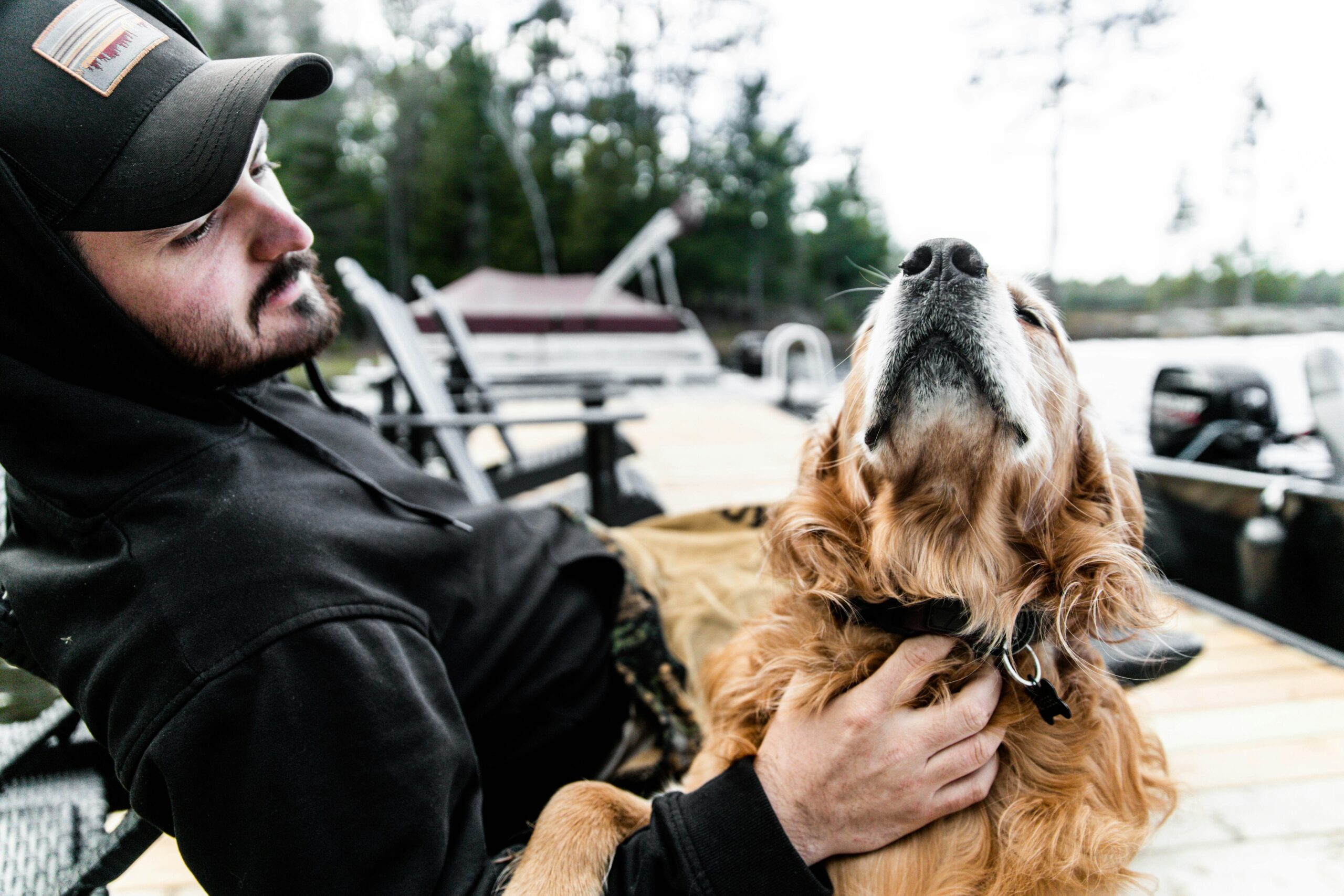
Meet Luna, a once-shy Pitbull rescued from a shelter, now a certified search-and-rescue star. Her handler credits success to repetitive yet patient signal practice over eight months. Or take Max—a disaster-response champ who mastered complex directional cues despite his initial stubborn streak.
Frequently Asked Questions About Rescue Dog Training
Q: How long does it take to train a rescue dog for search tasks?
A: Typically 6–18 months, depending on the dog’s age, background, and temperament.
Q: Can older rescue dogs learn handler signals?
A: Absolutely! While younger dogs may pick up cues quicker, older dogs often excel due to maturity.
Q: What if my dog ignores signals?
A: Reassess clarity, consistency, and reward timing. Often, it’s a delivery issue, not defiance.
Conclusion
Training rescue dogs using search dog handler signals requires empathy, creativity, and grit. Remember, it’s less about obedience and more about partnership. Keep calm, stay consistent, and embrace failures—they’re all part of the journey.
Like a Tamagotchi, your SEO needs daily care… and so does your furry companion. Now go grab that leash—it’s training o’clock!