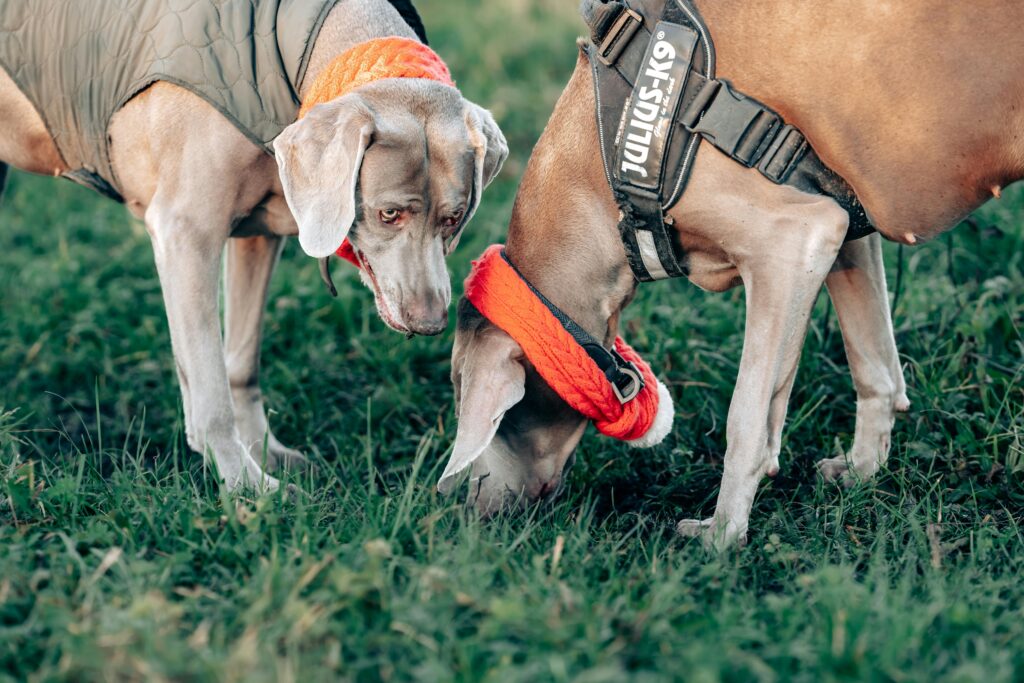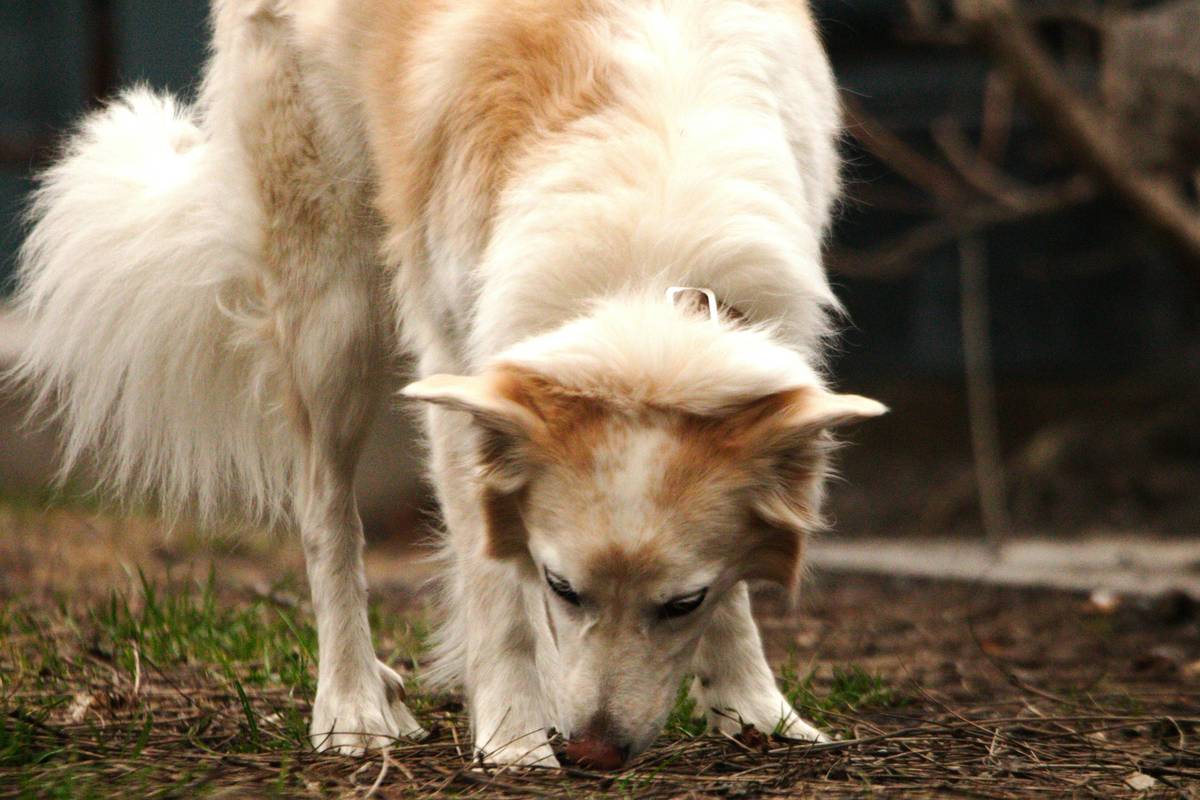
“Why does my rescue dog sniff every blade of grass like it’s their life mission?” Ever asked yourself this? Turns out, that nose knows more than we think—rescue dogs are born scent detectives just waiting for the right training.
If you’ve recently adopted a rescue dog or want to unlock your pup’s hidden talents, mastering rescue dog scent skills can do wonders. In this post, we’ll dive deep into why scent work is vital, how to start, and tips to make it fun. Let’s dig in!
Table of Contents
- Why Scent Work Matters for Rescue Dogs
- How to Start Training Your Rescue Dog’s Scent Skills
- Top Tips for Nailing Scent Training Sessions
- Real Stories: Success with Rescue Dog Scent Training
- FAQs About Rescue Dog Scent Skills
Key Takeaways
- Scent training helps build confidence and trust in rescue dogs.
- Start simple: use treats and familiar scents to engage your pup.
- Consistency and patience are key (even when Fido gets distracted).
- Tailor activities based on your dog’s individual personality and energy level.
- Real-life success proves that scent skills can transform shy rescues into confident companions.
Why Scent Work Matters for Rescue Dogs
When I first brought home my rescue mix, Luna, she spent an hour sniffing one corner of the living room. Ugh, I thought, isn’t there more exciting stuff here? But little did I know—that obsession was her superpower.

Scent work isn’t just about finding food; it taps into a rescue dog’s natural instincts. These pups often have a rough start in life, so engaging their minds through scent gives them purpose and reduces anxiety. Plus, it’s a bonding activity that strengthens your connection without overwhelming commands.
“Optimist You:” “What if they love this and become masters at sniffing out snacks?”
“Grumpy You:” “Ugh, but what if they ignore me completely while drooling over crumbs?”
The truth lies somewhere in between—but spoiler alert: consistency works miracles.
How to Start Training Your Rescue Dog’s Scent Skills
Ready to begin? Follow these steps to guide your furry friend:
Step 1: Choose the Right Environment
Pick a quiet space free from distractions. This could be indoors or outside, depending on your pup’s comfort zone. Think cozy—not chaotic.
Step 2: Use High-Value Treats
Picture this: tiny bits of chicken jerky or cheese cubes (chef’s kiss). Reward-worthy goodies will keep your dog motivated. Place one treat under a cup and let them smell it before revealing the prize.
Step 3: Introduce Simple Games
Start with “Find It” games. Show them a treat, hide it nearby, then encourage searching. Once they grasp the concept, expand the hiding spots.
Step 4: Gradually Increase Complexity
Add layers by introducing multiple objects or teaching specific scent recognition, like identifying lavender oil dabbed on a towel.
Top Tips for Nailing Scent Training Sessions
Keep these best practices in mind to ensure smooth sailing:
- Shorten Sessions: Limit each practice to 5–10 minutes. Their brains—and yours—will thank you.
- End on Positivity: Always finish with success. If things go south mid-session, revert to easy tasks.
- Maintain Patience: Progress takes time. Celebrate small wins instead of expecting overnight perfection.
- Avoid Repetition Burnout: Mix up locations and challenges regularly to prevent boredom.
A Terrible Tip Warning!
Some trainers suggest skipping foundational steps for complex scent tasks. DON’T DO THIS. Rushing leads to frustration—for both human and hound.

Real Stories: Success with Rescue Dog Scent Training
I once read about Max, a timid Lab mix who refused eye contact during walks after being abandoned. His owner stumbled upon scent work accidentally when he hid treats around the house. Over months, Max transformed into a curious explorer who thrived in agility trials.
Sound too good to be true? Check out K9 Nose Work competitions filled with rescued champions proving that second chances shine brightest.
FAQs About Rescue Dog Scent Skills
Q: Is scent training safe for older rescue dogs?
Absolutely! While younger dogs might pick things up faster, seniors benefit mentally and physically. Just adjust intensity as needed.
Q: What supplies do I need to start?
Not much—a few treats, some toys, and maybe essential oils if advancing. No fancy gear required!
Q: Can shy dogs handle scent training?
Yes! It builds confidence gently because it respects their pace and preferences.
Q: How long until results appear?
Every dog learns differently, but many show noticeable progress within weeks.
Conclusion
Rescue dog scent skills are more than tricks—they’re lifelines to happier, healthier lives. By embracing their natural instincts, you bond deeper while helping your four-legged pal thrive. So lace up those sneakers, grab the treats, and embark on adventures where noses rule.
Haiku Time:
Sniff, sniff everywhere,
Rescue souls find new purpose,
Tails wag endlessly.