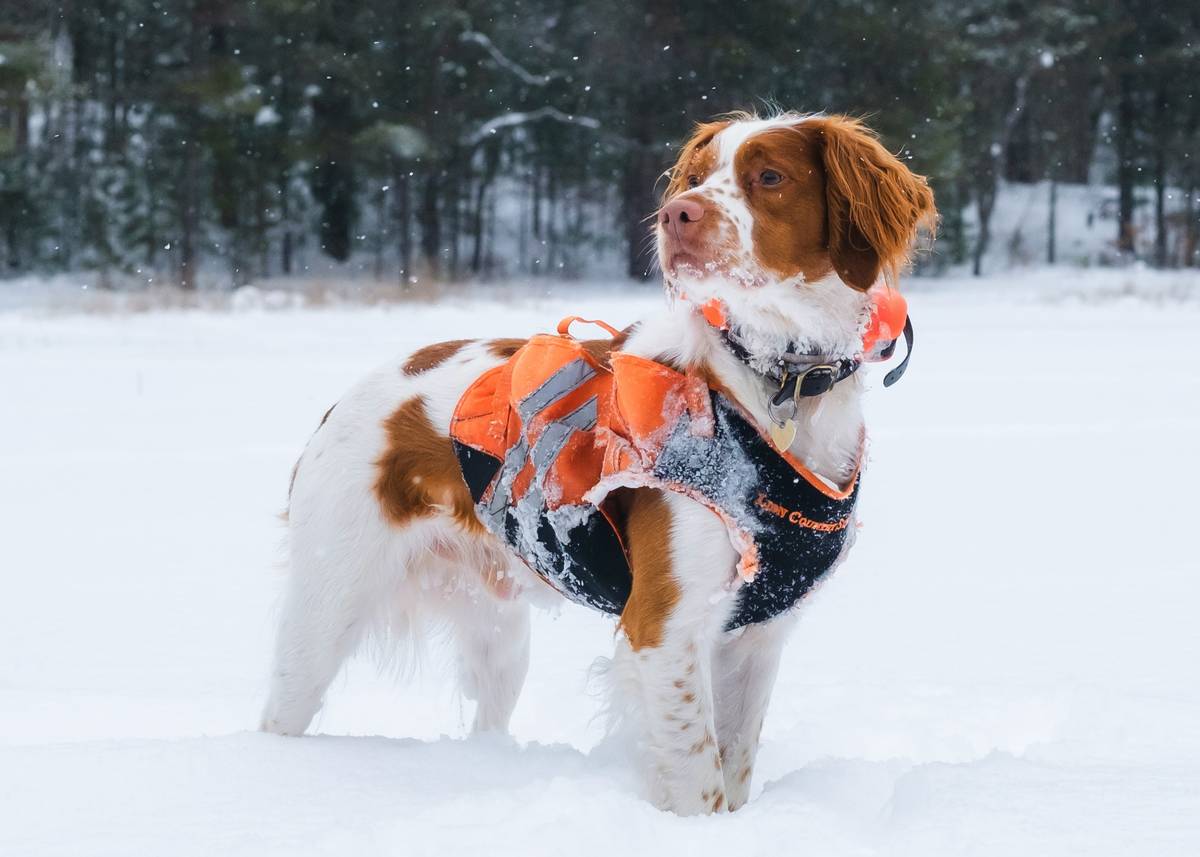
Ever wondered how some rescue dogs become heroes on search dog teams, sniffing out missing people or detecting danger? It’s not magic—it’s methodical training. The journey from shelter to search dog is challenging but incredibly rewarding for both you and your pup. In this post, we’ll cover everything you need to know about preparing your rescue dog to join a search dog team, including key challenges, step-by-step instructions, expert tips, real-life examples, and FAQs.
Table of Contents
- Key Takeaways
- Why Rescue Dogs Can Excel in Search Teams
- Step-by-Step Guide to Training Your Rescue Dog
- Best Practices for Success
- Real-Life Success Stories
- Frequently Asked Questions (FAQs)
Key Takeaways
- Rescue dogs can thrive in search dog teams, thanks to their resilience and adaptability.
- Patience, consistency, and positive reinforcement are non-negotiable when training a rescue dog.
- A strong bond between handler and dog accelerates progress.
- Professional guidance is invaluable during advanced stages of training.
Why Rescue Dogs Can Excel in Search Teams
Let me tell you something—I once adopted a scrappy rescue mutt named Max who was *terrible* at basic commands. Sitting? No chance. Staying? Forget it. But one day, I noticed he had an uncanny knack for finding my keys wherever I misplaced them. That’s when it hit me: This guy might just be cut out for a search dog team. Sound familiar?
Rescue dogs often have heightened instincts because they’ve survived tough situations. Their curiosity, focus, and determination make them excellent candidates for roles like tracking, scent detection, and disaster response. Of course, transforming a rescue dog into a polished member of a search team isn’t easy. Let’s break down why it matters and how to get started.
Step-by-Step Guide to Training Your Rescue Dog
“Optimist You:” “This could work—we’re going to train the next Lassie!”
“Grumpy You:” “Ugh, fine—but only if coffee’s involved.”
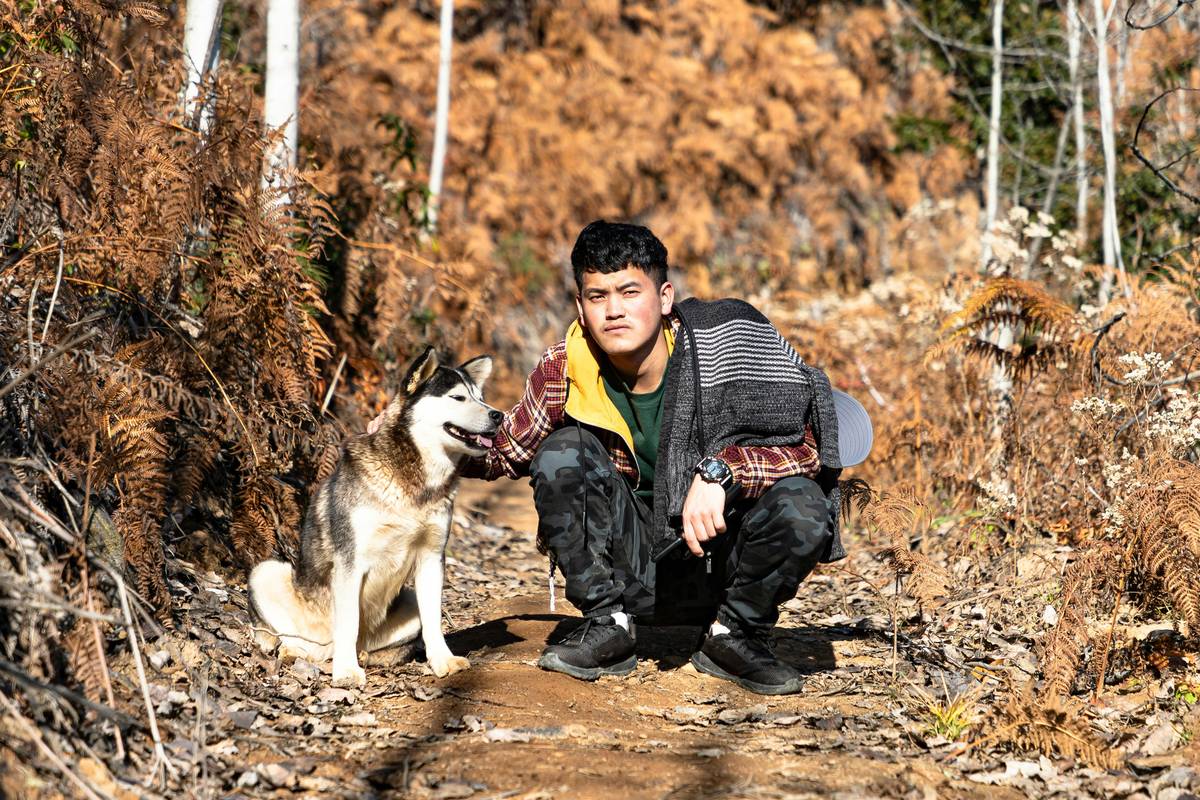
Step 1: Build Trust and Bonding
Before anything else, establish trust. Spend quality time together, play games, and ensure consistent routines. A secure dog is more open to learning new skills.
Step 2: Master Basic Obedience
Teach foundational commands like sit, stay, come, heel, and leave-it. Use treats and praise liberally. If these basics aren’t solid, moving forward will feel like trying to run before walking.
Step 3: Introduce Scent Work
Start simple by hiding treats around the house and encouraging your dog to find them. Gradually increase difficulty with outdoor environments and varied scents.
Step 4: Progress to Mock Missions
Simulate real-world scenarios using props like dummies or clothing. Practice searching over obstacles, in forests, or even urban settings.
Step 5: Seek Professional Guidance
While DIY has its charm, enlisting help from certified trainers or organizations specializing in search dog teams ensures proper technique and safety protocols.
Best Practices for Success
Here’s what every aspiring search dog trainer needs to remember:
- Consistency Matters: Stick to a schedule so your dog knows what to expect daily.
- Prioritize Positivity: Reward successes immediately. Avoid punishment—it breaks trust.
- Tailor Training to Temperament: Not all dogs excel at every task; embrace their strengths.
- Warning: Don’t skip rest days! Overtraining leads to burnout.
Real-Life Success Stories
Milo, once a stray found wandering highways, now works with his handler to locate avalanche victims in Colorado. Then there’s Bella, rescued from a high-kill shelter, who went on to win awards for her wilderness tracking prowess. These stories prove that with dedication, any rescue dog can rise to greatness.
Frequently Asked Questions (FAQs)
Q: How long does it take to train a rescue dog for a search team?
A: Typically 1-2 years depending on the complexity of tasks and individual dog traits.
Q: What breeds are best suited for search dog teams?
A: While working breeds like German Shepherds and Labradors dominate the field, mixed-breed rescues also shine due to diverse genetics.
Q: Is certification necessary?
A: Yes, most reputable programs require formal evaluation for participation in official missions.
Congratulations—you now possess the toolkit to transform your rescue dog into a proud member of a search dog team! Stay patient, celebrate small wins, and above all, cherish the journey. Remember: Like a Tamagotchi, your SEO needs daily care—so keep practicing, refining, and growing alongside your furry partner.