“Ever tried teaching a rescue dog to sit, only for them to stare at you like you’re speaking alien? Yeah, we’ve all been there.”
Training a rescue dog isn’t just about commands—it’s about building trust and teamwork. If you’re looking for actionable ways to train your rescue pup using teamwork drills, this guide is for you! We’ll cover how to bond with your new furry friend, mistakes to avoid, success stories, and even some quirky tips. Spoiler alert: It’s not just about treats!
Table of Contents
- Key Takeaways
- Why Teamwork Matters in Rescue Dog Training
- Step-by-Step Guide to Implementing Teamwork Drills
- 3 Best Practices for Effective Teamwork Drills
- Real-Life Examples of Successful Teamwork
- Frequently Asked Questions About Rescue Dog Training
Key Takeaways
- Teamwork drills foster trust between you and your rescue dog.
- Consistency and patience are key components of effective training.
- Avoid punishing behaviors; instead, focus on positive reinforcement.
- Short bursts of interactive play can dramatically improve outcomes.
- Other pet parents’ experiences show that progress takes time but pays off.
Why Teamwork Matters in Rescue Dog Training
When adopting a rescue dog, their past trauma or lack of socialization might make training feel impossible. They often come from uncertain environments where survival instincts override obedience. Sounds tough, right?
The biggest challenge? Building mutual respect and understanding. Commands alone won’t cut it—you need teamwork. These drills revolve around shared activities that strengthen your bond, teaching your dog to see you as a partner rather than a boss. Plus, science backs this up—studies suggest that dogs respond better when they perceive themselves as part of a team (source).
Step-by-Step Guide to Implementing Teamwork Drills
Let’s dive into the nitty-gritty of how these drills work.
Step 1: Start with Bond-Building Activities
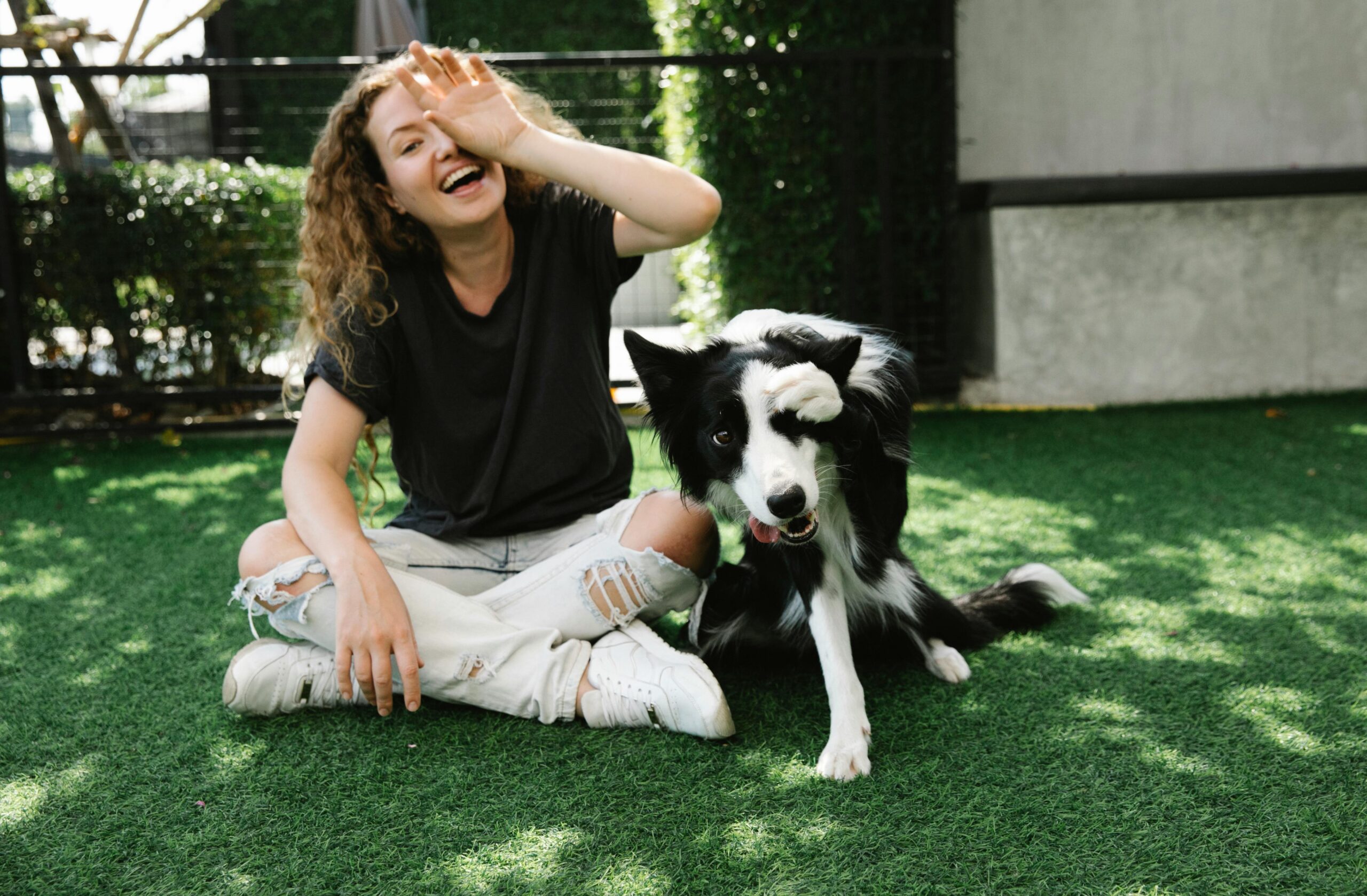
Greet your pup daily with a mini “hello” session. Call their name, reward eye contact, and use high-value treats. This simple act sets the tone for collaboration.
Step 2: Introduce Basic Commands Through Play
For example, during tug-of-war, pause mid-game and ask your dog to “drop it.” Reward immediately when they comply. Mixing play with structure makes learning fun.
Step 3: Incorporate Structured Walks
Walking side-by-side teaches synchronicity. Use cues like “let’s go!” and stop occasionally so your dog learns to check in with you naturally.
Step 4: Add Complexity Gradually
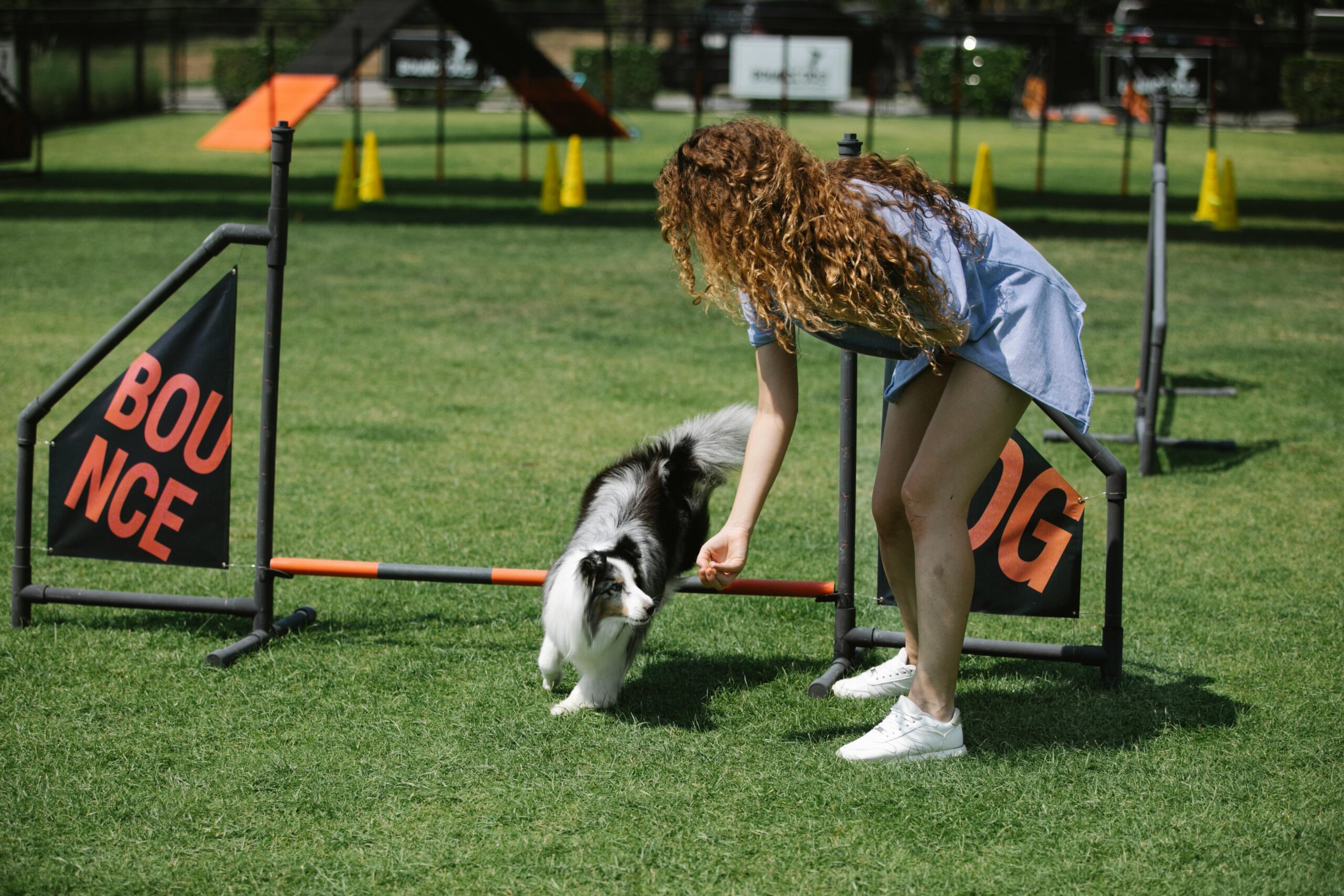
Once foundational behaviors are solid, introduce advanced drills like agility courses. Encourage them through obstacles together, reinforcing teamwork.
3 Best Practices for Effective Teamwork Drills
- Stay Patient: Dogs sense frustration faster than Wi-Fi drops out. Keep sessions short (5–10 minutes) to avoid overwhelming them.
- Use High-Value Rewards: Rotisserie chicken beats kibble any day. Find what motivates YOUR specific dog.
- Document Progress: Snap photos or jot notes after each session. Celebrating small wins keeps morale high—for you and your pup!
Real-Life Examples of Successful Teamwork
Take Max, a timid pitbull mix adopted by Sarah. Max was initially fearful of human touch. After weeks of consistent teamwork drills involving food puzzles and paired walks, he began initiating cuddles! Now, Sarah can’t imagine life without her loyal companion.
Or consider Jake, who struggled to leash-train his rambunctious retriever mix. Through structured teamwork exercises like synchronized jogging and recall games, Jake transformed chaos into confidence. Today, they compete in local agility events!

Frequently Asked Questions About Rescue Dog Training
Q: How long does rescue dog training typically take?
A: It varies based on individual needs, but most see progress within 2–6 months of consistent effort.
Q: Should I hire a professional trainer?
A: While DIY methods work well, hiring a certified trainer can provide tailored advice, especially if behavioral issues persist.
Q: What’s one terrible tip to avoid?
A: Avoid punishment-based techniques like yelling or forcing compliance. These damage trust and hinder progress.
Rant Alert: The Misconception About Treats
“Oh no,” said every skeptical pet parent ever, “Won’t my dog ONLY listen for treats?” Ugh, NOPE. Let’s squash this myth once and for all. Sure, treats incentivize behavior initially—but consistency builds habits. Would YOU train for free indefinitely? Exactly.
Conclusion
Bonding with a rescue dog through teamwork drills creates a foundation of love, trust, and communication. From bond-building basics to structured walks and beyond, every step strengthens your partnership. Remember, setbacks happen—but persistence pays off. So grab those treats, cue your favorite ‘80s power ballad, and start connecting.
P.S. Your journey may be messy, chaotic, unpredictable—but also profoundly beautiful. Like alphabet soup. 🐾