“Ever spent hours searching for your rescue dog after they bolted out the door? Yeah, we’ve been there too.”
Losing a pet is one of the most gut-wrenching experiences as a pet parent. But if you’ve adopted a rescue dog—often nervous or prone to flight risk—it’s not just about finding them; it’s about preparing them beforehand with effective training methods like search training for lost pets. In this guide, you’ll learn how to blend trust-building exercises, scent-based techniques, and emergency protocols that can save your pup.
Table of Contents
- The Problem: Why Rescue Dogs Need Special Attention
- Step-by-Step Search Training for Lost Pets
- Top Tips for Effective Rescue Dog Training
- Real-Life Success Stories
- FAQs About Pet Training Methods
Key Takeaways
- Rescue dogs require tailored training due to their unique backgrounds and behaviors.
- Search training builds confidence and strengthens recall skills in case your dog gets lost.
- Scent-based games are an essential tool for bonding and reinforcing safety responses.
- Patience is key—even small wins count when rehabilitating fearful pups!
Why Do Rescue Dogs Require Special Attention?

(Alternative Text: A timid rescue dog peeking cautiously from behind furniture.)
Let’s face it—rescue dogs aren’t blank slates like puppies bred for family life. Many come with trauma, neglect, or abandonment issues. Some flee at loud noises while others bolt during walks. I made the rookie mistake of thinking my newly adopted terrier mix would “grow out of” his escape attempts. Spoiler alert: He didn’t. It took weeks of consistent work (and some chewed-up shoes) before progress began.
Pain Point: The Flight Risk Factor
Rescue dogs often associate new environments with danger. This instinctual response triggers what trainers call the “fight-or-flight reflex.” For many rescues, fleeing feels safer than staying put. And let me tell you—the first time my dog darted through an open gate was enough to give me gray hairs overnight.
Optimist Me:* “There has to be a better way!”
Grumpy Me: “Ugh, fine—but only if snacks are involved.”*
Step-by-Step Guide to Teaching Your Rescue Dog Search Training
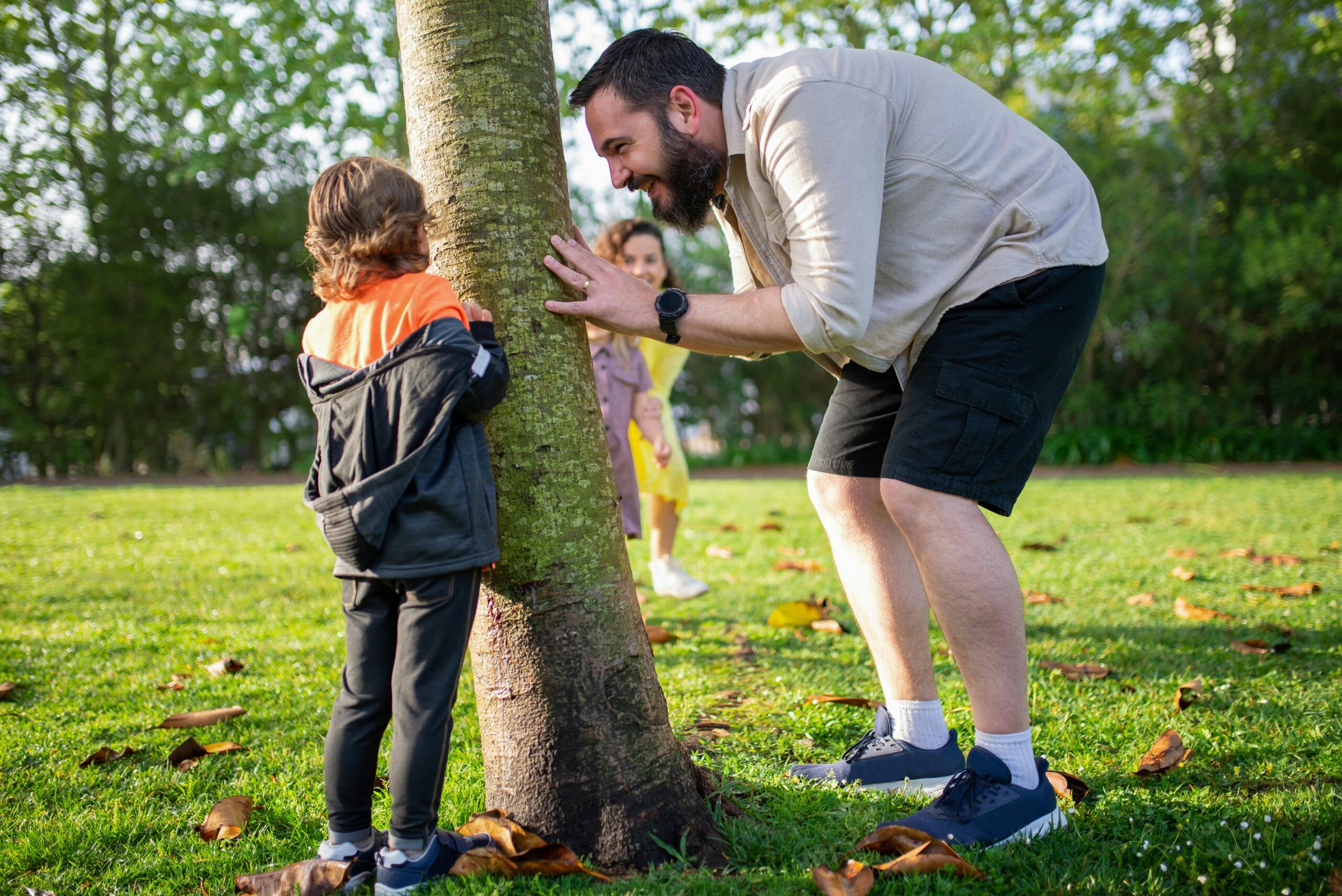
(Alternative Text: Owner crouching on grass while smiling as golden retriever finds them.)
Before diving into search training, remember: Trust Comes First. These steps prioritize bonding over quick results.
Step 1: Create a Safe Zone
Your home should feel secure. Set up a cozy crate or designated area filled with familiar scents, blankets, and toys. Make this space positive by associating it with treats and praise.
Step 2: Introduce Recall Commands
Start indoors where distractions are minimal. Call your dog using a cheerful tone (e.g., “Here, buddy!”). Reward immediately upon compliance. Gradually increase distance and add mild distractions like other household members walking past.
Step 3: Play Scent-Based Games
Toss treats around your yard, hiding some under objects like flower pots or rocks. Encourage sniffing behavior until they locate all items. Over time, introduce verbal cues such as “find it” to build association.
Step 4: Simulate Real-World Scenarios
Once fluent in basic commands, simulate being lost. Go to a park or quiet trail, letting your dog wander slightly ahead while maintaining visual contact. Use recall phrases to bring them back. Pro tip: Carry delicious treats exclusively for these sessions to amp motivation.
Top Tips for Rescue Dog Training Success
If patience were a stock market investment, teaching a rescue dog would make Warren Buffett proud. Here’s how to stay sane:
- Be Consistent: Daily reinforcement is non-negotiable. Skipping days confuses even the brightest pups.
- Avoid Punishment: Yelling won’t fix fear-based behaviors. Positive reinforcement reigns supreme.
- Customize Rewards: Every dog loves something different—whether it’s belly rubs or cheese cubes.
- Keep Sessions Short: Aim for 5–10 minutes max. Long drills lead to burnout faster than Netflix spoilers.
WARNING: Don’t Fall Into These Traps!
I once tried forcing leash training without breaking down each step properly (terrible idea). My poor boy panicked, making future outings worse. Brutal honesty moment: Not every technique works instantly—or ever. Know when to consult professional trainers.
How Search Training Saved Milo: A Real-Life Case Study

(Alternative Text: Emotional scene of woman hugging her mud-covered but safe dog near forest edge.)
Meet Milo—a scrappy husky mix who escaped twice within two months after adoption. His owners implemented our exact protocol: daily recall practice, scent-based tracking games, and simulated escapes. Three months later, when Milo slipped away again, he miraculously returned home after hearing his owner whistle nearby. Their success proves persistence pays off.
Frequently Asked Questions About Search Training for Lost Pets
Q: How long does it take to train a rescue dog?
A: Progress varies wildly based on individual temperament and history. Some see results in weeks; others need months. Just keep going.
Q: Can older rescue dogs still learn?
A: Absolutely! While younger pups adapt quicker, seniors benefit greatly from mental stimulation and trust exercises.
Q: What should I do if my dog bolts despite training?
A: Stay calm, avoid chasing, and follow pre-planned steps (like calling microchip companies and posting online alerts).
Conclusion
Training a rescue dog takes grit, love, and plenty of treats. By mastering search training for lost pets, you’re investing not just in their physical well-being but also in strengthening your bond. Remember, even tiny victories deserve celebration because progress isn’t linear—it’s more like a spiral staircase with occasional setbacks.
*Final thought: Like dial-up internet nostalgia, good things take time.* 🌟