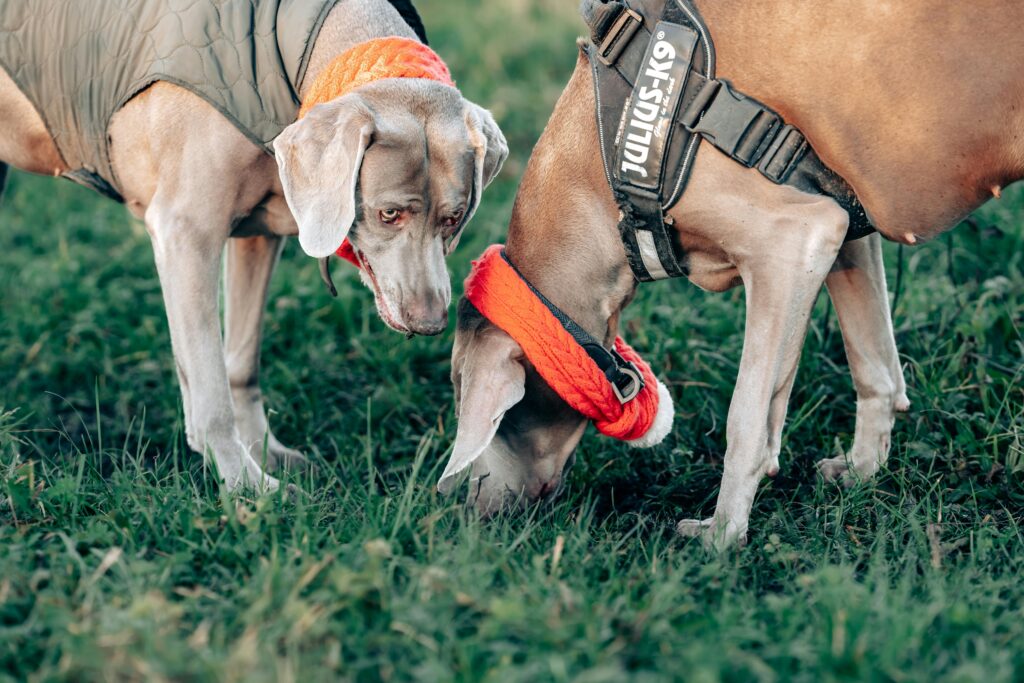
Ever brought home a rescue dog, only to realize they’re more “Sherlock Holmes” than “Loyal Companion”? Yep, many rescue dogs have an *unbelievable* knack for sniffing out crumbs under the couch or detecting when you’ve opened a bag of chips from three rooms away. But did you know this incredible sense of smell can actually be harnessed into something transformative? Enter scent work for rescue dogs—a powerful way to build trust, boost confidence, and create lifelong bonds.
In this guide, we’ll show you how scent work works (pun intended), why it’s perfect for rescue pups, and step-by-step strategies to get started today. Oh, and yes, coffee breaks are encouraged throughout because training requires fuel—don’t @ me!
Table of Contents
Key Takeaways:
- Scent work leverages your rescue dog’s natural instincts, helping them overcome anxiety and build focus.
- A structured training approach boosts confidence while strengthening your bond.
- You don’t need fancy equipment—just patience, treats, and enthusiasm.
Why Scent Work Is Tail-Wagging Awesome
Let’s talk about chaos, shall we? Rescue dogs often arrive with baggage—literal and metaphorical. Separation anxiety, fear-based aggression, or simply being overwhelmed by their new surroundings are common challenges. That’s where scent work swoops in like Batman at a party crash.
Why does scent work rock so hard? Well, dogs were born to sniff. Their olfactory system has up to 300 million receptors compared to our measly 5-6 million, which basically makes them superhumans of smell detection. Harnessing this ability gives them:
- Mental stimulation that tires them out faster than any game of fetch.
- A safe space to explore without judgment, building trust as they go.
- A skillset that mimics real-world tasks, reducing boredom behaviors like chewing shoes.

Pro Tip: Start simple, like hiding treats under cones, before progressing to advanced searches.
And here’s the kicker—it’s not just fun; it’s therapeutic. Picture it: Your pup, once unsure, now confidently following clues around the house like some sort of four-legged detective. Sounds dreamy, huh?
Step-by-Step Guide: Getting Started with Scent Training
“Optimist You: This will be easy, right?”
Grumpy You: Sure, but only if patience levels are set to ‘legendary.’”
Tackling scent work doesn’t require a Master’s degree—just consistency. Here’s how to start:
Step 1: Introducing the Target Scent
Begin with something irresistible yet straightforward. Peanut butter smeared on cotton swabs? Or maybe freeze-dried liver powder hidden inside a toy. Let your dog sniff it freely and reward heavily every time they do.
Step 2: Hide It Plain Sight
Place the scented item somewhere obvious—for instance, on a chair—and encourage your dog to “find it.” Use verbal cues sparingly; let curiosity drive discovery.
Step 3: Gradually Increase Difficulty
Move the scent to less obvious spots: behind cushions, underneath tables, or tucked away in drawers. Make each session a mini adventure, rewarding successful finds with tons of praise and high-value treats.
Step 4: Add Commands
Once your dog gets the hang of searching, introduce a command like “search” or “find it.” Consistency breeds clarity—so stick with one phrase throughout.
Best Practices & Pro Tips
Sure, throwing food pieces across the room and shouting “Fetch!” might seem effective—but not exactly *science-backed*. Here’s what experts recommend:
- Keep Sessions Short: Aim for 5–10 minutes max per session. Overwhelm leads to frustration.
- Use High-Value Treats: Think chicken breast strips over kibble. Motivation matters!
- Stay Calm: Rescue dogs pick up on owner vibes instantly. Nervous energy? Uh oh.
- A Terrible Idea Alert: Never punish mistakes during scent training. It erases progress quicker than spilled coffee on white jeans.
Real-Life Success Stories
Take Max, for example—a timid terrier mix who cowered whenever visitors approached. After six weeks of daily scent work sessions, Max transformed into a confident pooch who greeted guests with tail wags instead of whimpers. His owner credits this newfound bravery entirely to engaging his nose.
Stories like Max’s aren’t rare—they’re achievable. Whether you live in a tiny studio apartment or a sprawling countryside estate, scent work adapts beautifully to all environments.
Frequently Asked Questions About Scent Work
Q: How long does it take to see results?
A: Results vary depending on the dog’s personality, trauma history, and consistency of practice. Some dogs improve within weeks, while others may need months.
Q: Can aggressive dogs benefit from scent work?
A: Absolutely! Many trainers use scent work to redirect aggression triggers and teach impulse control.
Q: Do I need certification to try this?
A: Nope. While certifications exist for competitive sport-level scent work, anyone can start informally at home.
Conclusion
To recap, scent work isn’t just another pet trend—it’s a lifeline for rescue dogs navigating life’s uncertainties. By tapping into their natural talents, you’re giving these deserving pups purpose, pride, and plenty of puppy kisses along the way.
So grab those treats, channel your inner Dr. Dolittle, and watch your fur baby blossom through scent work magic. And remember…
Like planting seeds in a garden,
Patience brings blooms unforeseen,
Sniff by sniff, day by day,
Your rescue dog finds meaning.
P.S. If they ignore everything except the treat bag, we won’t tell.