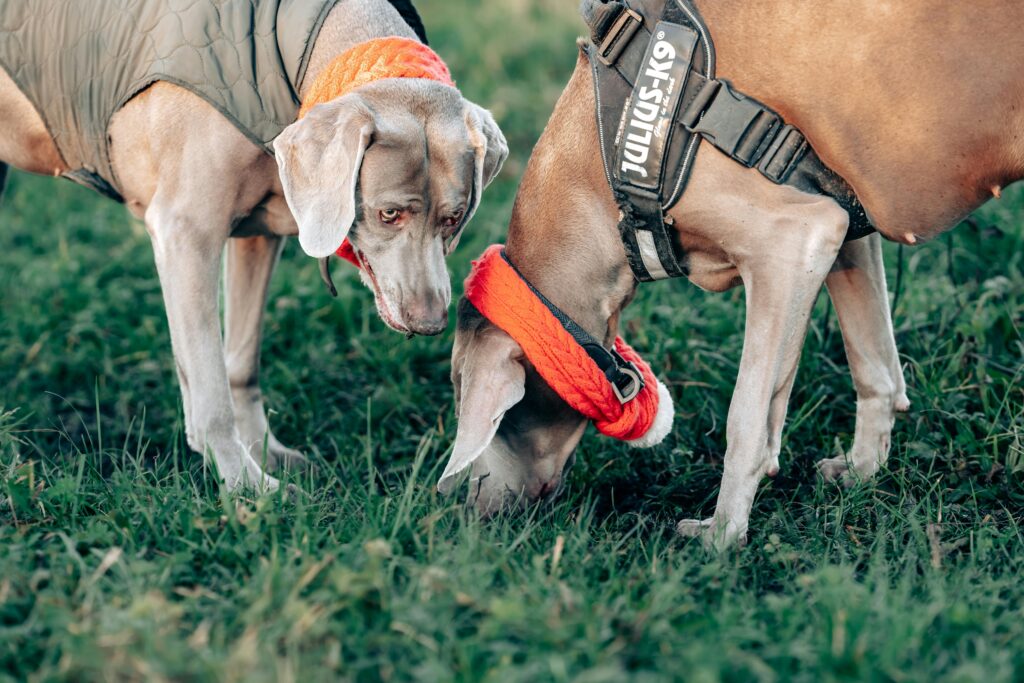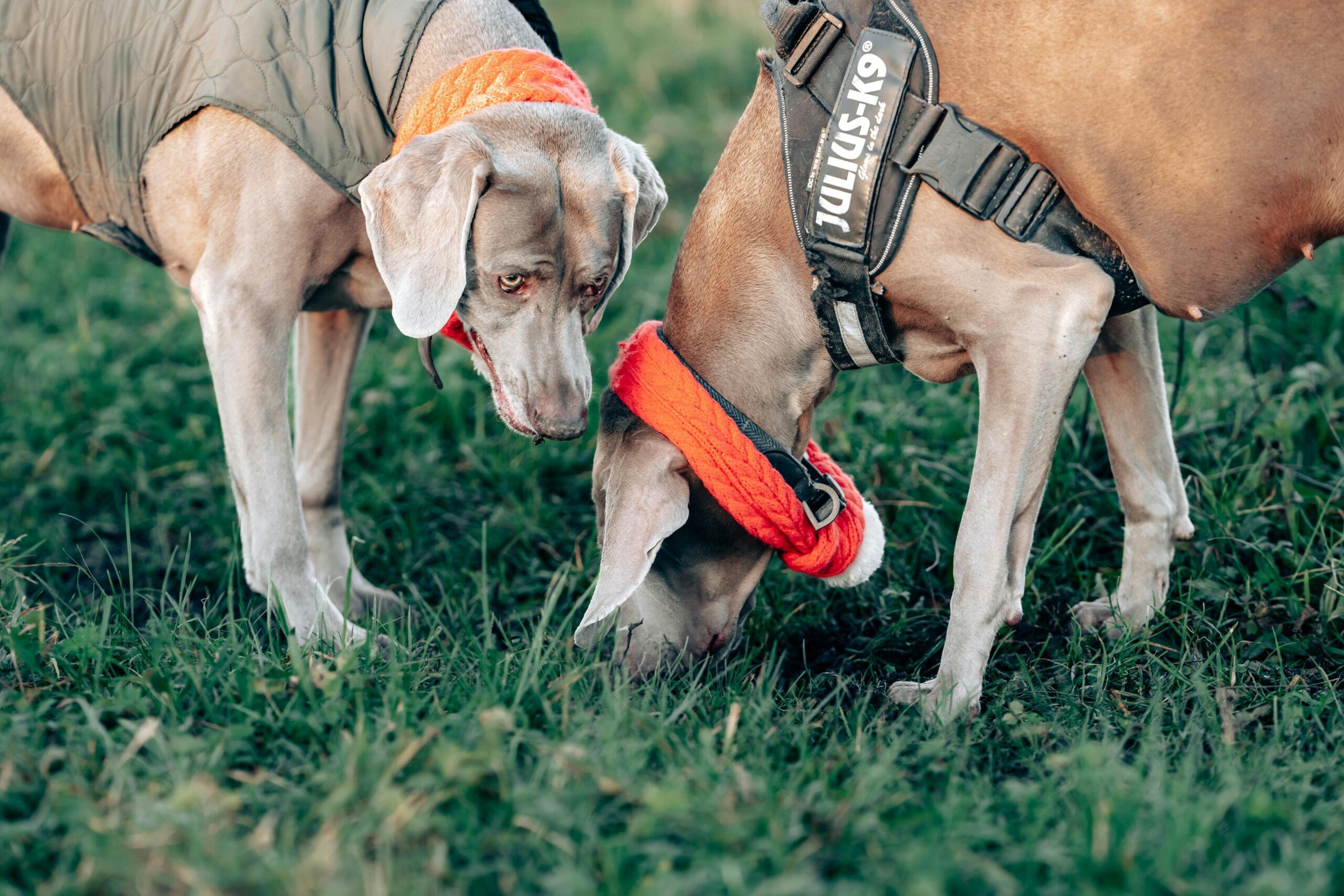
“Ever stared at your rescue dog and wondered, ‘What secrets are you hiding behind those soulful eyes?'” If you’re nodding along, you’re not alone. Training a rescue dog can feel like trying to solve a Rubik’s Cube blindfolded—frustrating but oddly rewarding when you crack it.
Today’s topic is one I wish I’d discovered sooner: scent training for service dogs. Imagine turning your furball into a superhero with a nose sharper than a truffle hunter’s. This blog will guide you through the process step-by-step, including some confessions about my own bumbling attempts (spoiler: peanut butter was involved).
- Key Takeaways
- Why Scent Training Matters
- Your Go-To Guide for Scent Training
- Pro Tips You Can’t Ignore
- Success Stories That’ll Inspire You
- Frequently Asked Questions
🔑 Key Takeaways
- Scent training taps into your rescue dog’s natural sniffing instincts.
- Consistency and patience are non-negotiable for success.
- Avoid overloading your pup with too many scents at once—it’s a recipe for disaster.
- This method isn’t just for service dogs; pets benefit from mental stimulation too!
🤔 Why Does Scent Training Matter?
Picture this: Your newly adopted rescue dog, Bella, has an incredible sense of smell—10,000 times more powerful than yours. But instead of channeling her inner Sherlock Holmes, she’s busy chewing on your couch cushion. Sound familiar?

Scent training gives rescue dogs a purpose, helping them transition from survival mode to thriving. It also builds trust between you and your pup because it relies heavily on positive reinforcement. Trust me—I accidentally taught my dog Max to associate mint with treats after spilling toothpaste during a session. 🤦♀️ Oops!
The Science Behind It:
- Dogs have up to 300 million olfactory receptors compared to our mere 5 million.
- Training activates parts of their brain linked to focus and problem-solving.
- For rescue dogs, scent games reduce anxiety by engaging their instinctual behaviors.
🛠️ Your Go-To Guide for Scent Training
Ready to dive in? Here’s how to transform your four-legged friend into a scent-detecting superstar:
Step 1: Choose the Right Scent
Pick something simple yet distinct, like vanilla essence or lavender oil. Avoid anything toxic, obviously—don’t be *that* person who uses cleaning supplies as training tools.
Step 2: Start Simple
Begin indoors where distractions are minimal. Place the scent inside a closed container and let your dog investigate. Reward them with a treat every time they show interest.
Step 3: Gradually Increase Complexity
Once your pup gets the hang of it, hide the scent under objects or around corners. Make sure rewards stay consistent. Remember, consistency is key—if there’s one rule I’ve learned the hard way, it’s that inconsistency drives dogs bananas.
Step 4: Transition to Real-World Scenarios
Take your dog outside to practice in busier environments. Parks, sidewalks, even grocery store parking lots (from afar!) offer excellent opportunities for advanced training.

🏆 Pro Tips You Can’t Ignore
- Treat Placement: Keep treats out of sight until the task is complete. No cheating!
- Short Sessions: Limit training to 5–10 minutes per day. Dogs get overwhelmed easily.
- Terrible Tip Alert: DON’T use food smells for training if your dog has dietary restrictions. Yes, I made this mistake… cue vet bills.
- Use Clickers: Pair clicker sounds with rewards to reinforce behavior instantly.
Sidebar rant here: Why do people insist on skipping warm-up exercises before training sessions? Would YOU run a marathon without stretching first? Nope. Same logic applies to pups.
🌟 Success Stories That’ll Inspire You
Meet Charlie, a scrappy rescue hound whose trainer used scent work to help him overcome separation anxiety. Within months, Charlie graduated to tracking lost items for his family. Now he’s basically Houdini meets Google Maps.
Then there’s Luna, a shy shepherd mix who thrived once her owner introduced scent detection games. She now competes in local canine sports events—all thanks to harnessing her innate abilities.
❓ Frequently Asked Questions
Q: Can all breeds benefit from scent training?
Absolutely! While certain breeds excel naturally (like Bloodhounds), any breed can learn to love scent-based activities.
Q: How long does it take to see results?
Results vary depending on your dog’s personality and prior training experience. Generally, expect noticeable progress within a few weeks.
Q: Is it expensive?
Nope! All you need is time, patience, and basic supplies like jars or containers. DIY trainers unite!
🎉 Conclusion
There you have it—scent training might just be the secret sauce your rescue dog needs to thrive. From reducing stress to enhancing your bond, the benefits extend far beyond sniffs and scratches. So grab that jar of vanilla extract, lace up your sneakers, and watch your bestie blossom into a scent-savvy sidekick. #WinningAtDogLife
And remember: Like a Tamagotchi, your SEO (and pet parenting) requires daily care. 🐾✨