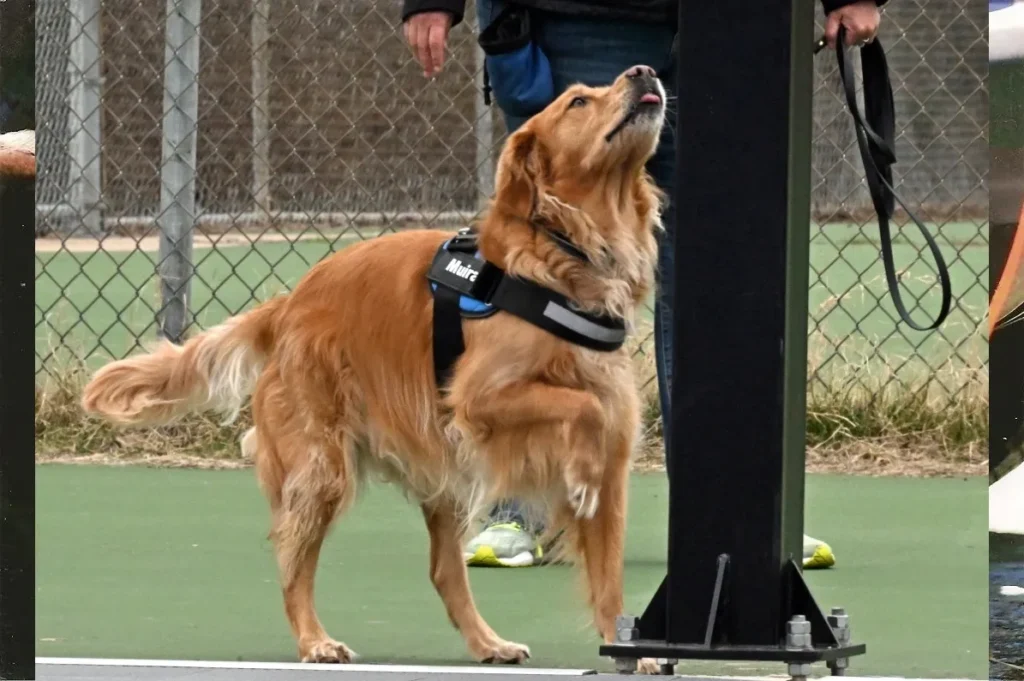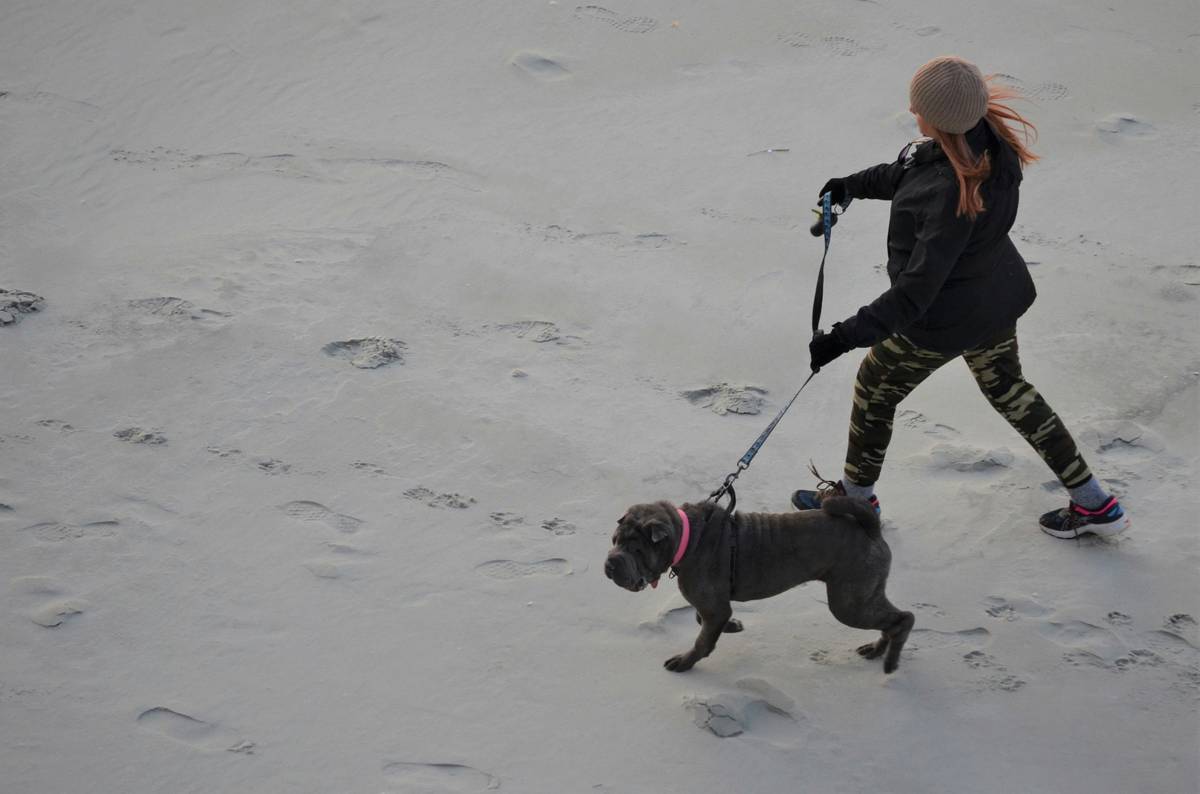
Ever felt like you’re herding cats when trying to train your rescue dog in a big, open space? Yeah, us too. It’s not just you—training a rescue pup for wide area coverage is one of the trickiest challenges pet parents face. Whether it’s mastering recall or navigating distractions, doing this effectively can feel impossible without expert guidance.
In this article, we’ll guide you through everything you need to know about rescue dog training with wide area coverage. You’ll learn why wide spaces matter, step-by-step techniques tailored for rescue dogs, actionable tips, and real-life success stories. Let’s turn that chaotic park session into an obedient dream!
Table of Contents
- Why Wide Area Coverage Matters in Rescue Dog Training
- Step-by-Step Guide to Train Your Rescue Dog for Wide Spaces
- Best Practices for Effective Wide Area Training
- Real-Life Examples: Success Stories from the Field
- Frequently Asked Questions About Rescue Dog Training
Key Takeaways
- Wide area coverage helps build confidence and discipline in rescue dogs.
- Start small with controlled environments before moving to larger areas.
- Use positive reinforcement consistently to encourage good behavior.
- Avoid rushing progress; patience is key to long-term success.
- Leash work transitions are crucial before going off-leash in wide spaces.
Why Wide Area Coverage Matters in Rescue Dog Training
I once took my newly adopted rescue dog, Max, to a sprawling field thinking, “No leashes today!” Spoiler alert: He bolted straight toward a squirrel faster than Usain Bolt on caffeine. That day, I learned why wide area coverage isn’t just about letting Fido stretch his legs—it’s a core skill for safety and trust-building.
For many rescue dogs, wide area coverage introduces them to new sensory experiences. These include sights, sounds, smells, and social interactions they might never have encountered before. Without proper training, these factors can overwhelm even the most well-meaning pooch.
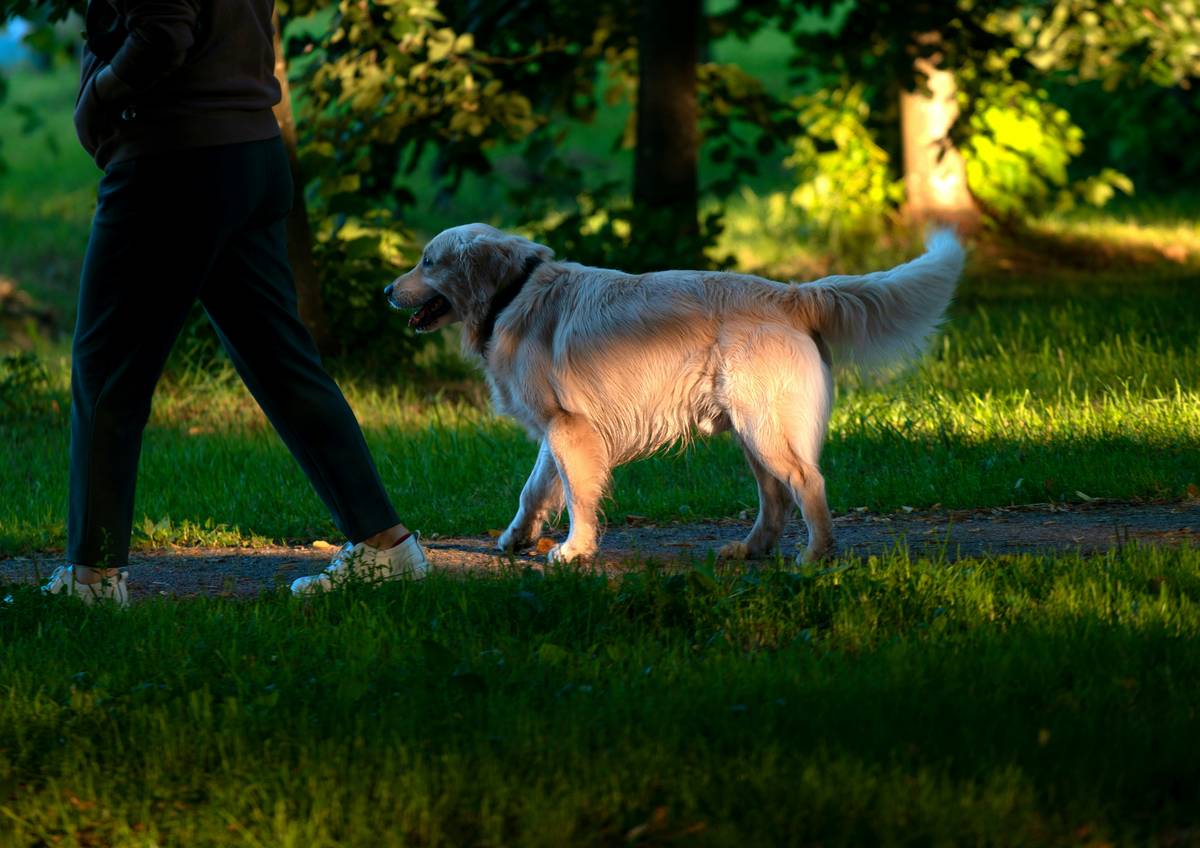
Figure 1: A rescue dog enjoying freedom in a wide-open space—but only after thorough training!
Grumpy Optimist Dialogue:
Optimist You: “Imagine how much fun he’ll have exploring those fields!”
Grumpy You: “Yeah, until he decides chasing ducks is more fun than coming back when called.”
Step-by-Step Guide to Train Your Rescue Dog for Wide Spaces
Step 1: Start Small—Controlled Environments First
Before stepping foot onto a soccer field, focus on smaller, fenced-in areas. For example:
- Your backyard or a local playground after hours (check permissions).
- A quiet corner of a park away from high foot traffic.
This allows your dog to acclimate without being overwhelmed by endless possibilities.
Step 2: Teach Reliable Recall Commands
Recall is non-negotiable if you want safe wide area adventures. Use treats and praise liberally:
- Say “come” while holding a treat at eye level.
- When your dog obeys, reward immediately.
- Gradually increase distance and distractions as reliability improves.
Step 3: Transition from Leash to Off-Leash Work
Never go fully off-leash until your pup has mastered basic obedience commands. A long line leash can help bridge the gap between control and freedom.
Best Practices for Effective Wide Area Training
- Stick to Positive Reinforcement: Yelling doesn’t work here—focus on rewards instead.
- Practice Regularly: Consistency breeds results.
- Know When to Quit: Signs of stress? Call it quits for the day.
And yes—I’m calling out a terrible tip now: Never use shock collars or harsh punishments during this process. Trust me, your dog will thank you later.
Real-Life Examples: Success Stories from the Field
Meet Luna, a shy German Shepherd mix who was terrified of open spaces due to past trauma. Her owner started slow, using short walks around their block and gradually introducing wider terrain. Today, Luna confidently roams nearby trails, responding instantly to commands despite bustling crowds. Talk about chef’s kiss!

Figure 2: Luna post-training—look at that confidence shine!
Rant Section:
Seriously, though—how hard is it to keep a baggie full of treats handy?! Some folks skip this step, expecting miracles overnight. Newsflash: No treats = no motivation = no trained doggo. Carry them everywhere—or don’t blame the pup when things go sideways.
Frequently Asked Questions About Rescue Dog Training
Q: How long does it take to train a rescue dog for wide area coverage?
A: It varies depending on the individual dog but expect anywhere from weeks to months. Patience is essential.
Q: What tools should I bring along for wide area training?
A: Always pack treats, a sturdy leash, poop bags, water, and maybe a whistle for signaling.
Q: Can all rescue dogs handle wide area coverage?
A: Most can with the right approach, though some may require extra time or professional help.
Conclusion
Training a rescue dog for wide area coverage might sound daunting, but armed with knowledge and consistency, you’re ready to conquer any obstacle together. Remember:
- Start small and scale up slowly.
- Prioritize trust and clear communication over force.
- And above all, enjoy the journey.
Like Pokémon battles, every win strengthens your bond. Keep leveling up, trainer—you’ve got this.
*Final Easter Egg: Like playing fetch with nostalgia—remember Tamagotchis? Turns out, both pets and SEO thrive best with daily TLC.* 🐾