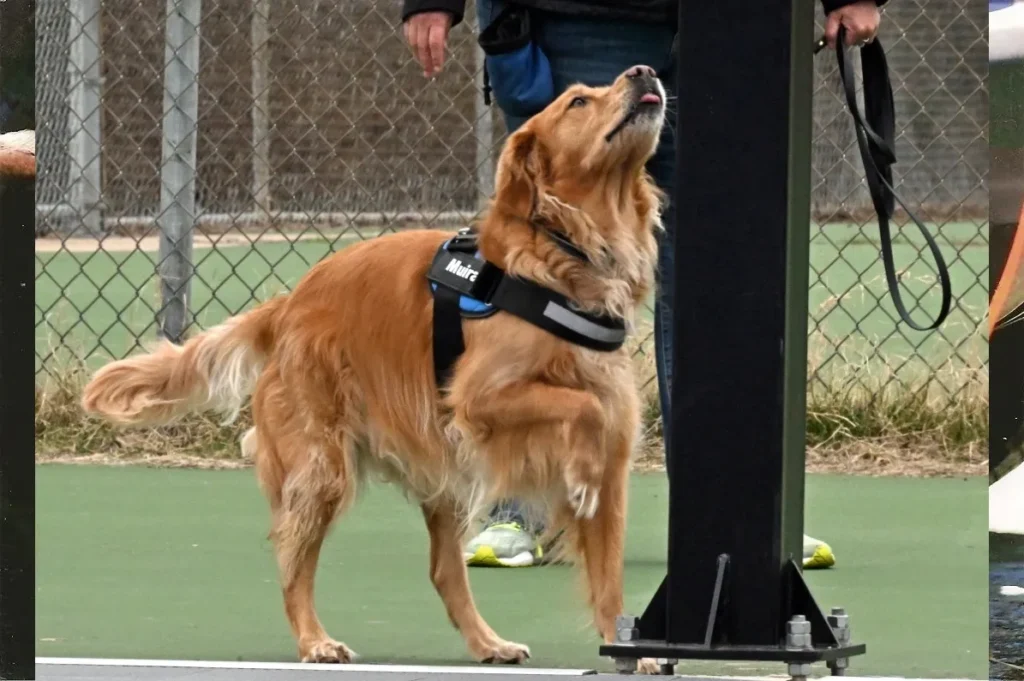
Ever tried teaching your rescue dog to navigate a maze of furniture while keeping their cool? Sounds chaotic, right? But what if I told you that “search with obstacles” could be the missing ingredient in transforming your anxious pup into an obedient superstar?
In this post, we’ll dive deep into why obstacle-based training works like magic for rescue dogs and how it helps build confidence, focus, and trust. You’ll learn step-by-step instructions, practical tips, real-life success stories, and answers to frequently asked questions—all designed to make both you AND your furry friend feel unstoppable.
Table of Contents:
- Why Obstacle-Based Training Works Wonders
- Step-By-Step Guide to Search with Obstacles
- Top Tips for Success
- Real-Life Examples of Transformation
- FAQs About Rescue Dog Training
Key Takeaways
- Search with obstacles strengthens problem-solving skills in rescue dogs.
- This method builds trust between owners and their pets by creating positive reinforcement loops.
- Start small and gradually increase complexity to avoid overwhelming your dog.
- Patience, consistency, and fun are non-negotiable in any successful training journey.
Why Obstacle-Based Training Works Wonders
I once spent two weeks trying to teach my newly adopted rescue dog, Luna, basic commands like “sit” and “stay.” No matter what I did, she just wouldn’t listen. Then I had my lightbulb moment—instead of forcing her to obey through repetition, I set up a tiny “search with obstacles” game in our living room. Suddenly, Luna was ENGAGED. She sniffed out hidden treats, figured out how to weave around chairs, and even *smiled* at me when she succeeded. That’s when I realized: traditional methods might work for some dogs, but rescue pups often need something more creative.
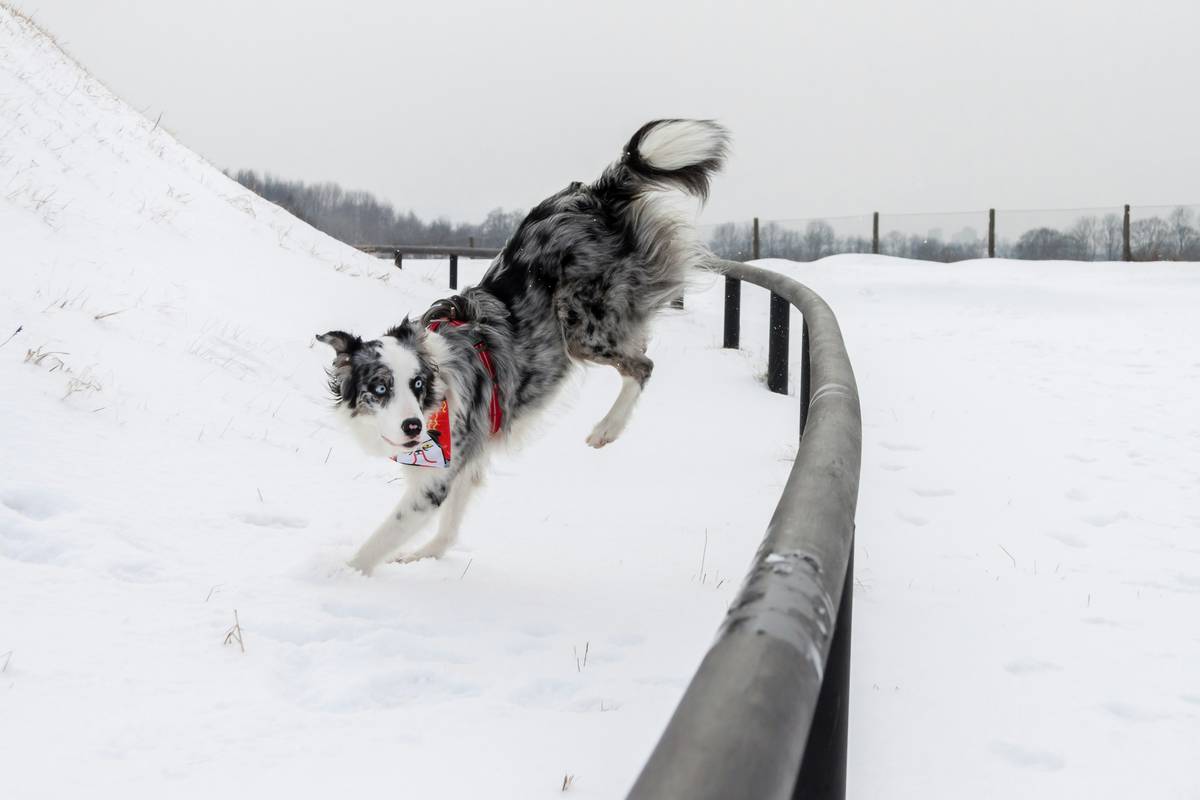
To truly understand why search with obstacles rocks, let’s break down its benefits:
- Boosts Confidence: Many rescue dogs carry emotional baggage. This type of training gives them victories they can celebrate daily.
- Enhances Focus: With distractions all over, mastering these challenges teaches your dog laser-sharp attention.
- Strengthens Bond: Every triumph becomes a bonding opportunity filled with praise and love.
Step-By-Step Guide to Search with Obstacles
Optimist You: “This sounds awesome—let’s get started!”
Grumpy You: “Ugh…does it involve crawling under tables myself?”
Don’t worry; there’s no crawling required (unless you want to join in on the fun). Here’s how to train your rescue dog using search with obstacles:
Step 1: Gather Supplies
You don’t need fancy equipment. Raid your house for things like:
- Boxes or bins as tunnels
- Towels draped over chairs for makeshift tents
- Treats (lots of ‘em!) or favorite toys
Step 2: Start Simple
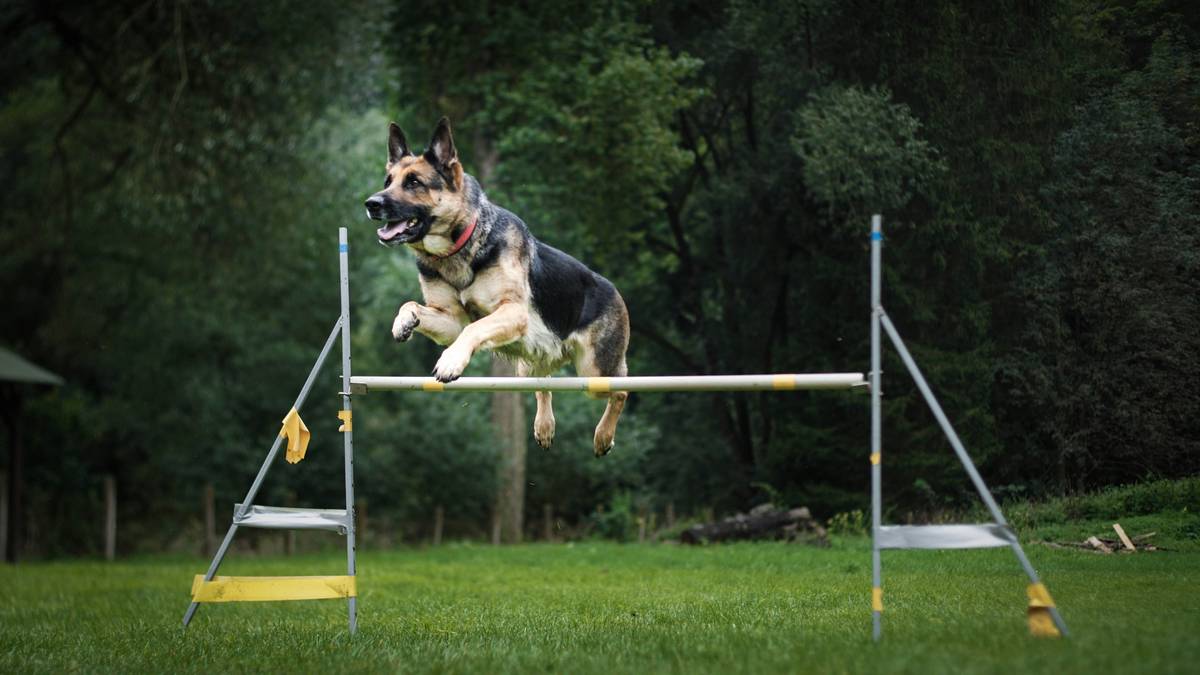
Create a mini course—a line of cones (or shoes), a short tunnel, and a low jump. Place treats along the way so your dog learns to associate searching and finding rewards.
Step 3: Introduce Commands
Pair each action with verbal cues: “Go find,” “Jump,” or “Weave.” Use enthusiastic tones to keep spirits high.
Step 4: Increase Complexity
Once your dog masters Level 1, add layers—time constraints, more intricate routes, or moving objects.
Step 5: Celebrate EVERY Win
Praise lavishly after every completed task. Positive reinforcement is king here!
Top Tips for Success
- Keep Sessions Short: Aim for 5–10 minutes per session to prevent burnout.
- Avoid Negative Reinforcement: Never scold or punish mistakes—they’re learning opportunities.
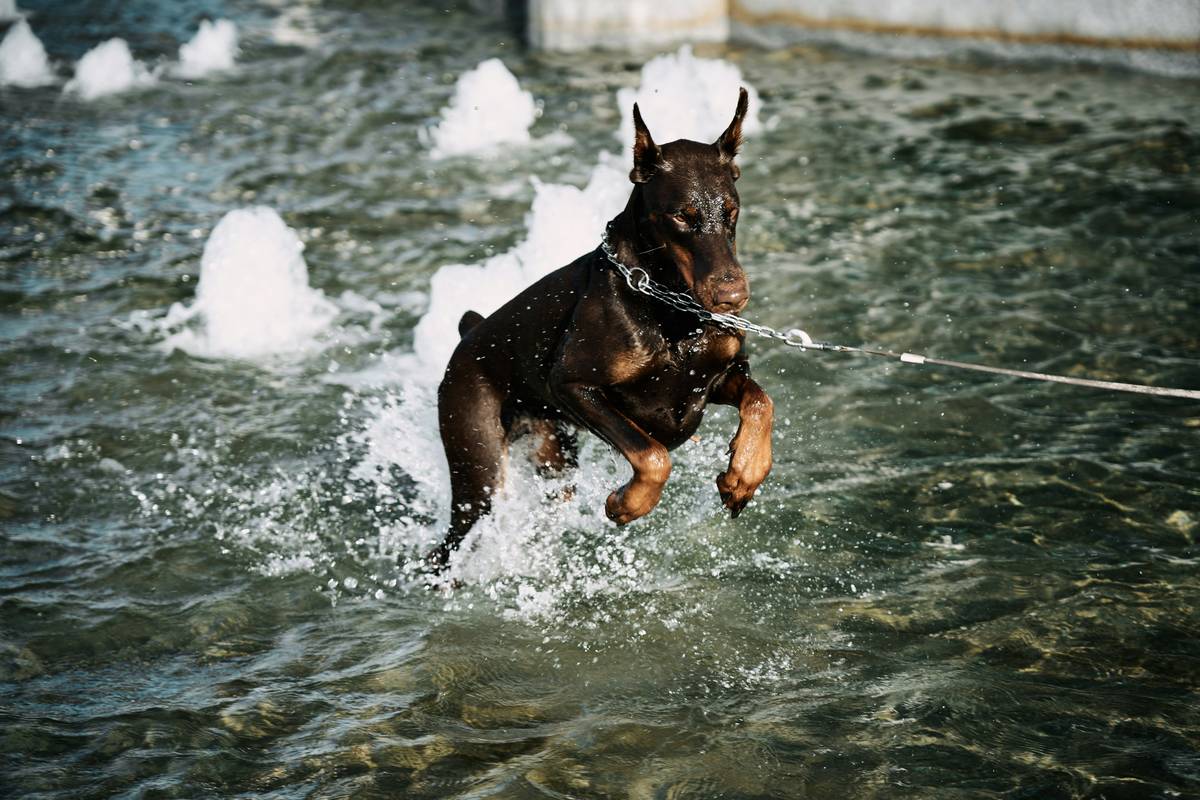
- Vary Locations: Rotate between indoors, outdoors, and different surfaces to test adaptability.
- Stay Consistent: Practice regularly to reinforce habits without gaps.
Real-Life Examples of Transformation
Take Max, a timid border collie mix who flinched at every sound. After three months of consistent search with obstacles, his owner reported he’d transformed into a confident adventurer—not only excelling at home courses but also thriving at local agility competitions.
And then there’s Bella, who came from a hoarding situation where socialization was nearly nonexistent. Her initial attempts were slow and hesitant, but her trainer stuck with it—and now? Bella’s favorite activity is competing in nosework events.
FAQs About Rescue Dog Training
Q: Can older rescue dogs still benefit from search with obstacles?
Absolutely! While younger dogs may pick up faster, seniors respond beautifully too—you just adapt exercises to suit mobility levels.
Q: What about reactive or fearful dogs?
For reactive pups, use scent-based searches initially since smells reduce anxiety better than visual stimuli.
Q: Is professional help worth it?
If resources allow, yes! A skilled trainer tailors programs specifically for your dog’s needs.
Conclusion
Training rescue dogs with search with obstacles isn’t just about obedience—it’s about giving them a second chance to shine. By implementing these steps and staying patient, you’ll not only see dramatic improvements in behavior but also deepen the bond you share.
Like a Tamagotchi, your training regimen requires daily care—but hey, isn’t watching your pup conquer obstacles totally chef’s kiss?