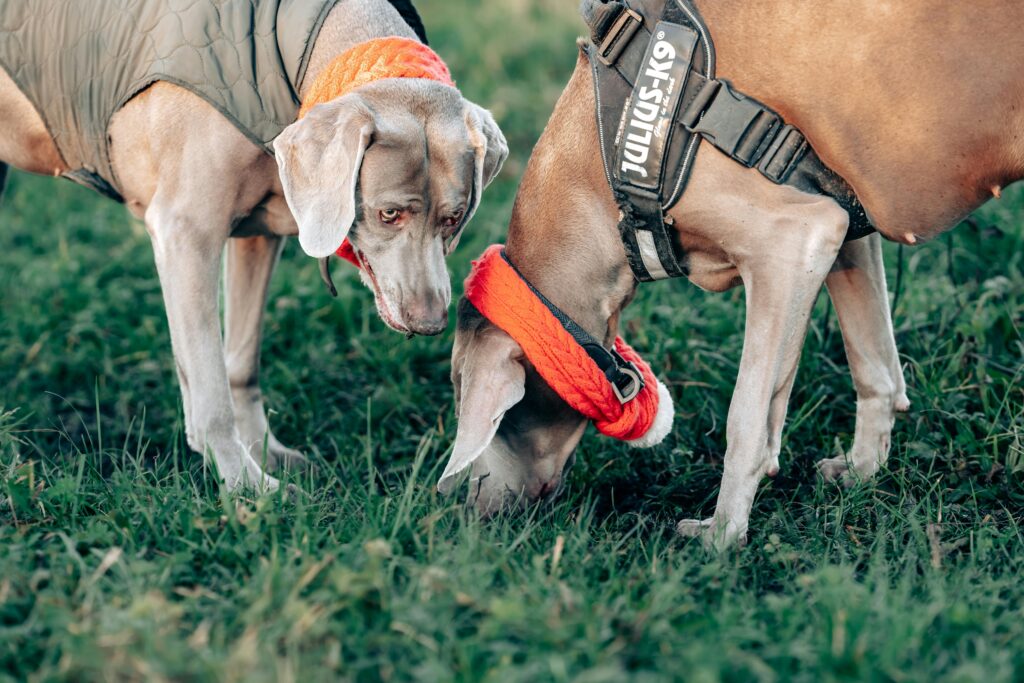
Ever wondered how your rescue dog could go from sniffing shoes to saving lives? Yeah, me too. Until I tried odor detection training, and it blew my mind—literally. My house smelled like wet socks meets old cheese after an “oops” moment involving peanut butter. But hey, that’s a story for later.
In this post, you’ll learn why odor detection training is a game-changer for rescue dogs (and their frazzled owners). We’ll cover:
- The science behind odor detection in rescue dogs
- A step-by-step guide to getting started
- Tips and best practices to keep your pup engaged
- Real-life success stories of rescue dogs turned heroes
- Answers to FAQs about training challenges
Table of Contents
- Key Takeaways
- Why Odor Detection Training Rocks
- Getting Started with Odor Detection Training
- Tips & Best Practices
- Success Stories That Will Inspire You
- FAQs About Rescue Dog Training
- Conclusion
Key Takeaways
- Odor detection training taps into your rescue dog’s natural instincts, boosting confidence and strengthening bonds.
- Start small by teaching basic cues before introducing scents like essential oils or food rewards.
- Persistence and patience are key—avoid overwhelming your pup with too many distractions early on.
- This type of training isn’t just fun; it can prepare your dog for advanced skills like search-and-rescue work.
Why Odor Detection Training Rocks
Optimist You: “Imagine turning Fido into the next Sherlock Holmes of sniffers!”
Grumpy You: “Yeah, right—if only he’d stop chasing squirrels first.”
Oof, rescue dogs come with baggage. Whether they’re dealing with anxiety, trust issues, or plain ol’ zoomies, training them feels like wrestling Jell-O sometimes. And let’s be real—that one time I accidentally trained my pup to sit ONLY when there was bacon involved nearly broke me.
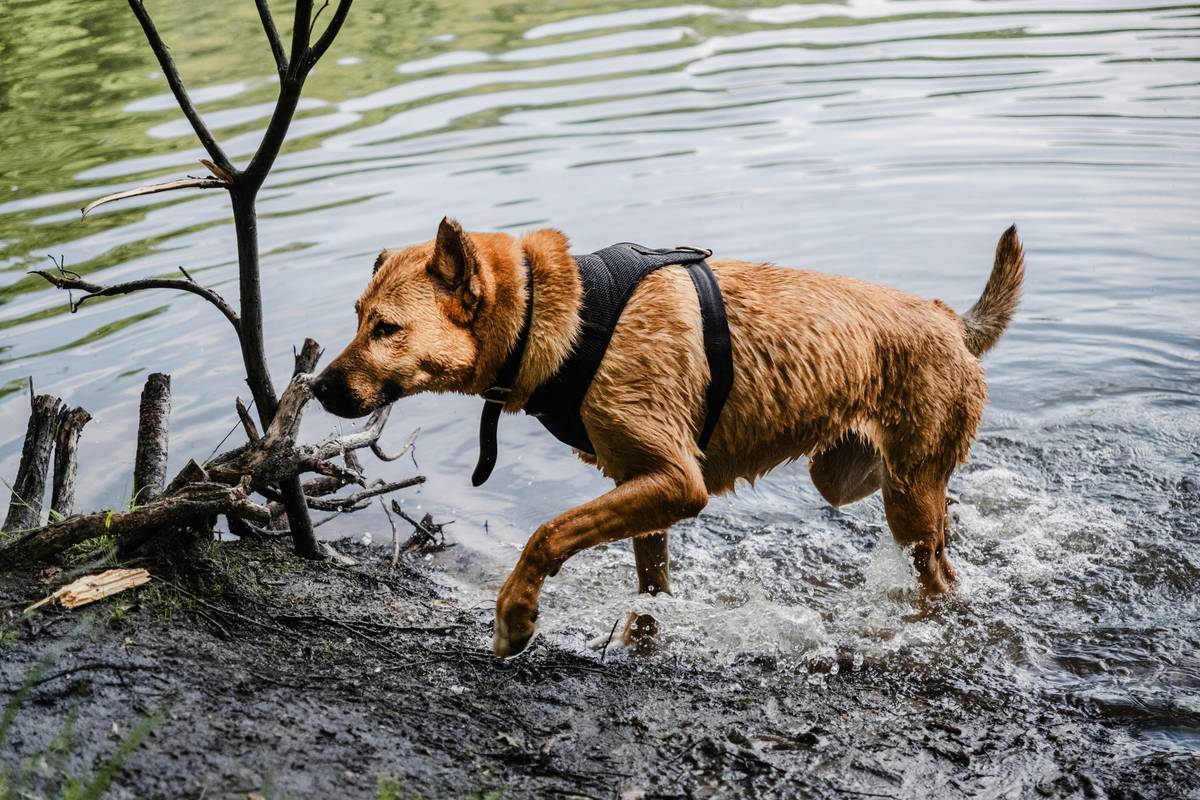
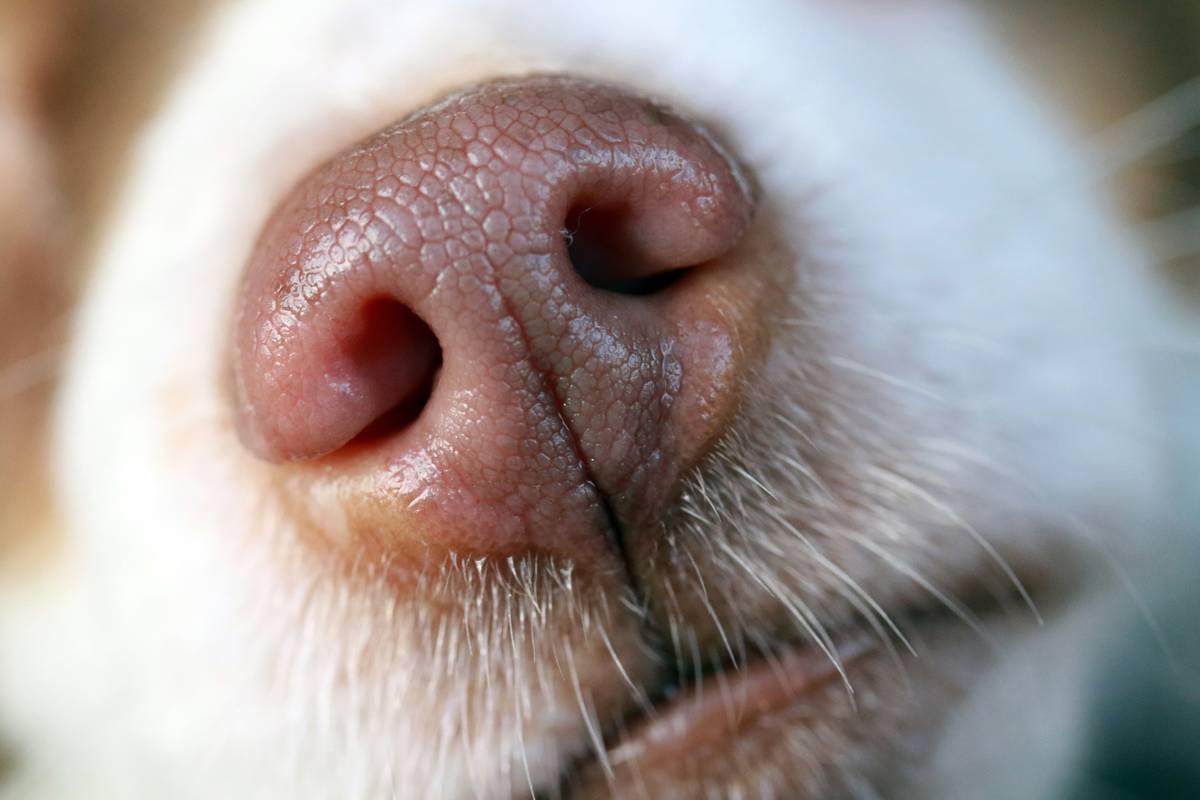
But here’s where odor detection training shines—it leverages what rescue dogs do best: SNIFF EVERYTHING. Dogs have up to 300 million olfactory receptors, compared to our measly 5 million. They’re basically walking noses. Teaching them to harness this power gives them purpose while making them feel like total rockstars.
Sounds great, but what if your dog doesn’t take to it immediately? Here comes the rant…
“Ugh, people always think training should work instantly. Newsflash: Ain’t no Insta filter gonna turn Rover into Lassie overnight!”
Getting Started with Odor Detection Training
Ready to transform Fluffy into a sniffin’, findin’ machine? Follow these steps:
Step 1: Choose the Right Scent
Not all scents are created equal. Start simple with something irresistible, like vanilla extract or birch oil (seriously, dogs LOVE birch).
Step 2: Introduce the Target Smell
Place the scent inside a jar lid or box. Let your dog investigate at their own pace without forcing anything.
Step 3: Reward Like Crazy
As soon as they show interest in the scent, shout “YES!” and give them a treat. Pro tip: Timing = everything. Miss the mark, and your pup might associate treats with staring blankly at walls instead.
Step 4: Add Distance Gradually
Once they’ve got the hang of finding the source, move the scent farther away. This builds focus and determination.
Tips & Best Practices
- Use High-Value Treats: Think chicken bits over kibble. Your dog needs motivation!
- Keep Sessions Short: Aim for 5–10 minutes per session to avoid burnout.
- End Positively Always: Finish each practice with playtime or praise. Negative vibes = no bueno.
- Avoid Overloading Stimuli: Don’t compete with loud noises or other distractions during sessions.
- Monitor Stress Signals: If your dog seems overwhelmed, scale back complexity.
Success Stories That Will Inspire You
Meet Max, a former stray who went from dumpster-diving diva to certified therapy dog through odor detection training. His human shared:
“Max used to bark nonstop whenever guests came over. Now, he stays calm because he knows his ‘job’ is to sniff out hidden objects.”

FAQs About Rescue Dog Training
Q: Can any breed benefit from odor detection training?
Absolutely! While hounds excel due to their strong sense of smell, even smaller breeds like Chihuahuas can thrive with proper guidance.
Q: What if my dog loses interest halfway?
Variety is key. Switch up scents or reward types. Also, ensure sessions aren’t too long—boredom kills enthusiasm faster than soggy pizza ruins lunch.
Q: Is professional help necessary?
Nope! DIY methods work wonders. However, hiring a trainer can provide structure if you’re feeling lost.
Conclusion
Training your rescue dog in odor detection not only stimulates their brain but also deepens your bond. Remember: it’s okay if things don’t click immediately. Every paw step counts.
So, ready to unleash your pup’s inner detective? Grab some treats, pick a scent, and watch the magic happen. Oh, and one final note…
sniff-scent-play-repeat
life less chaotic
dog more heroic