Ever tried training a rescue dog only to realize you’re outnumbered—by opinions? Welcome to the chaotic beauty of multi-handler teamwork.
Training a rescue dog can feel like herding cats while blindfolded. But what if we told you that *multi-handler teamwork* could be your secret weapon? In this guide, we’ll unpack how introducing multiple handlers into your rescue dog’s training journey can transform chaos into cooperation. You’ll learn why consistency matters, actionable steps for implementing multi-handler teamwork, and tips to avoid common pitfalls.
We’ll cover:
- The core challenges in rescue dog training (hint: trust issues).
- A step-by-step guide for building cohesive multi-handler teamwork.
- Actionable examples and brutal honesty about what NOT to do.
Table of Contents
- Key Takeaways
- Why Rescue Dogs Need Multi-Handler Teamwork
- How to Build a Seamless Multi-Handler System
- Top Tips for Effective Multi-Handler Teamwork
- Success Stories: When Multi-Handler Teamwork Works
- Frequently Asked Questions
Key Takeaways
- Rescue dogs often struggle with adjusting to new environments due to past trauma.
- Multi-handler teamwork improves consistency and builds trust through exposure to varied handling styles.
- Communication between handlers is critical; without it, confusion reigns supreme.
- Positive reinforcement remains king—even when working with multiple trainers!
Why Rescue Dogs Need Multi-Handler Teamwork
Imagine this: A sweet-but-skittish Labrador mix arrives at your home after months—or years—in shelter limbo. This pup doesn’t just need love; they need structure. And surprise: inconsistent commands from different family members or volunteers don’t exactly scream “safe haven.”
Without clear communication among trainers, things spiral fast. One handler says “sit,” another uses “stay close”—and suddenly your furry friend looks at everyone like they’ve lost their minds. That’s where *multi-handler teamwork* comes in.
But here’s the kicker: There isn’t always one “right” way to train. Instead, there are principles of consistency, patience, and shared understanding that make multi-handler systems not just functional but transformative.
How to Build a Seamless Multi-Handler System
Step 1: Assemble Your Dream Team
Optimist You: “Let’s get ALL the helpers involved!”
Grumpy You: “Ugh, fine—but set boundaries first.”
Select team members wisely. Each handler should understand basic obedience techniques and commit to positive reinforcement methods. Pro tip: Limit your team size to prevent overwhelm—a core crew of 2–4 works best.
Step 2: Standardize Commands & Cues
Trouble brews faster than spilled kibble if one person uses “down” and another prefers “lie down.” Create a universal language. Write out all cues and practice them together before involving the pup.
Step 3: Establish Clear Roles
Assign roles based on strengths. For instance, maybe Grandma excels at calming energy during walks, while Uncle Tim nails recall drills. Play to each handler’s unique skillset, ensuring no one feels overwhelmed.
Step 4: Schedule Regular Sync-Up Sessions
This ain’t optional. Weekly check-ins keep everyone aligned and give space to tweak strategies as needed. Think of these as team huddles—not therapy sessions (unless someone needs coffee therapy).
Top Tips for Effective Multi-Handler Teamwork
- Always Use Positive Reinforcement: Treats, praise, pets—keep it positive! Punishment creates fear, which ruins progress faster than leaving chew toys unattended.
- Maintain Consistency Across Handlers: If Rover gets treats for sitting from Dad, he shouldn’t expect scolding from Mom. Uniformity = sanity.
- Avoid Overtraining: Too many cooks spoil the broth—and too much handling tires out both humans and pups alike.
- Embrace Failure Gracefully: Confession time: I once accidentally taught my foster dog to sit *only* under chairs because half my team reinforced weird behavior. Oops.
Pro Tip: Don’t let ego ruin teamwork. Every handler has room to grow—including YOU.
Success Stories: When Multi-Handler Teamwork Works
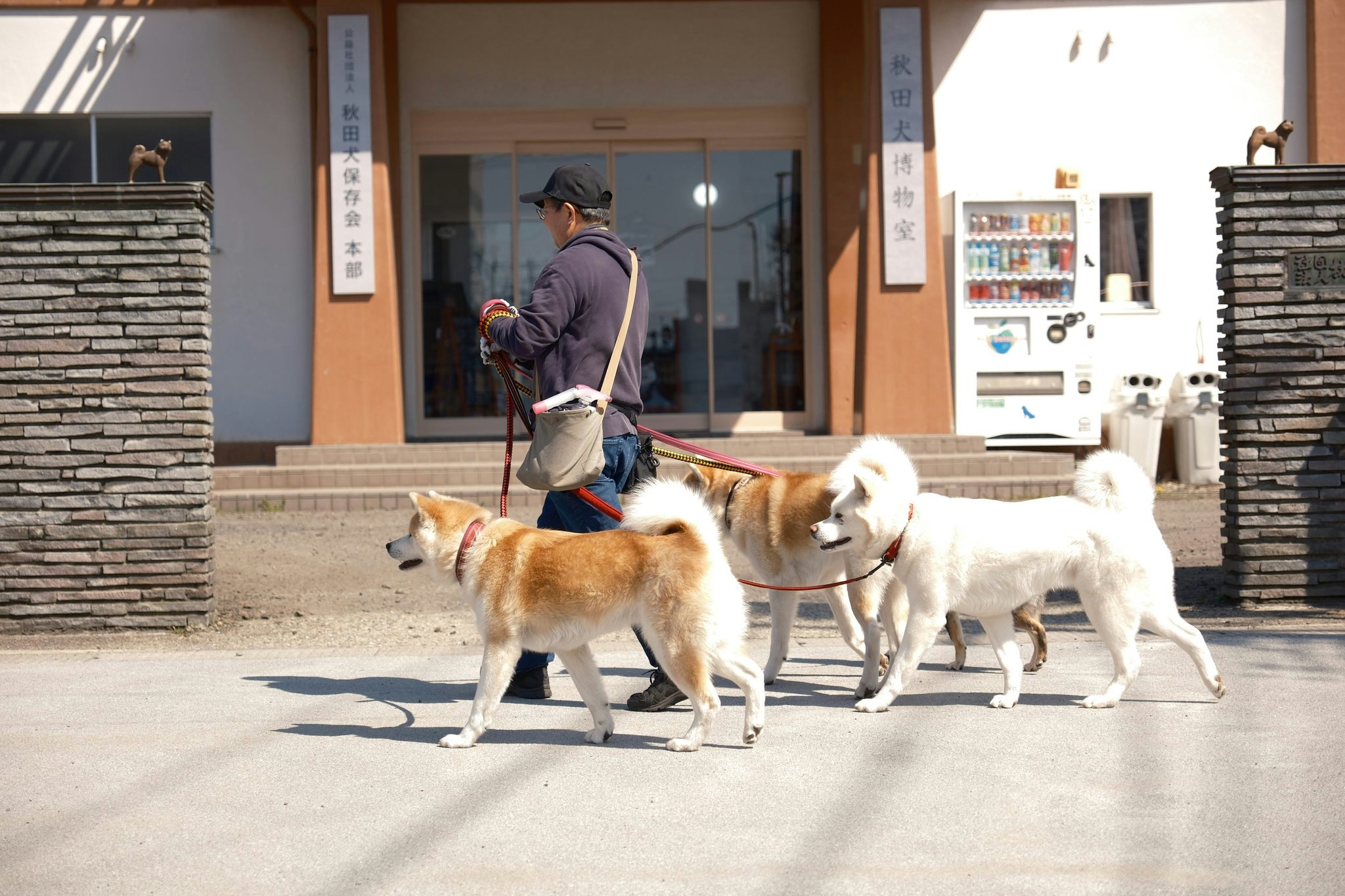
Case Study #1: Meet Bella, a fearful hound rescued from hoarding conditions. Initially reactive to strangers, Bella thrived thanks to a dedicated four-person team who communicated religiously via group chats. Within six weeks, she mastered leash walking—even greeting visitors confidently!
Case Study #2: Max, an energetic pit bull mix, struggled with staying focused during outdoor distractions. His owners enlisted help from a professional trainer AND incorporated neighbor teens into daily short exercises. Result? A balanced boy who now shines in agility courses!
Frequently Asked Questions
Q: How many handlers should work with a rescue dog?
A: Start small—two to four trusted individuals—to minimize stress for the dog. Expand gradually once foundational behaviors solidify.
Q: Can multi-handler teamwork backfire?
A: Absolutely! Without proper coordination, conflicting commands confuse dogs further. Avoid overloading your pup with too many voices early on.
Q: Should kids participate in multi-handler teams?
A: Yes—if supervised and trained properly. Kids bring fresh enthusiasm but must follow guidelines strictly to maintain consistency.
Conclusion
Multi-handler teamwork transforms rescue dog training from solo juggling acts into harmonious symphonies of collaboration. Remember, success hinges on communication, consistency, and compassion. With these tools, even the most traumatized pup can blossom into a confident companion.
So go ahead—recruit those helpers, create your game plan, and watch magic unfold. Oh, and remember…
Whistles blow, clicks click,
Paws tap softly on the ground—
Teamwork makes dreams real.