Ever tried to train a rescue dog, only to feel like you’re shouting into the void? Yeah, we’ve been there. Handler-dog communication is the secret sauce that transforms chaos into connection—but getting it right isn’t always intuitive. So, how do you bridge the gap between human and hound?
In this guide, we’ll dive deep into Handler-Dog Communication, uncovering actionable strategies, common pitfalls, and real-life success stories specifically tailored for rescue dog training. You’ll also learn tips from experts in the field (and yes, coffee will be involved).
Table of Contents
- Key Takeaways
- Why Handler-Dog Communication Matters
- Steps to Improve Handler-Dog Communication
- Pro Tips for Mastering Communication
- Real-Life Examples of Successful Training
- Frequently Asked Questions
- Conclusion
Key Takeaways
- Effective handler-dog communication builds trust and accelerates learning.
- Rescue dogs often require patience, consistency, and positive reinforcement.
- Non-verbal cues—like body language—are just as important as verbal commands.
- Common mistakes include overloading your dog with instructions or using inconsistent signals.
- Experts recommend starting small, rewarding progress, and avoiding punishment-based methods.
Why Handler-Dog Communication Matters

Did you know that studies show nearly 60% of adopted rescue dogs struggle with behavior issues due to poor early socialization? That’s right—these pups didn’t come equipped with an instruction manual. When a handler communicates effectively, they provide clarity and security, two things many rescue dogs desperately crave.
On the flip side, miscommunication can lead to frustration on both ends. Picture this: I once said “down” while my hands gestured “sit.” My dog gave me what can only be described as an awkward half-squat, confused AF. Moral of the story? Consistency is key.
Steps to Improve Handler-Dog Communication
Step 1: Start With Basic Commands

Optimist You: “Let’s jump straight into agility courses!”
Grumpy You: “Ugh, fine—but first, teach them ‘sit.’”
Begin by mastering foundational commands like “sit,” “stay,” and “come.” Use short phrases paired with consistent hand gestures. For example, when saying “sit,” raise your palm upward as if signaling stop.
Step 2: Incorporate Positive Reinforcement
Reward good behavior immediately after it happens. Treats, praise, or toys work wonders. Pro tip: Save the highest-value treats for challenging tasks.
Step 3: Learn to Read Your Dog’s Body Language
Your dog communicates too! Tail wags, ear positions, even yawns—they’re all telling you something. Consult trusted sources like the ASPCA for detailed insights into canine body language.
Pro Tips for Mastering Communication
- Be Patient: Rome wasn’t built in a day, and neither is flawless handler-dog communication.
- Avoid Overloading Commands: Stick to one new cue at a time.
- Tailor Your Approach: Every dog is unique—adjust based on their personality and history.
- Practice Daily: Like a Tamagotchi, consistency keeps skills alive.
- Ditch Punishment-Based Methods: Negative reinforcement erodes trust fast.
Real-Life Examples of Successful Training
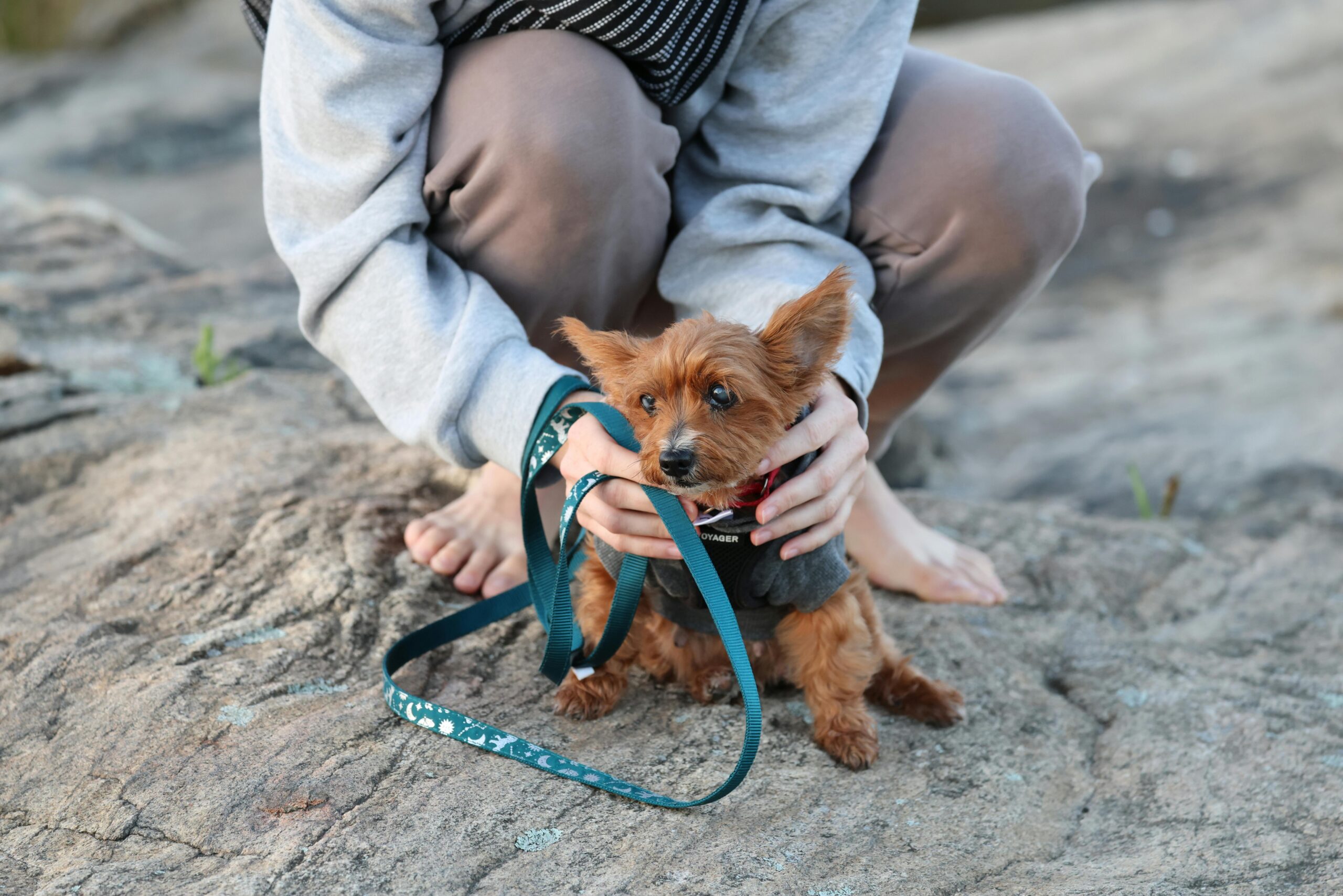
Meet Max, a former stray who went from fearful barker to therapy dog superstar thanks to handler-dog communication mastery. His owner focused on non-verbal cues and gradual desensitization, proving that slow wins are lasting wins.
Frequently Asked Questions
What if my dog doesn’t respond to verbal commands?
Try emphasizing non-verbal cues like hand signals. Dogs pick up visual information faster than spoken words.
How long does it take to see results?
It varies, but most dogs begin responding within weeks of consistent practice.
Can older rescue dogs still learn?
Absolutely! Age is no barrier; patience and repetition are all you need.
Conclusion
Training a rescue dog takes heart, hustle, and heaps of handler-dog communication. Remember, every pup deserves a chance to thrive—and you hold the keys to unlocking their potential.
So grab that leash (and maybe another cup of coffee), and let’s get training. After all, the bond you build today might just save tomorrow.
P.S.: It’s totally okay if your session sounds like your laptop fan during a 4K render. Whirrrr.
Haiku Time:
Paws meet open hearts,
Words flow where silence falters,
Together we grow.