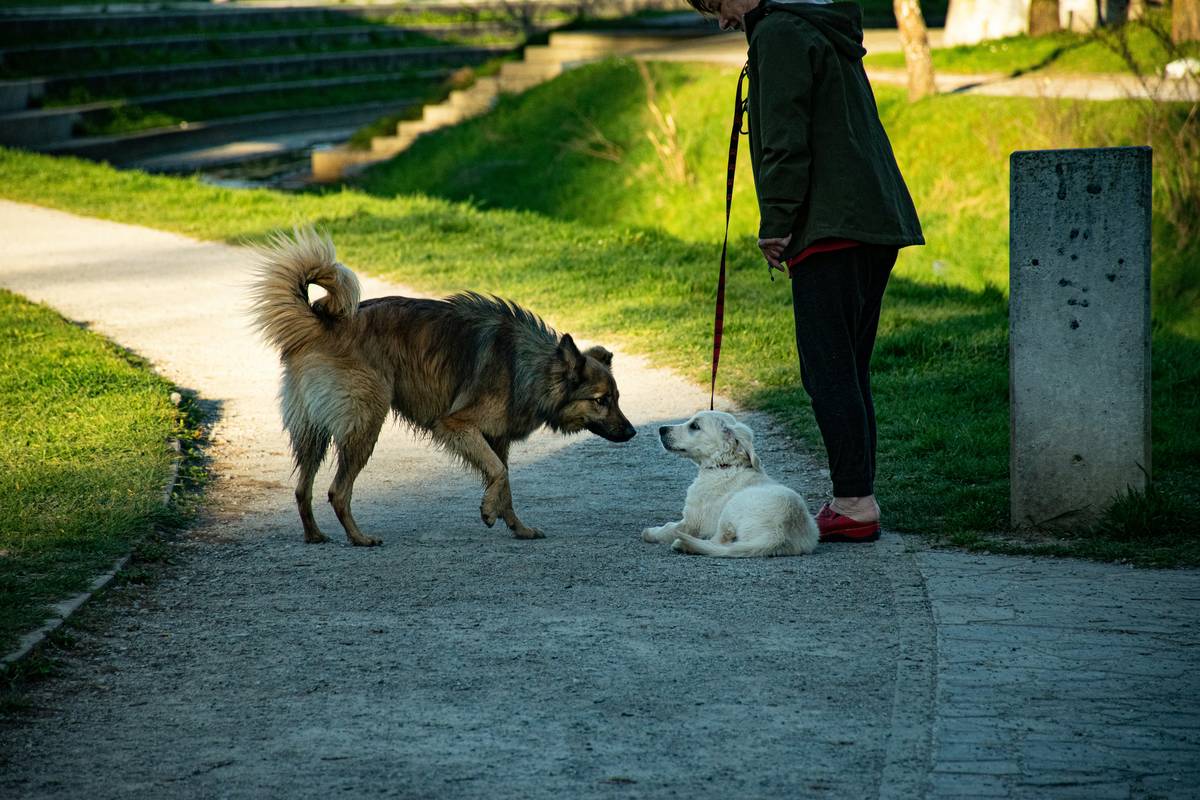
Ever tried training a rescue dog only to feel like you’re failing at every turn? You’re not alone. In fact, nearly 40% of adopters face challenges integrating their new fur baby into daily life. But here’s the twist—what if you didn’t have to go it alone? That’s where a collaborative rescue effort comes in. By teaming up with trainers, vets, and fellow pet parents, you can create an unbeatable support system that sets both you and your pup up for success.
In this post, we’ll dig into why collaboration matters, how to assemble your dream team, and actionable steps to train your rescue dog effectively. Ready to make magic happen?
Table of Contents
- Key Takeaways
- Why Collaboration Matters in Rescue Dog Training
- Assembling Your Dream Team
- Step-by-Step Guide to Effective Training
- Tips & Best Practices for Success
- Real-Life Examples of Successful Collaborations
- FAQs About Collaborative Rescue Efforts
- Conclusion
Key Takeaways
- A collaborative rescue effort involves working with experts and peers to train your rescue dog more effectively.
- Building trust is essential when working with a rescue dog; patience and consistency are non-negotiable.
- Leverage tools like clicker training, reward systems, and group classes to accelerate progress.
- Success stories show that teamwork leads to faster integration and happier pets.
Why Collaboration Matters in Rescue Dog Training
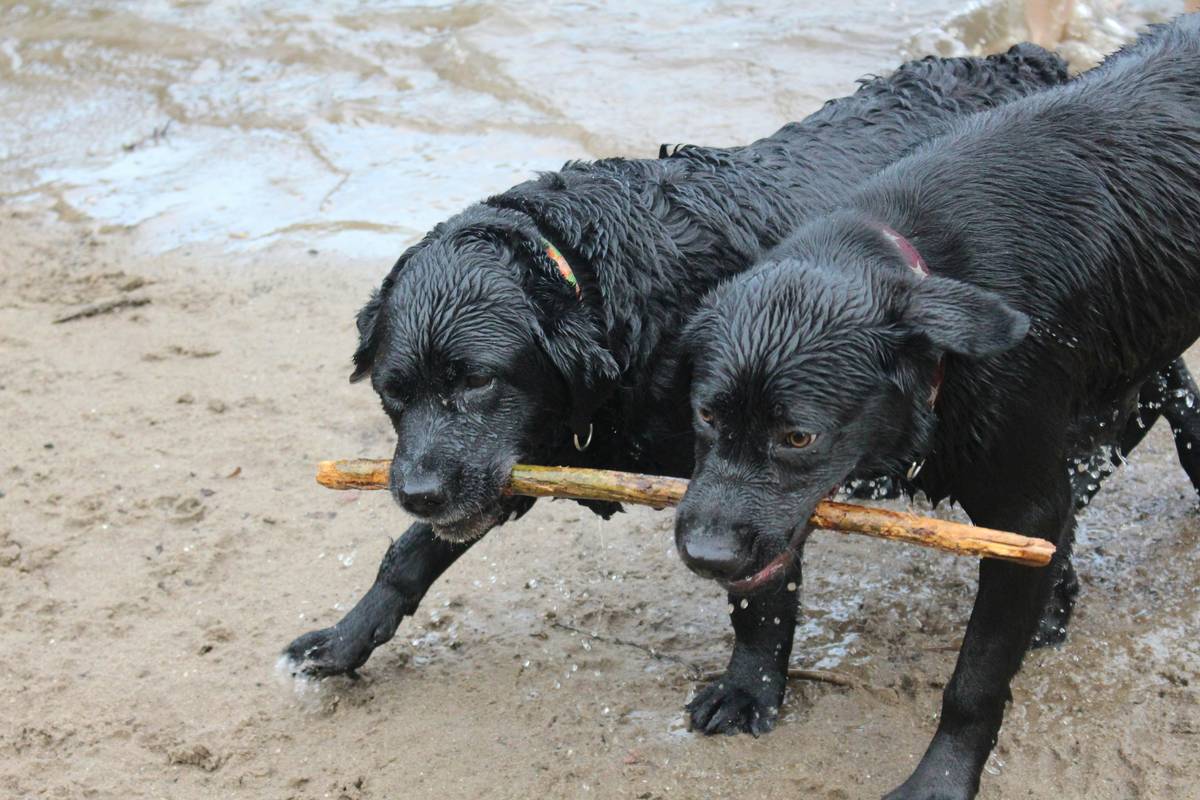
Let me paint a picture: Picture this—you’ve just adopted Max, a scruffy terrier mix who spent years wandering from shelter to shelter. His tail wags nervously whenever someone approaches him, but he perks up when offered treats. Sounds familiar? Now, imagine trying to teach Max basic commands without professional guidance or peer advice. Spoiler alert: It’ll probably end in frustration—and maybe even tears.
Here’s the deal: Rescue dogs come with unique baggage. Some may be fearful due to past trauma, while others lack socialization skills. A solo approach often falls flat because these pups need tailored care. Enter the power of collaboration:
- Expert Guidance: Professional trainers understand behavioral issues better than Google ever will.
- Emotional Support: Fellow adopters get it—they’ve been there.
- Faster Progress: Shared knowledge means fewer trial-and-error moments.
Assembling Your Dream Team
Okay, so you’re sold on the idea of collaboration—but how do you find the right people? Let’s break it down step by step:
1. Find a Reputable Trainer
This is crucial. Look for someone experienced with rescue dogs specifically. Ask around at local shelters or vet offices for recommendations. Bonus points if they emphasize positive reinforcement techniques—it’s truly chef’s kiss for sensitive souls.
2. Connect with Vet Partners
Veterinary pros aren’t just for shots and checkups—they’re invaluable during training. They can rule out medical causes behind bad behavior (like accidents stemming from UTIs).
3. Join Online Communities
Reddit threads, Facebook groups, Instagram hashtags (#RescueDogLife, anyone?)—these virtual hubs are brimming with wisdom. Share struggles, cheer wins, and steal shamelessly good ideas.
Confessional Fail: I once posted a question in a popular pet forum asking whether my dog was “too stubborn.” Turns out, she had undiagnosed hip dysplasia. Oops! Lesson learned: Always consult professionals before labeling your pup as disobedient.
Step-by-Step Guide to Effective Training
Optimist You: “Training a rescue dog is totally doable!”
Grumpy You: “Only if snacks are involved…”
Alright, let’s dive into some practical steps:
- Assess Their Needs: Identify specific problems (e.g., leash pulling, fear aggression).
- Establish a Routine: Dogs thrive on structure. Meal times, walks, play sessions—all should follow a predictable schedule.
- Use Clicker Training: This method works wonders for clear communication between human and canine brains.
- Join Group Classes: Socializing your rescue dog helps build confidence. Plus, watching other handlers struggle makes you feel less alone!
- Celebrate Small Wins: Did Fido sit on command without lunging for food? Throw a mini party!
Tips & Best Practices for Success
- Ditch the guilt trips—they’re useless anyway.
- Stick with short training bursts (5–10 minutes max); dogs lose focus quickly.
- Never punish fear-based behaviors. Terrible Tip Alert: Scolding won’t fix anxiety—it’ll worsen it.
- Invest in quality gear (leash, collar, harness) designed for comfort and control.
- Track progress through journaling or photos. Seeing improvement over time is insanely satisfying.
Real-Life Examples of Successful Collaborations
Rented a story straight from Reddit: One user shared how joining forces with a trainer AND a groomer turned their reactive pitbull into the neighborhood sweetheart. The key? Consistency across all interactions. Another success tale involves a multi-species household (cats + dogs) mastering coexistence thanks to weekly Zoom calls with a certified animal behaviorist. Talk about creative problem-solving!
FAQs About Collaborative Rescue Efforts
Q: What exactly IS a ‘collaborative rescue effort’?
A: It’s partnering with trainers, veterinarians, and fellow adopters to provide holistic support for your rescue dog’s training journey.
Q: Can I pull this off on a budget?
Absolutely! Many shelters offer free workshops, and online resources abound. Prioritize affordable yet effective strategies like walking clubs or bartering services.
Q: How long does it take to see results?
Every dog is different. Generally speaking, expect noticeable improvements within 4–6 weeks of consistent effort.
Conclusion
Training a rescue dog isn’t easy—but it sure is rewarding. By embracing a collaborative rescue effort, you tap into a wealth of expertise and empathy that transforms struggles into triumphs. So grab that leash, gather your squad, and remember: Even the tiniest waggle holds promise.
And hey, one last thing:
Whistle blows,
Paws meet pavement,
Together we grow.
Like Frodo needing Samwise, your rescue dog needs YOU—and your amazing team.