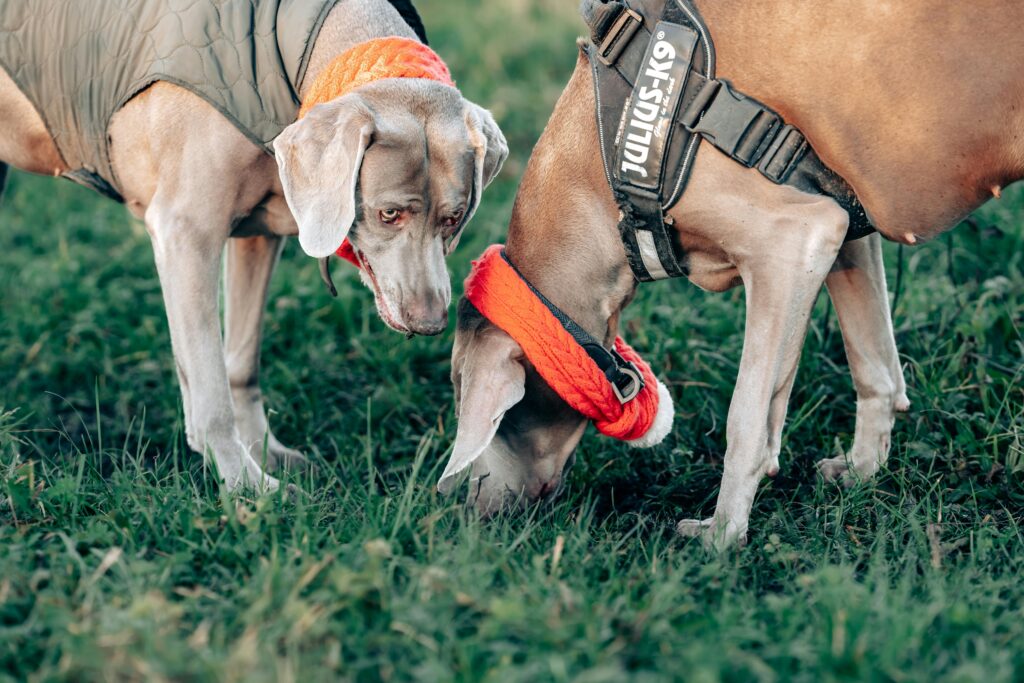
“Ever tried teaching a rescue dog to find its way using scent only to end up more confused than they are? You’re not alone.”
Rescue dogs have an amazing ability to adapt and thrive, especially when it comes to specialized training like pet scent tracking. Not only does this skill boost their confidence, but it also brings joy and purpose into their lives—and yours! In this guide, you’ll discover how to transform your rescue dog into a skilled pet scent tracking dog through proven methods, practical tips, and expert advice.
Table of Contents
- Why Pet Scent Tracking Matters for Rescue Dogs
- Step-by-Step Guide to Training Pet Scent Tracking Dogs
- Best Practices and Tips for Success
- Real-Life Examples & Case Studies
- FAQs About Training Rescue Dogs for Scent Tracking
Key Takeaways
- Pet scent tracking taps into a dog’s natural instincts, making it ideal for rescue dogs with high energy levels or anxiety.
- A step-by-step approach helps build trust and enhances communication between you and your dog.
- Consistency, patience, and positive reinforcement are non-negotiables in successful scent training.
- Stories from real owners show the transformative power of scent tracking on both behavior and bonding.
Why Pet Scent Tracking Matters for Rescue Dogs
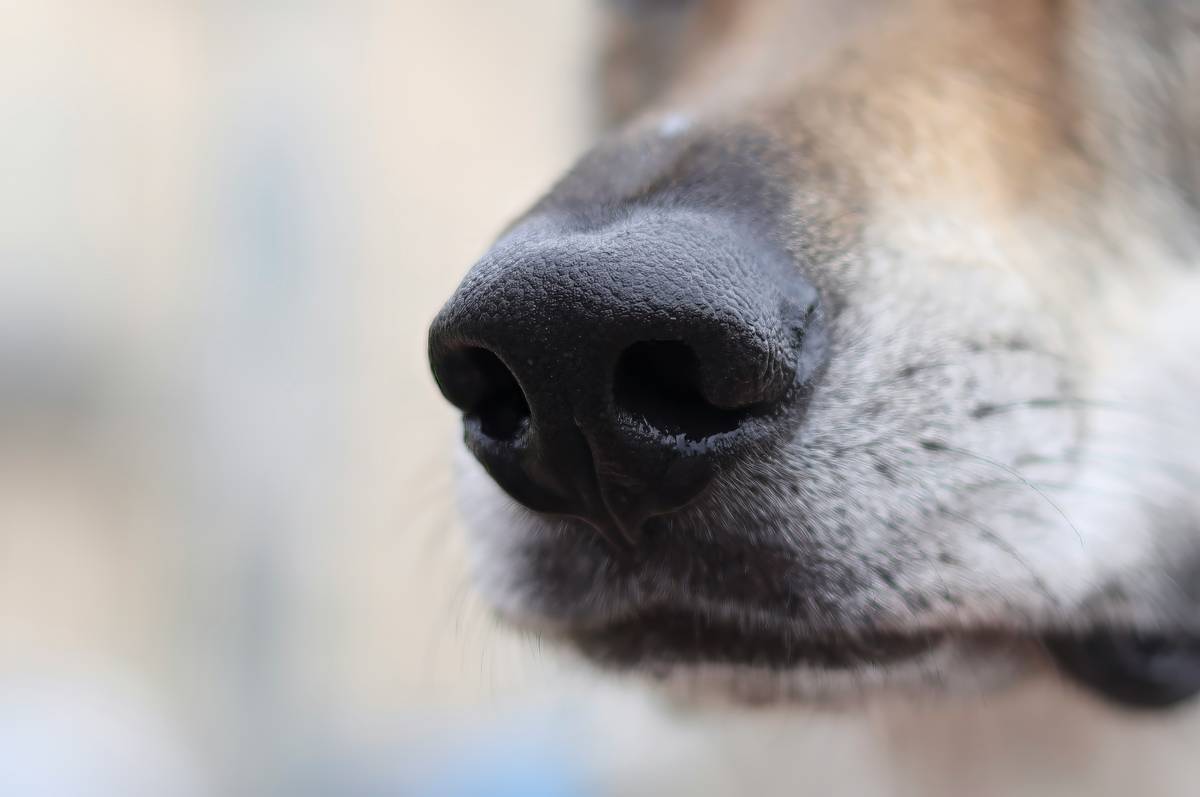
“Dogs live in a world of smells.” Ever noticed how your rescue pup can sniff out hidden snacks under furniture faster than you can blink? That’s because their sense of smell is 10,000 to 100,000 times stronger than ours (yeah, science).
For many rescue dogs, adjusting to a new home brings challenges like fear, nervousness, or even destructive behaviors. Scent tracking offers these furry friends mental stimulation and physical exercise, which helps redirect anxious energy toward something productive. Plus, it strengthens your bond while giving them a job—a win-win!

Step-by-Step Guide to Training Pet Scent Tracking Dogs
Optimist You: “Follow this simple plan!”
Grumpy You: “Ugh, fine—but only if treats are involved.”
1. Start with Basic Obedience
No matter how eager your pup is to track scents, obedience lays the groundwork. Commands like “sit,” “stay,” and “come” give you better control during training sessions. Bonus points if you sprinkle treats liberally—your dog won’t complain.
2. Introduce Them to Scents
Begin by introducing one distinct scent (like lavender oil, vanilla extract, or even a favorite toy). Place it close enough for easy discovery at first, then gradually increase the distance. Reward every success with praise and snacks—it’s all about creating positive associations.
3. Practice Short Tracks
Create short trails indoors before moving outside. Lay down a scent path along a hallway or around the living room. Encourage your dog to follow it, cheering enthusiastically when they reach the end. Keep sessions fun and brief to hold their attention.
4. Gradually Increase Complexity
As your rescue dog gains confidence, start adding distractions, curves, or longer tracks. This keeps things challenging without overwhelming them. Remember: Progress takes time, so resist rushing.
Best Practices and Tips for Success
- Tip #1: Use High-Value Rewards – Think juicy chicken bits, cheese cubes, or squeaky toys.
- Tip #2: Stay Calm & Patient – Training requires consistency; don’t let frustration seep in.
- Tip #3: Make Sessions Playful – Turn each session into an exciting game rather than a chore.
- Warning: Avoid Overtraining! Dogs aren’t machines—they need breaks just like we do.
Real-Life Examples & Case Studies
Meet Bella, a rescue pitbull mix who was shy and unresponsive when adopted. Her owner started scent tracking exercises twice a week. Within three months, Bella blossomed into a confident tracker, excelling in local competitions. Her story proves that any dog—no matter their background—can rise to greatness with the right support.
FAQs About Training Rescue Dogs for Scent Tracking
Q: Do I need expensive equipment?
Absolutely not! Most trainers use household items like scented cotton balls or essential oils. It’s about technique, not tools.
Q: Can older dogs learn scent tracking?
Yes! Age isn’t a barrier—dogs remain eager learners throughout life.
Q: What breeds excel at scent tracking?
All breeds can track scents, though hounds and shepherds often shine due to natural instincts.
Conclusion
Training rescue dogs as pet scent tracking dogs isn’t just effective—it’s rewarding beyond measure. Whether you’re looking to channel excess energy or strengthen your bond, this journey will leave lasting impacts on both sides of the leash. So grab some treats, head outside, and watch your rescue pup flourish!
And hey, remember: Like chasing a tennis ball in slow motion, every little step counts.