Ever tried training a rescue dog, only to feel like you’re speaking two entirely different languages? You’re not alone. Thousands of pet parents struggle with integrating these loving animals into their homes. But what if I told you that one of the most powerful tools in your arsenal isn’t a clicker or treat—it’s actually your dog’s nose? Let’s explore how mastering pet scent detection can revolutionize your rescue dog training experience.
In this post, we’ll uncover why scent-based training is so effective for rescue dogs, outline step-by-step instructions to get started, and share tips to avoid common mistakes. By the end, you’ll know exactly how to harness your pup’s sniffing superpower!
Table of Contents
- Why Pet Scent Detection Matters for Rescue Dogs
- Your Step-by-Step Guide to Teaching Scent Detection
- Tips and Best Practices for Success
- Inspirational Real-World Examples
- Frequently Asked Questions (FAQs)
Key Takeaways
- Pet scent detection builds confidence in rescue dogs by tapping into their natural instincts.
- A structured yet playful approach ensures progress without overwhelming your pup.
- Avoid pushing too fast—patience is key when working with trauma-sensitive animals.
- Success stories show how scent work transforms even the shyest rescues into happy, confident companions.
Why Pet Scent Detection Matters for Rescue Dogs
Let’s start with an uncomfortable truth: many rescue dogs come from backgrounds filled with neglect, fear, or worse. As a result, traditional obedience training can sometimes backfire because it triggers stress instead of trust. That’s where pet scent detection shines.
Scenting is second nature to dogs—they have up to 300 million olfactory receptors, compared to our measly 5–6 million. Tapping into this skill allows them to focus on something positive while rebuilding their self-confidence. And let’s be honest—who doesn’t love watching a dog light up as they excel at something?
Confessional Fail Warning: Once, I attempted teaching my foster dog “sit” repeatedly during walks. Not only did he ignore me completely, but he also started refusing to walk altogether. Talk about epic fail.
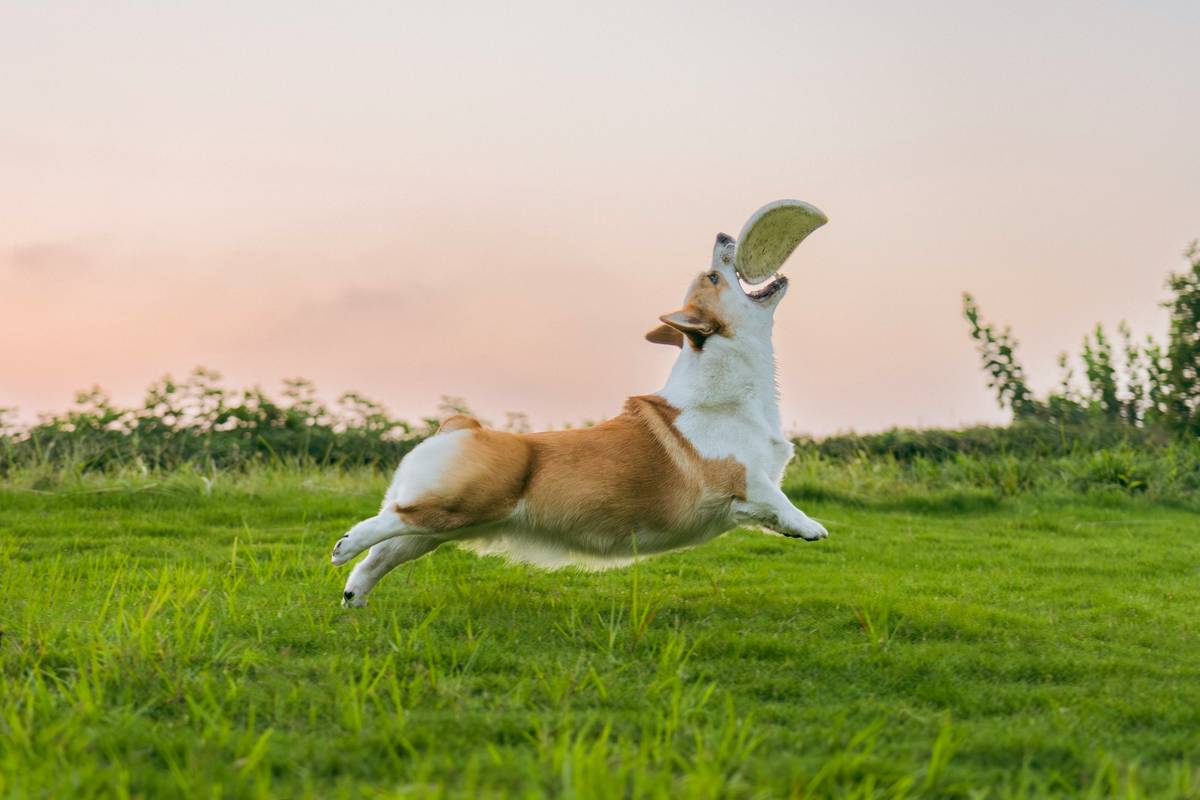
Instead of forcing commands, switching to games involving pet scent detection turned things around almost instantly. Suddenly, his tail wagged, his eyes sparkled, and I could almost hear him whisper, “Finally—you speak my language!”
Your Step-by-Step Guide to Teaching Scent Detection
Step 1: Choose the Right Scent
Start simple with easy-to-find items like treats, toys, or essential oils diluted in water. For example, dabbing a cotton ball with vanilla extract works wonders since it’s safe and recognizable.
Optimist You: “This will be fun!”
Grumpy You: “Ugh, fine—but clean up after spills immediately.”
Step 2: Introduce the Target Odor
Show your dog the scented item and reward heavily whenever they show interest. This sets the foundation for associating the smell with positivity.
Step 3: Hide the Item
Begin hiding the object in plain sight, like under a towel or inside a box. Gradually increase difficulty as your dog masters each level.
Step 4: Add Distractions
Toss in distractions like other toys or smells once they’ve nailed the basics. The goal? To teach focus amidst chaos—a crucial skill for any rescue dog.
Tips and Best Practices for Success
- Keep Sessions Short: Rescue dogs thrive on short bursts of mental stimulation. Aim for 5–10 minutes max per session.
- Use High-Value Rewards: Think cheese cubes or chicken bits, not kibble. Yes, it’s bribery—but totally worth it.
- Avoid Pressuring Them: If they seem unsure, revert to easier tasks and build back up slowly.
- Create a Ritual: Always signal the start of scent time with a specific phrase, like “Find it!”
Rant Alert: Honestly, I cannot stand people who rush through pet training just to “check boxes.” Would you want someone breathing down YOUR neck every time you made a mistake? Same goes for pups.
Inspirational Real-World Examples
Take Max, a timid terrier mix adopted from a shelter. His new owner introduced him to pet scent detection using a favorite squeaky toy hidden around the house. Fast forward six months, and Max now competes in nosework competitions—and absolutely crushes it.
Or consider Luna, a fearful pitbull who wouldn’t leave her crate for weeks. Her family discovered her passion for finding lavender-scented cloths. Today, she confidently explores parks, trails, and everywhere else life takes her.
Frequently Asked Questions (FAQs)
Q: Is scent detection suitable for all rescue dogs?
A: Absolutely! Every dog has a nose—even those who act disinterested initially often grow to love it.
Q: Do I need special equipment to practice pet scent detection?
A: Nope. Everyday household items like socks, jars, and blankets work perfectly.
Q: What makes scent training better than basic obedience?
A: Scent activities engage your dog’s mind deeply, which helps reduce anxiety and improve overall behavior.
Conclusion
Harnessing the power of pet scent detection isn’t just another trick—it’s a lifeline for rescue dogs navigating uncertain waters. With patience, consistency, and lots of rewards, you’ll unlock a world of joy for both you and your furry friend.
Remember: Like a Tamagotchi, your SEO needs daily care.
Here’s a haiku to wrap things up:
Sniff, search, find delight,

Noses lead the way home—true.

Trust the doggy path.