Ever noticed your rescue dog sniffing out that hidden treat stash like a furry Sherlock Holmes? Well, what if we told you that their nose knows more than just where the kibble is? Dog scent training isn’t just for bomb-sniffing police dogs or fancy hunting breeds—it’s a game-changer for ANY pup—especially rescue dogs. Stick around to discover how this simple yet powerful technique can transform your anxious ball of fluff into a confident companion.
Table of Contents
- Key Takeaways
- What Is Dog Scent Training?
- Why It Matters for Rescue Dogs
- Step-by-Step Guide to Scent Training
- Pro Tips for Success
- Real-Life Success Stories
- FAQs About Dog Scent Training
- Conclusion
Key Takeaways
- Dog scent training taps into your rescue dog’s natural instincts, helping build trust and confidence.
- It’s not complicated—you only need treats, patience, and a bit of creativity.
- This method works wonders calming anxiety in fearful rescues while strengthening your bond.
What Exactly Is Dog Scent Training?
Let me paint you a little picture: My first attempt at teaching my Golden Retriever mix to find hidden objects ended with him happily chewing on my car keys instead of finding them… oops. But don’t worry, I learned quickly! Dog scent training involves teaching your pooch to hunt down specific scents using positive reinforcement. Whether it’s sniffing out their favorite toy or searching for food rewards, this activity taps into your pet’s extraordinary sense of smell—an ability so advanced they could probably detect lunch from another ZIP code.
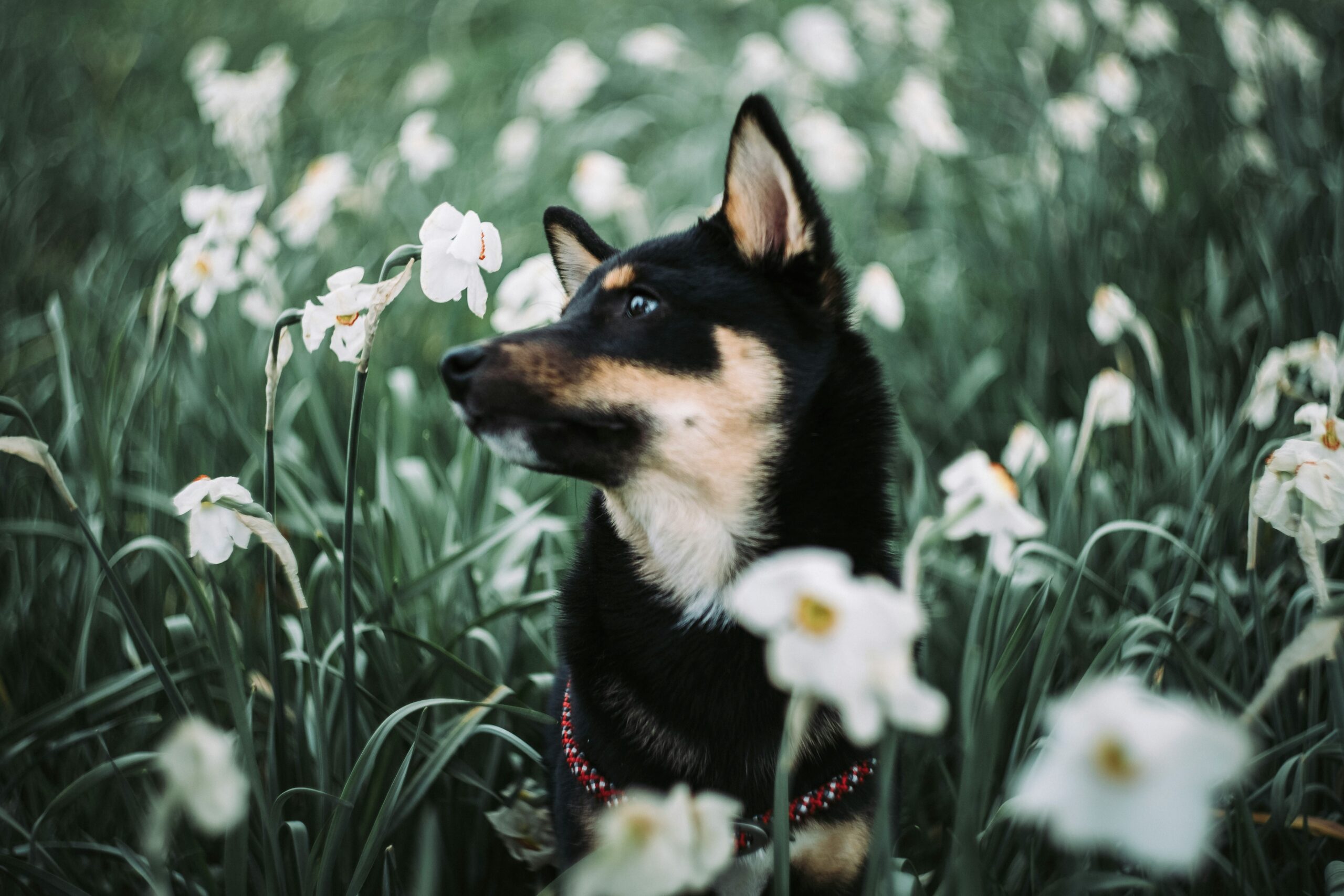
Your dog’s nose is basically an organic supercomputer—a fact worth embracing!
Why Every Rescue Dog Owner Needs to Try This
Optimist You: “Training builds bonds!”
Grumpy You: “Ugh, fine—but ONLY if coffee’s involved.”
When it comes to rescue dogs, many come with baggage—abandoned pasts, fears, or behavioral quirks. Enter scent training: This low-pressure exercise helps reduce stress by channeling their focus toward fun tasks rather than worrying about thunderstorms or strangers. Here’s why it’s *chef’s kiss*:
- Builds Confidence: A scared pup who discovers they can “hunt” feels unstoppable.
- Fosters Trust: Positive interactions create stronger bonds between you two.
- Mental Stimulation: Boredom leads to destructive habits; scent games keep minds sharp.
How Do You Start Dog Scent Training? (Yes, Even If You’re Lazy AF)
Think of scent training as less of a chore and more of a bonding session. Follow these steps, and you’ll have your hound hot on the trail in no time:
1. Pick a Target Scent
Skip fancy chemicals—start with something tasty like peanut butter smeared inside a hollow chew toy. Or use vanilla extract dabbed on cotton pads—it smells heavenly without being toxic if ingested.
2. Teach the Association
Show Rover the scented item, praise lavishly when he smells it, then give him a treat immediately afterward. Over several repetitions, his brain will start connecting sniff = reward.
3. Add Distance
Once Fido gets the hang of it, hide the scented object nearby—behind pillows, under chairs—and cheer wildly each time he finds it. Gradually increase the hiding spots’ difficulty level.
4. Introduce Commands
“Find it!” becomes your new best friend here. Use consistent verbal cues during practice sessions so eventually, one command sends your furry detective running.
Nothing says teamwork like a good game of indoor hide-and-seek.
Scent Training Like a Pro (Without Losing Your Mind)
- Stick to Short Sessions: Pups get overwhelmed fast. Keep lessons brief but frequent (5-10 minutes). Whirrrr… sounds like your laptop fan in overdrive, doesn’t it?
- Switch Up Locations: Varying environments keeps things exciting for both parties—for example, moving from the living room to backyard.
- Easter Egg Alert: Never punish mistakes! Positive vibes only—that means NO yelling if Spot accidentally chews through your DIY scent pouch.
A Terrible Tip That Almost Ruined My Life…
I once thought adding chili powder would spice up our scent hunts (*facepalms self violently*). Big nope—my poor pupper spent HOURS sneezing uncontrollably. Moral of the story? Don’t mess with random additives unless you want tears streaming down YOUR face too.
Proof That Dog Scent Training Works Wonders
Take Max, a skittish stray adopted from a shelter last year. His owner introduced scent training to help curb his separation anxiety. After weeks of fetching hidden goodies, Max turned into such a brave boy that neighbors mistook him for therapy dog material. Real talk: He went from trembling at loud noises to proudly trotting across busy streets during walks.
Got Questions About Dog Scent Training? We’ve Got Answers
Q: Can ALL Dogs Do This?
Absolutely! While some breeds excel naturally (ahem, Bloodhounds), EVERY breed has a stellar sniffer waiting to shine.
Q: What If My Dog Isn’t Interested?
Patience, grasshopper. Experiment with different scents until you strike gold—they’ll cave sooner or later.
Q: How Long Does Mastery Take?
Expect results within weeks depending on consistency and practice frequency. Like baking sourdough bread, persistence pays off.
Time to Harness Those Noses
Dog scent training offers endless benefits for rescue pups—from reducing fear-based behaviors to giving their tails plenty of reasons to wag nonstop. And let’s be honest, watching your four-legged buddy become a pro hunter is honestly chef’s kiss-worthy.
So grab those treats, pick a scent, and unleash your inner scent guru today. Happy training!
P.S. Remember: Like a Tamagotchi, your SEO needs daily care 😉.