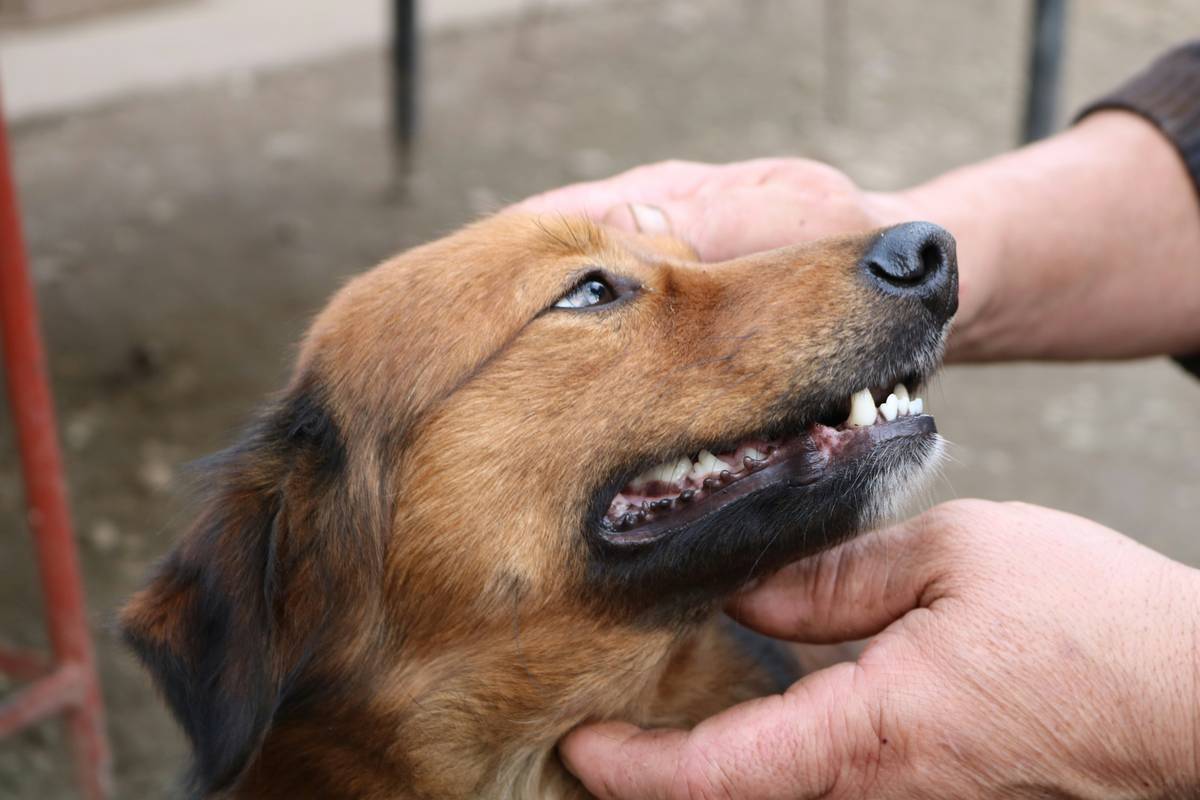
Ever felt like your rescue dog speaks an entirely different language? You’re not alone. Training a rescue dog can feel like deciphering ancient runes, especially when frustration builds and miscommunication reigns supreme. But here’s the good news: clear communication rescue techniques are your secret weapon.
In this post, we’ll explore how you can transform chaos into calm through practical training strategies tailored for rescue dogs. You’ll uncover actionable steps, best practices, and real-life examples—all while avoiding common pitfalls. Buckle up; it’s time to decode your pup’s unique dialect!
Table of Contents
- Why Clear Communication Matters in Rescue Dog Training
- Step-by-Step Guide to Effective Rescue Dog Training
- 7 Tips for Seamless Communication with Your Rescue Dog
- Real-Life Success Stories: From Strays to Stars
- Frequently Asked Questions About Rescue Dog Training
Key Takeaways
- Rescue dogs often need extra patience due to their unique pasts.
- Using consistent verbal cues strengthens trust and understanding.
- Positive reinforcement creates a safe learning environment.
- Patience is non-negotiable—it takes weeks or months to see progress.
- Avoid outdated punishment-based methods that harm the bond.
Why Clear Communication Matters in Rescue Dog Training
I once adopted a rescue dog named Max who had zero interest in sitting on command. No matter how many times I repeated, “Sit!” he just stared at me blankly—his tail wagging like, “What even is this human noise?” Turns out, my garbled mix of “sit,” “stay,” and random gestures was more confusing than helpful.
For many rescue dogs, unclear communication stems from trauma, inconsistent care, or lack of early socialization. Imagine being thrown into a chaotic world where everyone expects you to follow rules—but speaks gibberish. Sounds stressful, right?
Optimist You:* “If I stick with it, Max will learn eventually!”
Grumpy Me:* “Ugh, fine—but only if there’s unlimited treats involved.”
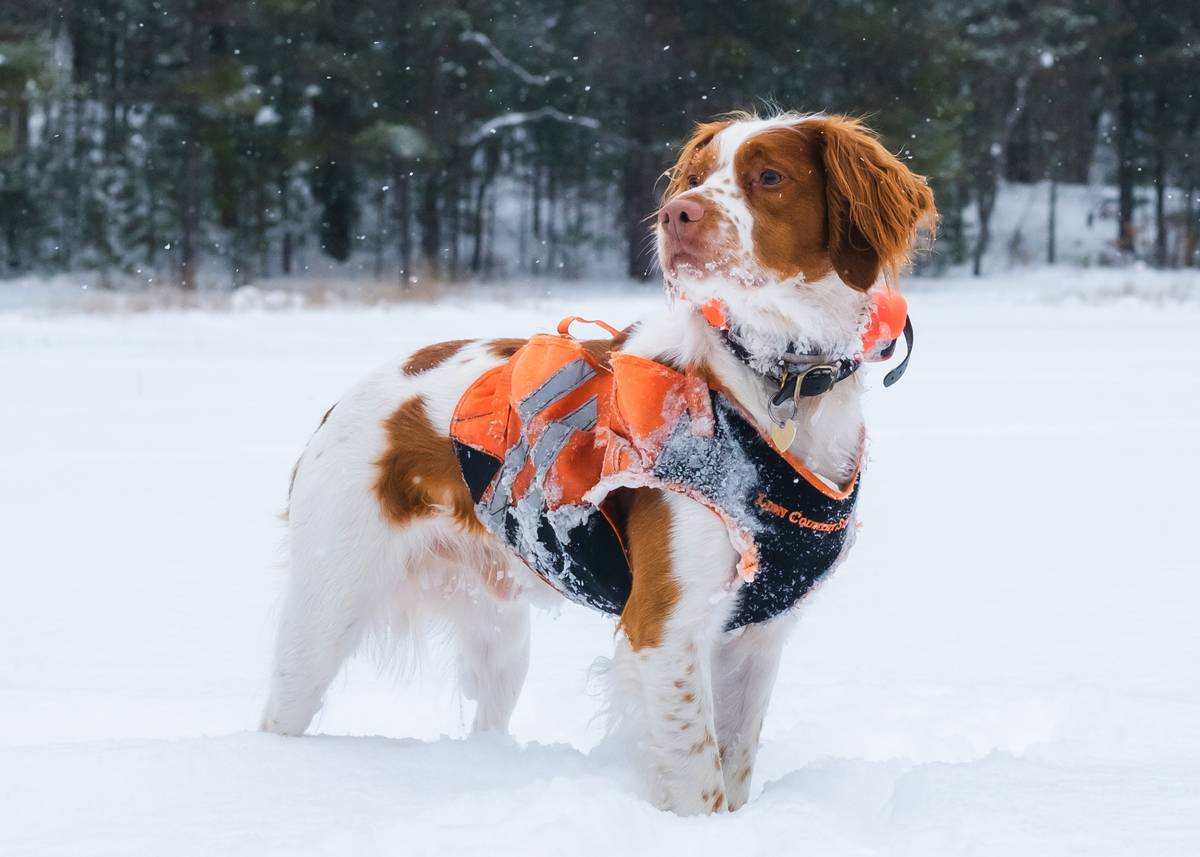
Trainers use clear hand signals to bridge gaps in verbal communication.
Step-by-Step Guide to Effective Rescue Dog Training
Step 1: Build Trust Before Commands
Before diving into commands, spend quality time bonding. Walks, cuddles, and games help create a foundation of trust.
Step 2: Use Simple Verbal Cues
Stick to one-word commands like “sit,” “stay,” or “come.” Avoid mixing tones or adding unnecessary words (e.g., “Oh sweetie, could you please sit?”).
Step 3: Pair Words with Actions
Show your dog what each word means by guiding them gently into position. For example, say “sit” as you nudge their rear end down.
Step 4: Reinforce Positive Behavior
Reward successes immediately with treats, praise, or toys. Timing is crucial!
Step 5: Stay Consistent Across All Settings
Dogs thrive on routine. Whether indoors or outdoors, keep your tone and signals the same.
Step 6: Practice Patience
Training isn’t linear. Celebrate tiny victories and remember—progress over perfection.
Step 7: Address Setbacks Gracefully
If things go sideways, don’t stress. Reassess, reset, and try again later.

Consistency and rewards build confidence during training sessions.
7 Tips for Seamless Communication with Your Rescue Dog
- Choose Calm Environments: Start training in quiet spaces without distractions.
- Use High-Value Treats: Find something irresistible to motivate your dog.
- Mix Verbal & Physical Cues: Combine spoken commands with hand gestures for clarity.
- Keep Sessions Short: Aim for 5–10 minutes to prevent burnout.
- Avoid Punishment: Negative tactics erode trust and slow progress.
- Be Patient: Rescue dogs heal emotionally before they’re ready to learn fully.
- Consult a Professional: Sometimes external guidance provides fresh perspective.
Pet peeve alert! Don’t fall for gimmicks promising instant results. Dogs aren’t machines—they require time and empathy.
Real-Life Success Stories: From Strays to Stars
Meet Bella, a timid stray adopted by Sarah. Initially fearful, Bella would cower at every sound. Through patient repetition and clear communication rescue strategies, Sarah taught Bella basic obedience skills within three months. Now? Bella competes in agility trials and shines brighter than ever.
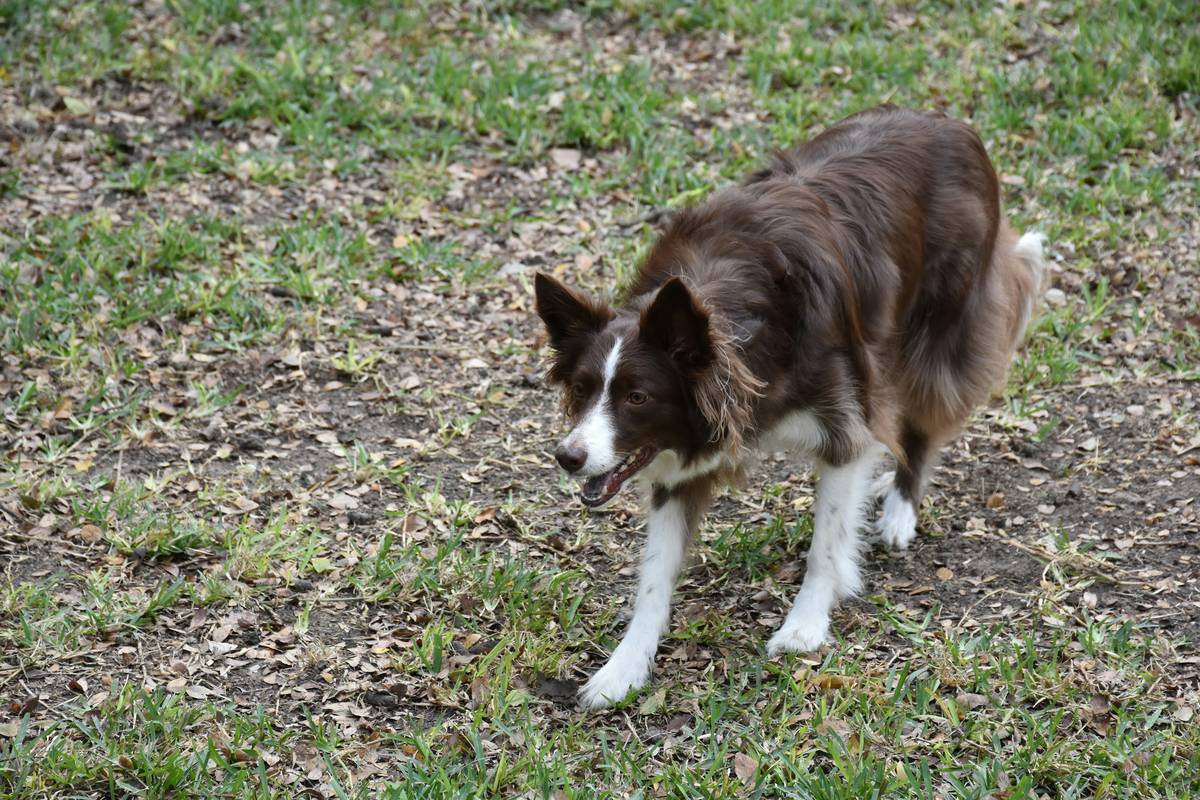
Bella shows off her newfound confidence and skills at an agility trial.
Frequently Asked Questions About Rescue Dog Training
How long does it take to train a rescue dog?
Every dog is different, but most show progress within weeks. Full mastery may take several months.
Can older rescue dogs still be trained?
Absolutely! Age doesn’t define ability—just adjust expectations and stay patient.
What should I do if my rescue dog ignores commands?
Review consistency, eliminate distractions, and ensure you’re using positive reinforcement effectively.
Is professional training necessary?
Not always, but consulting a pro ensures correct methodology and accelerates progress.
Conclusion
Training a rescue dog boils down to mastering one key phrase: clear communication rescue. By speaking their language—through consistency, kindness, and rewards—you’ll unlock untapped potential and strengthen your bond.
To recap:
- Start with trust, then introduce commands.
- Reward behaviors promptly and frequently.
- Avoid shortcuts or harsh punishments.
Remember, every small win counts—like finding Waldo hidden behind a lampshade fleeing bath-time drama. Keep going, because the journey itself makes life richer.
Four paws,
one heart—
love heals fears.