Ever tried training a rescue dog only to feel like you’re failing solo while everyone else seems to be winning as a team? You’re not alone.
Rescue dogs have unique challenges—trauma, anxiety, and unpredictable behavior. And when it comes to training them, “team coordination” isn’t just a buzzword; it’s the secret sauce that can turn chaos into calm. In this guide, we’ll break down how effective teamwork can elevate your rescue dog training process. Buckle up—it’s going to be a wild ride (with lots of tail wags).
You’ll learn:
- The importance of teamwork in rescue operations
- Actionable steps to build an efficient training team
- Best practices for working with foster families, trainers, and veterinarians
- Real-life success stories and *terrible tips* to avoid
Table of Contents
🔑 Key Takeaways
- Collaboration between fosters, trainers, and vets ensures holistic care.
- Clear communication tools make or break team coordination.
- Training methods must adapt to each dog’s unique history and needs.
🤔 The Problem With Going Solo
I’ll never forget the day I tried training my first rescue pup by myself. Spoiler alert: It ended with shredded socks, overturned furniture, and me screaming into a pillow. Why? Because I thought I could do everything on my own. Big mistake.
Here’s the cold truth: Rescue dogs often come with layers of trauma. One person wearing all the hats—trainer, counselor, vet liaison—isn’t sustainable. Add burnout to the mix, and you’ve got a recipe for disaster.
Optimist You: “I’ve got this!”
Grumpy You: “Ugh, fine—but only if coffee’s involved.”
💪 Building Your Dream Team
Step 1: Identify Stakeholders
Your dream team includes:
- Foster Parents: They live with the dog daily and understand their quirks.
- Professional Trainers: Experts skilled in positive reinforcement techniques.
- Veterinarians: Ensures the dog is physically fit for training sessions.
Step 2: Establish Communication Channels
Slack? WhatsApp? Weekly Zoom calls? Pick something everyone loves using (or at least tolerates). Consistent check-ins prevent misunderstandings that might leave Rover confused—or worse, regressing.

Step 3: Assign Clear Roles
Without defined responsibilities, things get messy fast. For example: Fosters handle routine obedience exercises, trainers tackle complex behaviors, and vets monitor health progress.
🎯 Best Practices for Collaboration
#1 Open Communication Is Chef’s Kiss
Seriously, share updates frequently—even minor ones like “Buddy sat calmly during dinner” can help track progress.
#2 Stick to Positive Reinforcement
Dogs respond better to rewards than punishment. This goes double for traumatized rescue pups.
#3 Document Everything
Create a shared Google Doc where everyone logs observations. Sounds tedious but trust me—it’s better than guessing whether Max hates walks or is just tired.
🌟 Real-Life Success Stories
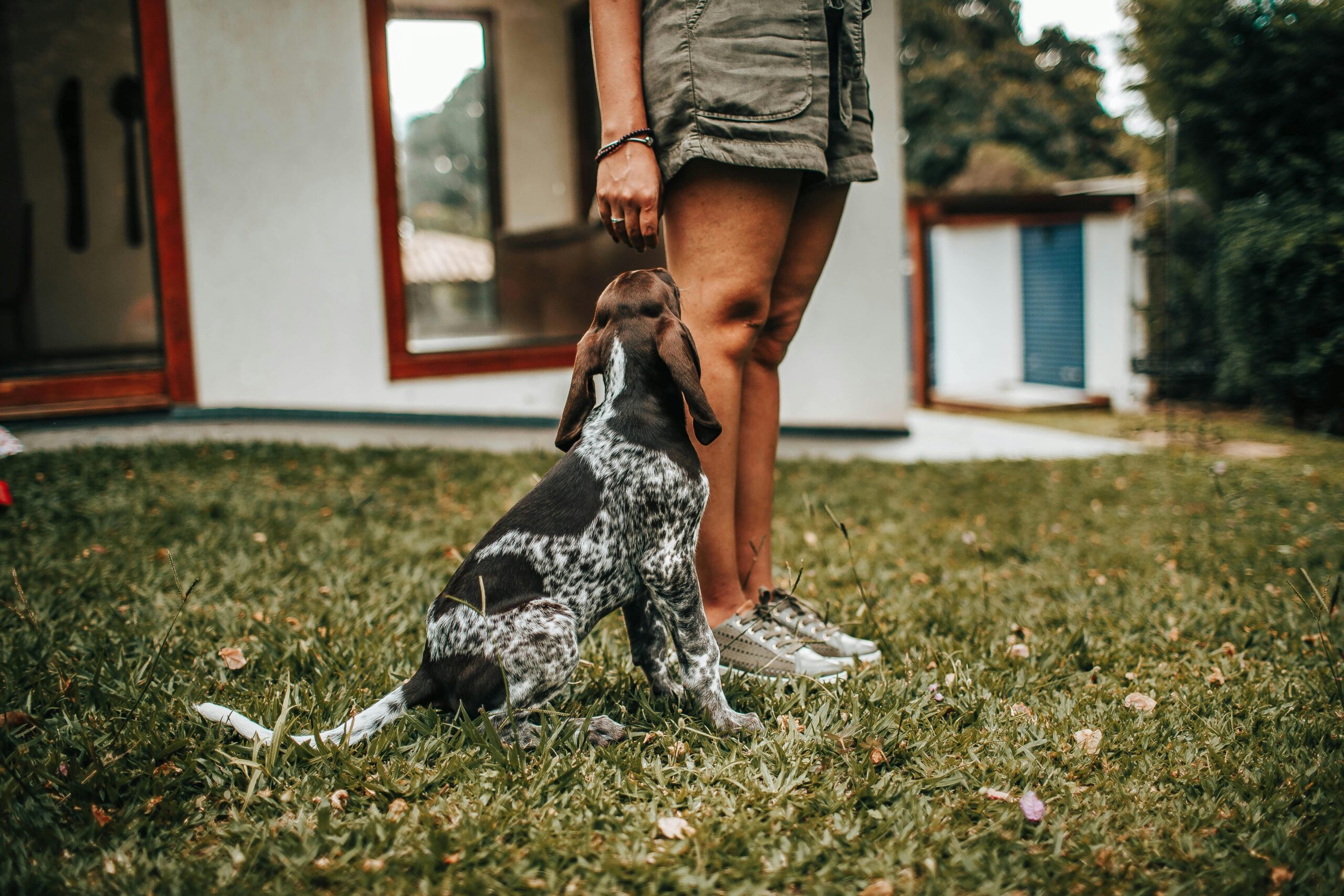
Meet Bella, a 4-year-old pitbull who survived hoarding conditions before finding her forever home. Her transformation was nothing short of miraculous thanks to a tightly-knit team approach:
- Foster Mom taught basic commands.
- A certified trainer focused on leash manners.
- The vet diagnosed a painful dental issue that explained some aggression episodes.
💬 FAQs About Rescue Dog Training
Q: How long does it take to train a rescue dog?
A: It depends on their background, age, and temperament. Some dogs show improvement in weeks; others may need months or years.
Q: What’s the worst idea for rescue dog training?
A: Trying too many methods at once. Stick to one system until you see consistent results instead of overwhelming the pup.
Q: Do professional trainers always need to be part of the equation?
A: Not necessarily, but they’re invaluable for addressing severe behavioral issues or creating customized plans.
📝 Conclusion
Effective team coordination transforms rescue dog training from an uphill battle into a collaborative win. By combining open communication, role clarity, and positivity, you set both the humans and canine participants up for success.
So here’s to saving lives—and sanity—one coordinated step at a time.
P.S. Like a Tamagotchi, your SEO needs daily care. Now go hug your pup!