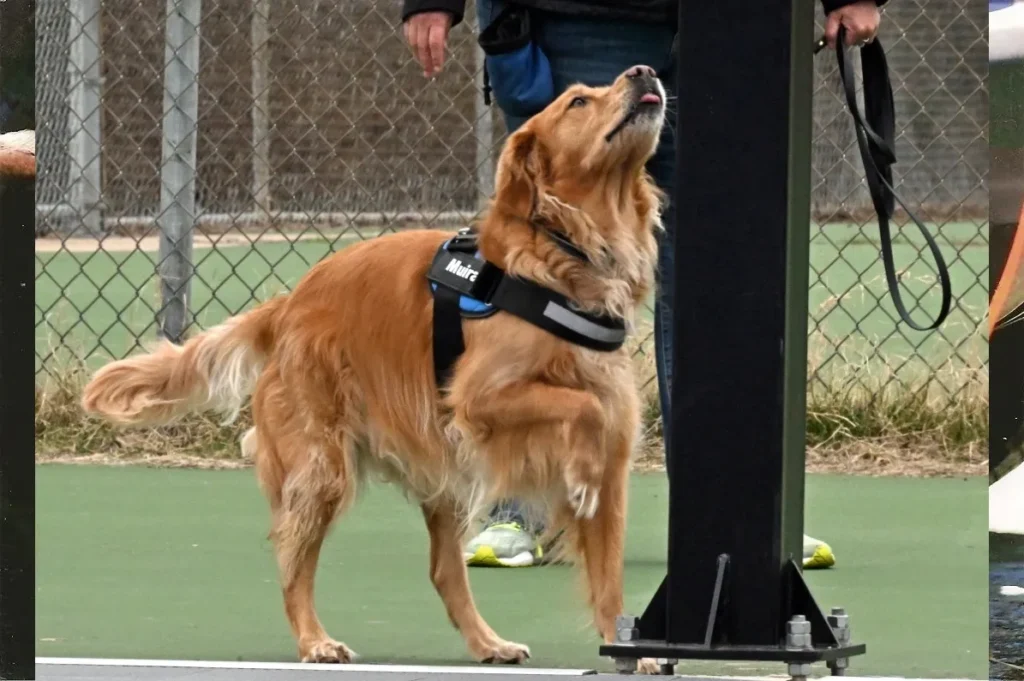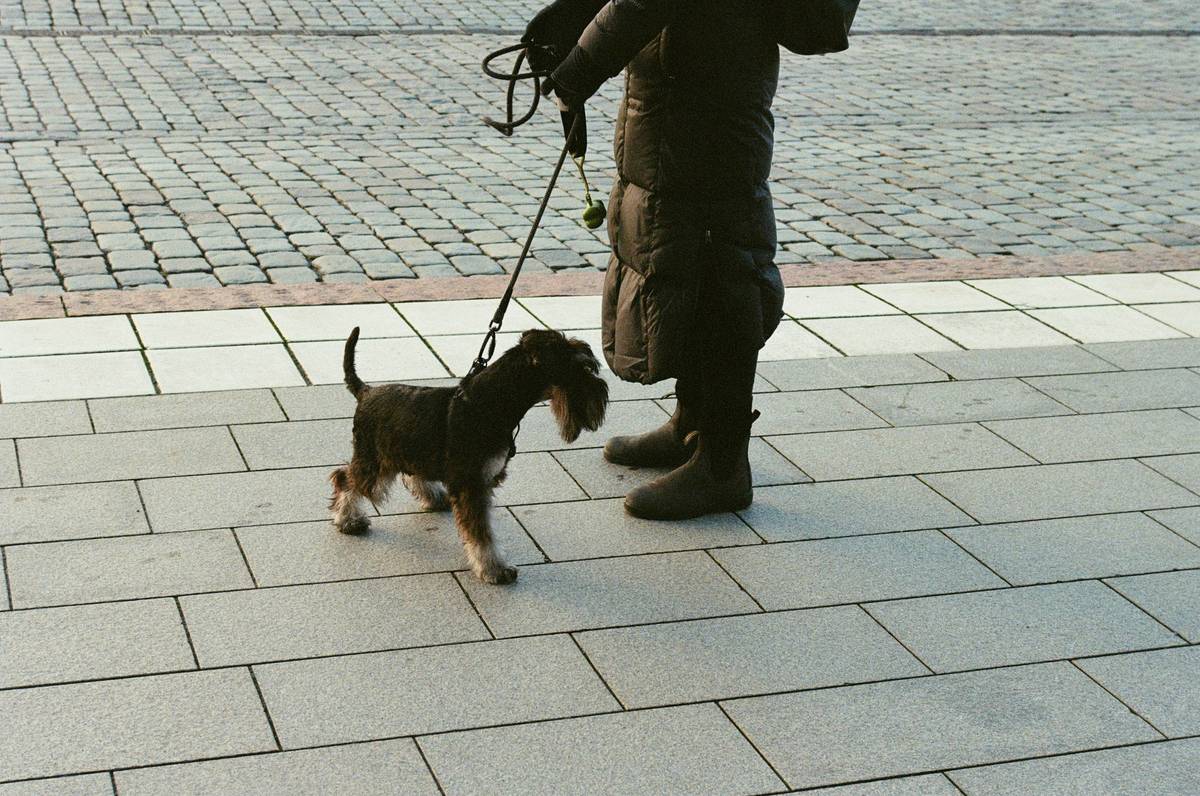
Ever adopted a rescue dog only to realize they have no idea how to follow commands? You’re not alone. Many new pet parents struggle with helping their furry friends transition into well-trained companions. But what if your rescue pup could become an area search dog—one of the most skilled roles in canine work?
In this guide, we’ll show you how to transform your chaotic rescue dog into a focused, reliable partner capable of performing area searches. From understanding the basics to real-world examples, you’ll learn everything needed for success.
You’ll discover:
- The challenges unique to training rescue dogs for area search tasks.
- A step-by-step action plan tailored to their needs.
- Tips and tools that actually work (and some “terrible tips” to avoid).
- Real-life case studies that inspire hope—even on tough days.
Table of Contents
- Key Takeaways
- The Challenge With Rescue Dogs
- Step-by-Step Guide to Training Area Search Dogs
- Best Practices for Success
- Success Stories & Inspiration
- FAQs About Rescue Dog Training
- Conclusion
Key Takeaways
- Rescue dogs often come with behavioral baggage but can excel as area search dogs with proper training.
- Patient repetition and positive reinforcement are essential for building trust and skills.
- Specialized tools like scent kits and clicker training can accelerate progress.
- Avoid harsh punishments at all costs—they destroy confidence.
- Consistency beats intensity every time when working with sensitive pups.
What Makes Training Rescue Dogs So Tricky?
I once tried teaching my newly adopted lab mix to sit—just sit—and ended up covered in drool and frustration. Turns out she associated hands near her face with food theft from her past life. Oops. Confession moment over, let me tell you why rescue dogs need extra TLC.
Many rescue dogs arrive with trauma, anxiety, or inconsistent habits due to previous environments. They may lack basic obedience, making advanced tasks such as area searching feel impossible. Add sensory overload to the mix—”like your laptop fan during a 4K render”—and it’s clear these pups require a special game plan.
Optimist You: “It’s just about finding the right approach!”
Grumpy You: “Ugh, fine—but only after I’ve had three cups of coffee.”

Step-by-Step Guide to Training Rescue Dogs for Area Searches
If you want your rescue dog to thrive as an area search dog, buckle up. Here’s the roadmap:
Step 1: Build Trust Through Routine
Establish predictable feeding, walking, and sleeping schedules. Dogs crave stability, especially those recovering from rocky starts.
Step 2: Teach Basic Commands First
“Sit,” “stay,” and “come” lay the foundation. Use tasty treats or squeaky toys to reinforce good behavior.
Step 3: Introduce Scent Work Gradually
Area search dogs rely on smell. Start by hiding snacks around the house and encouraging sniffing exploration.
Step 4: Practice Focus Amid Distractions
Venture outside where distractions abound. Reward calm focus amidst chaos—it builds resilience.
Step 5: Join Professional Programs
Consider enrolling in certified programs designed for area search dogs. Experts will refine your technique while boosting your dog’s skills.
Best Practices for Turning Your Rescue Dog Into an Area Search Pro
- Positive Reinforcement Is Key: Treats, praise, playtime—whatever motivates your dog works wonders.
- Keep Sessions Short: Aim for 10–15 minutes max daily sessions. Overtraining stresses everyone involved.
- Invest in High-Quality Gear: Durable leashes, collars, and scent kits ensure smooth training.
- Be Patient: Progress might seem slow initially, but consistency pays off big-time.
- Avoid This Terrible Tip: Never punish fear-based reactions like growling or retreating. It damages trust irreparably.
Stories That Will Make You Believe in Miracles
Meet Luna, a shy pitbull rescued from a hoarding situation. After months of patient training, she became a certified area search dog assisting in wilderness rescues. Or take Max, a reactive German Shepherd who went from snapping at strangers to locating lost hikers. These transformations aren’t flukes—they’re proof that love plus structure equals magic.
FAQs About Rescue Dog Training
Q: Can any breed become an area search dog?
A: While certain breeds naturally excel (think bloodhounds or beagles), nearly any intelligent and motivated dog can succeed with dedication.
Q: How long does training typically take?
A: Expect several months to years depending on the dog’s background and task complexity.
Q: What’s more important: physical fitness or mental sharpness?
A: Both matter equally! A tired body supports a focused mind.
In Conclusion…
Training a rescue dog for area search duties is challenging yet incredibly rewarding. The journey demands patience, creativity, and unwavering commitment—but seeing your pup shine makes it worth every second.
To recap:
– Establish trust before tackling advanced skills.
– Celebrate small wins along the way.
– Stick with methods proven to work (and steer clear of punishment-heavy approaches).
Like a Tamagotchi, your SEO needs daily care—but so does your newfound bond with your furry friend. Now go forth and start transforming lives—one paw print at a time!
Pawsitive vibes,
Your Pet Care Coach 🐾