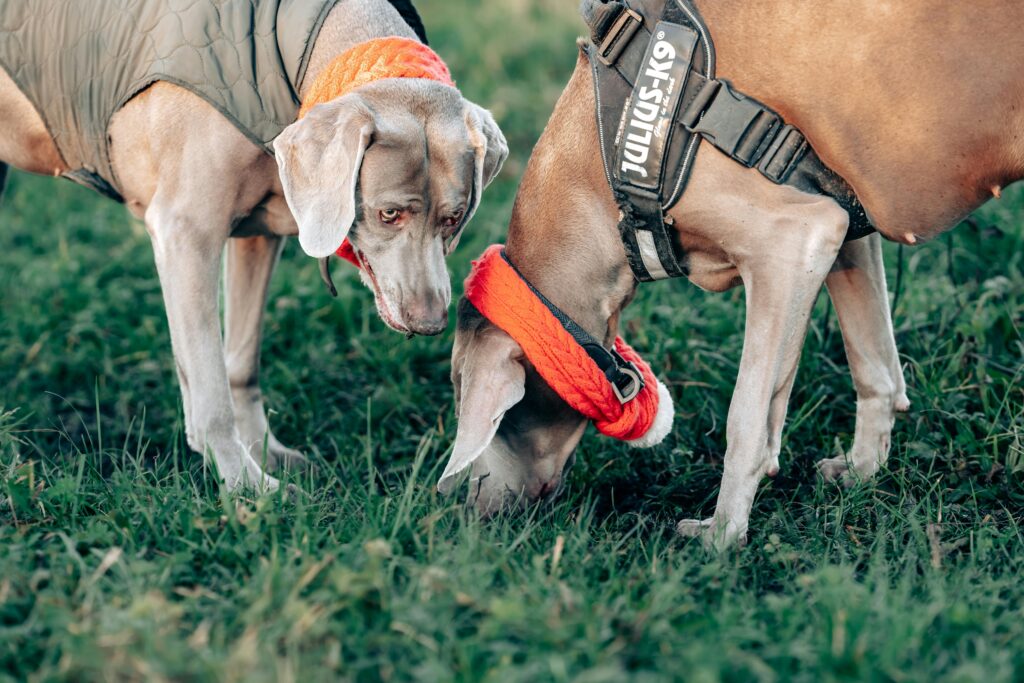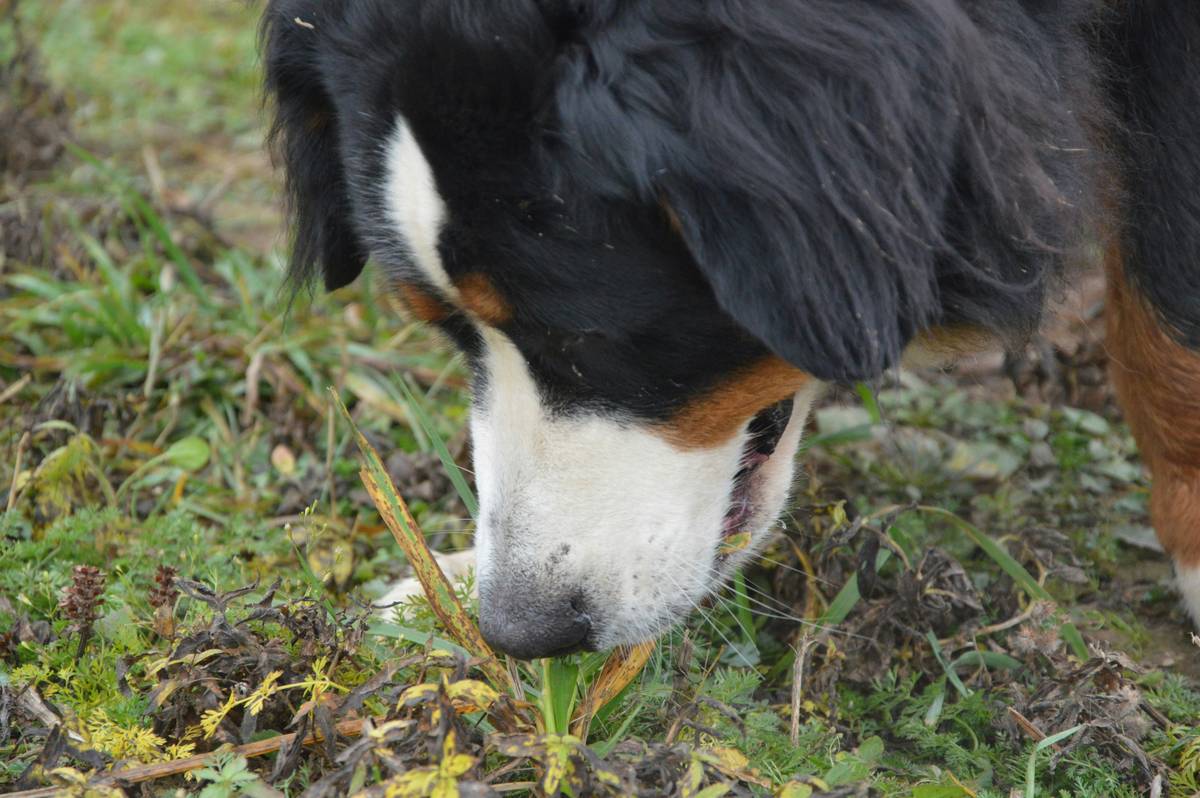
Ever felt like your rescue dog speaks a language you just can’t decipher? You’re not alone. Many pet parents struggle with training their rescue dogs, especially when traditional methods don’t seem to click. Enter the canine scent method, a powerful tool that taps into your dog’s natural instincts. This guide will walk you through why this method works, how to implement it step-by-step, and tips to make it seamless. Plus, I’ll share some hard truths about what NOT to do. Let’s get started!
Table of Contents
- Why the Canine Scent Method Works for Rescue Dogs
- Step-by-Step Guide to Using the Canine Scent Method
- Best Practices for Success
- Real-Life Success Story: Max the Timid Terrier
- Frequently Asked Questions (FAQs)
Key Takeaways
- The canine scent method leverages a dog’s natural olfactory strengths, making it ideal for nervous or unresponsive rescue dogs.
- Training involves pairing scents with rewards to build trust and encourage positive behaviors.
- Avoid rushing the process; patience is key to ensuring long-term success.
Why the Canine Scent Method Works for Rescue Dogs
Rescue dogs often come with emotional baggage—fear, anxiety, or mistrust from past experiences. Traditional obedience commands might fall flat because these pups need time to rebuild confidence. That’s where the canine scent method shines.
Dogs have an incredible sense of smell, up to 100,000 times more sensitive than humans. By focusing on their strongest asset, we can bypass resistance and create a bond rooted in playfulness and curiosity rather than fear or frustration.
Confessional moment: I once tried teaching my rescue mutt “sit” over and over again until both our nerves were fried. Then I switched to using treats hidden under boxes—and voilà! Suddenly, he was eager to learn.
Step-by-Step Guide to Using the Canine Scent Method
“Optimist You:” Follow These Steps!
- Choose a Reward: Pick something irresistible—like freeze-dried liver or peanut butter.
- Introduce the Scent: Rub the reward on your hands or inside a small container so your dog associates the smell with good things.
- Play Hide-and-Seek: Start simple by hiding the treat nearby while your pup watches. Gradually increase difficulty as they improve.
- Pair Commands: Once your dog gets the hang of sniffing out treasures, introduce basic commands like “find” or “search.”
- Celebrate Small Wins: Praise every discovery enthusiastically—your excitement fuels theirs.
“Grumpy You:” Ugh, Fine—but Only If Coffee’s Involved.
Yeah, yeah, consistency is everything here. No skipping days because you slept through your alarm. Got it?
Best Practices for Success
To level up your rescue dog’s training game, keep these golden rules in mind:
- Keep Sessions Short: Aim for 5–10 minutes per session to avoid overwhelming your pup.
- Vary Locations: Practice in different environments—indoors, outdoors, busy parks—to boost adaptability.
- Be Patient: Rescue dogs may take longer to adjust due to trauma. Don’t rush progress.
- Use Positive Reinforcement Only: Absolutely no yelling or punishment allowed.
Real-Life Success Story: Max the Timid Terrier
When Sarah adopted Max, a shy terrier mix, she quickly realized traditional training wasn’t working. Max flinched at sudden movements and ignored commands altogether. After learning about the canine scent method online, she decided to give it a shot.
Sarah started hiding tiny pieces of cheese around her living room. At first, Max hesitated but eventually began searching eagerly. Within weeks, his tail wagged nonstop during sessions, signaling newfound joy and confidence. Today, Max loves playing interactive scent games and even participates in local nose work competitions.
Frequently Asked Questions (FAQs)
Is the canine scent method suitable for all breeds?
Yes! While certain breeds like Bloodhounds excel at scent detection, all dogs benefit from tapping into their sense of smell.
How long does it take to see results?
This varies depending on the dog’s personality and history. Some show improvement within days, while others require weeks or months.
What if my dog loses interest?
Mix up rewards and locations regularly. Sometimes boredom strikes—not the method itself.
Can I combine this with other training styles?
Absolutely. The canine scent method complements clicker training, agility courses, and more.
Conclusion
Training a rescue dog isn’t always easy, but the canine scent method makes the journey enjoyable—for both of you. Leveraging their incredible sense of smell builds trust, strengthens your bond, and sets them up for lifelong learning. So grab those treats, channel your inner optimist (and grump), and watch your furry friend flourish.
Random haiku for ya:
Paws search, noses twitch,
Sniffed-out treasures spark joy,
Tails wag, hearts connect.