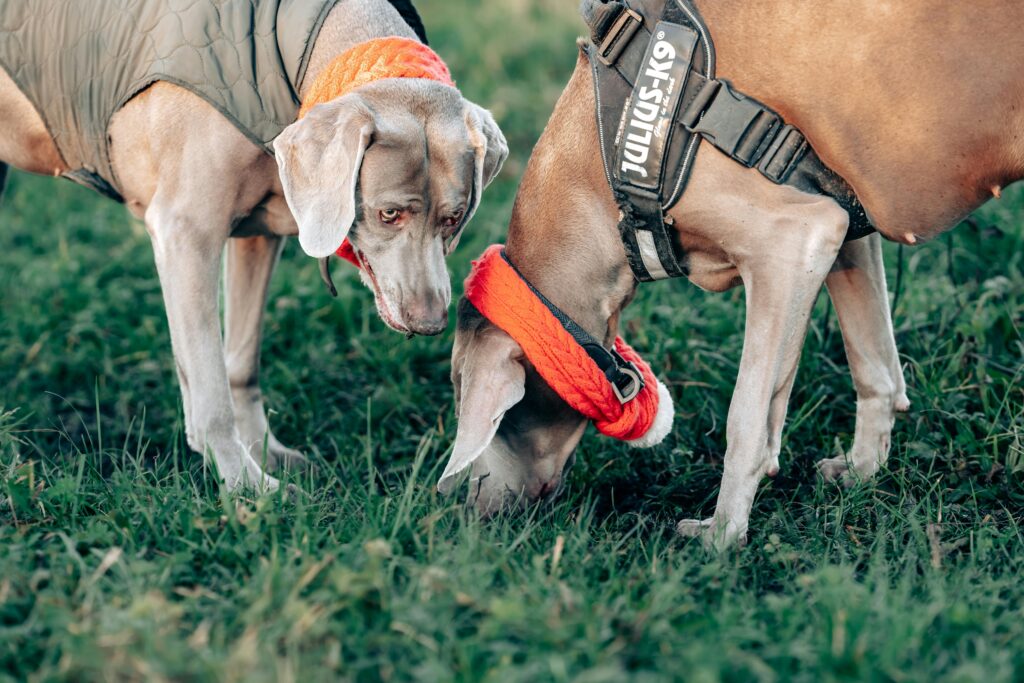
Ever stared into your rescue dog’s eyes, wondering what untapped brilliance lies beneath? Or maybe you’ve tried teaching them simple commands only to be met with a confused head tilt. If this sounds familiar, it might be time to dive into scent tracking techniques—the ultimate secret weapon for bonding, confidence-building, and training your rescued canine companion.
In this guide, we’ll explore why scent tracking is not just another flashy trick but an essential skill that harnesses your rescue dog’s natural instincts. By the end of this post, you’ll know exactly how to start training your pup in scent work, avoid common mistakes, and even laugh at my own embarrassing misadventures along the way (yes, dogs are brutally honest critics).
- Key Takeaways
- Why Scent Tracking Matters
- Step-by-Step Guide to Scent Training
- Tips & Best Practices
- Real-Life Examples
- FAQs About Scent Tracking
- Conclusion
Key Takeaways
- Scent tracking taps into your rescue dog’s innate abilities, boosting their confidence and deepening your bond.
- A step-by-step process ensures gradual progress without overwhelming your pup.
- Using positive reinforcement and patience is non-negotiable—don’t skip corners on these.
- You can adapt scent work for all breeds, sizes, and temperaments.
Why Scent Tracking Matters
Picture this: A nervous rescue dog who flinches at sudden noises suddenly becomes laser-focused when sniffing out treats hidden under a blanket. It’s like watching someone switch from radio static to crystal-clear sound. That transformation isn’t magic—it’s science!
Dogs have up to 300 million olfactory receptors compared to our measly 6 million. For rescues, many of whom face trauma or anxiety, engaging their sense of smell provides mental stimulation and builds trust. Plus, it channels their energy productively, preventing destructive behaviors like chewing furniture or barking excessively.
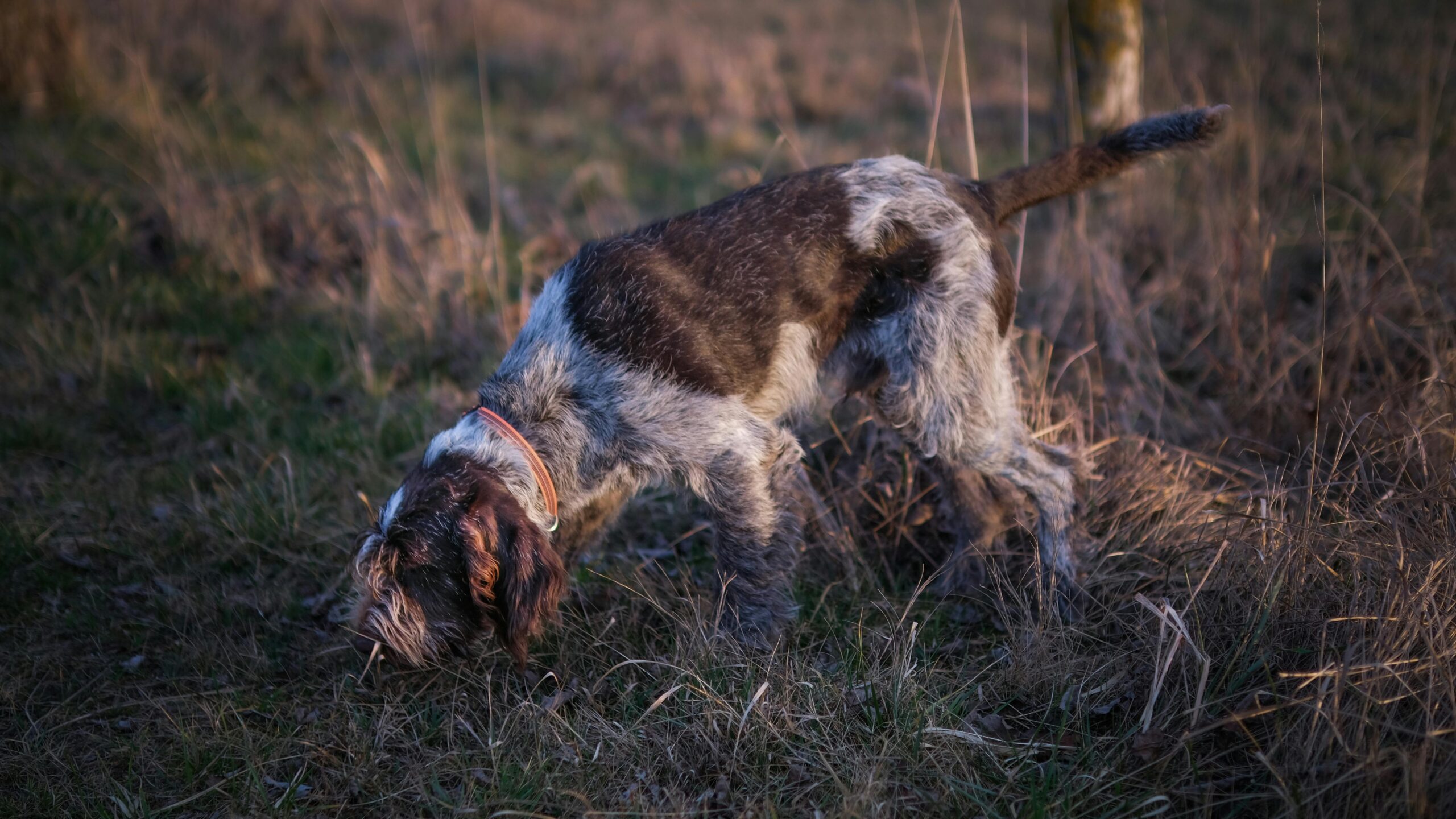
“Scent work gives your rescue dog purpose—and lets them shine where they’re naturally wired to excel.”
Step-by-Step Guide to Scent Training
If you’re thinking, “This sounds cool, but I’m clueless about starting,” worry not! Here’s a foolproof plan:
Step 1: Choose the Right Reward
Pick something irresistible—like small pieces of chicken or cheese—to motivate your dog during sessions. Avoid kibble unless it’s their absolute favorite. And remember: no bribes mid-task; rewards come after success!
Step 2: Start Simple – Find the Treat
Place a treat under one cup among three others while your dog watches. Encourage them to “find it” using verbal cues. Repeat until they consistently locate the correct cup.
Step 3: Introduce Scents
Swap treats for scented items, such as a dab of essential oil on cotton balls or a sock worn by you. Gradually increase difficulty by hiding the item further away or covering it lightly.
Step 4: Ramp Up Difficulty
Move outdoors or introduce distractions like other animals or toys. The goal is to challenge their focus and improve problem-solving skills.
Grumpy Optimist Dialogue:
Optimist You: “Let’s make today extra challenging!”
Grumpy You: “Ugh, fine—but only if there’s coffee waiting afterward.”
Tips & Best Practices
- Keep Sessions Short: 5–10 minutes max per session prevents burnout and frustration.
- Never Punish Mistakes: Positive reinforcement always wins over punishment.
- Be Patient: Progress may seem slow, especially with shy or anxious dogs, but consistency pays off.
- Avoid Overloading Their Nose: Switch between different scents to prevent sensory overload.
Confessional Fail:
I once overloaded my dog Luna’s nose by switching between five new scents in a single day. She gave me the side-eye equivalent of “What are you doing, human?!” Lesson learned.
Real-Life Examples
Meet Max, a former shelter dog terrified of strangers. His owner introduced scent tracking as a confidence booster. Within months, Max went from cowering behind furniture to competing in local nosework competitions. Now he struts around like he owns the place (and honestly, he kinda does).
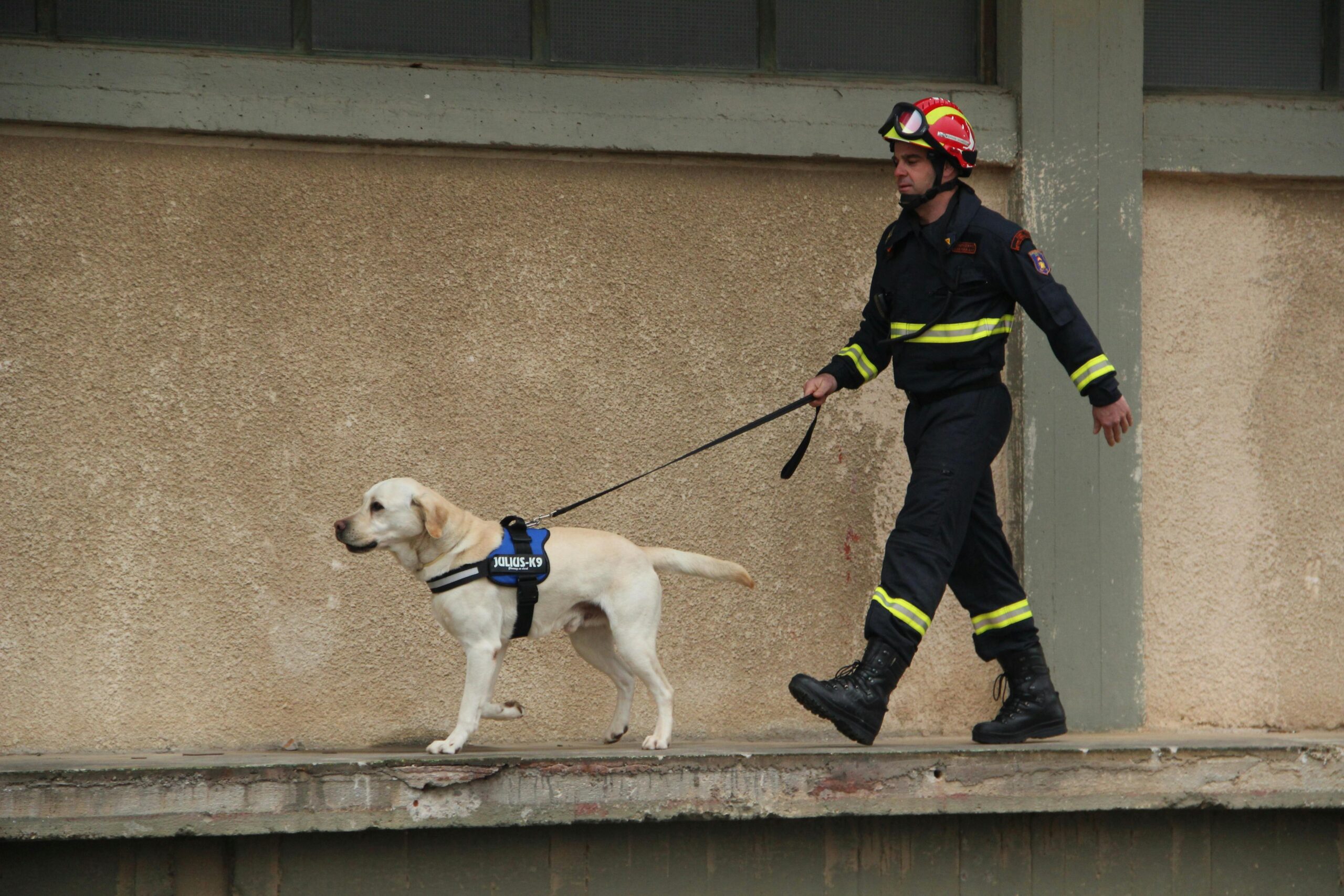
Another inspiring case? Bella, a senior Lab mix adopted late in life. Her humans worried she wouldn’t adjust, but scent games reignited her zest for living. They now joke that she sniffs better than Sherlock Holmes.
FAQs About Scent Tracking
Q: Can any breed learn scent tracking?
A: Absolutely! Whether you’ve got a Chihuahua or a Great Dane, every dog has a powerful nose ready to be trained.
Q: Is equipment necessary?
A: Nope! You don’t need expensive gear—just some treats and everyday household items.
Q: What if my dog loses interest?
A: Shake things up! Change locations, try new scents, or tweak reward types. Keep it fresh and exciting.
Conclusion
Scent tracking isn’t just a skill—it’s a lifeline for rescue dogs seeking connection, security, and joy. With patience, positivity, and plenty of treats, you’ll watch your furry friend blossom right before your eyes.
Remember, though: Every journey starts small. So grab those treats, channel your inner optimist, and embark on this adventure together. After all, nothing says teamwork quite like a wagging tail leading the way.
Like a Nokia ringtone, good habits stick when nurtured daily. 🐾