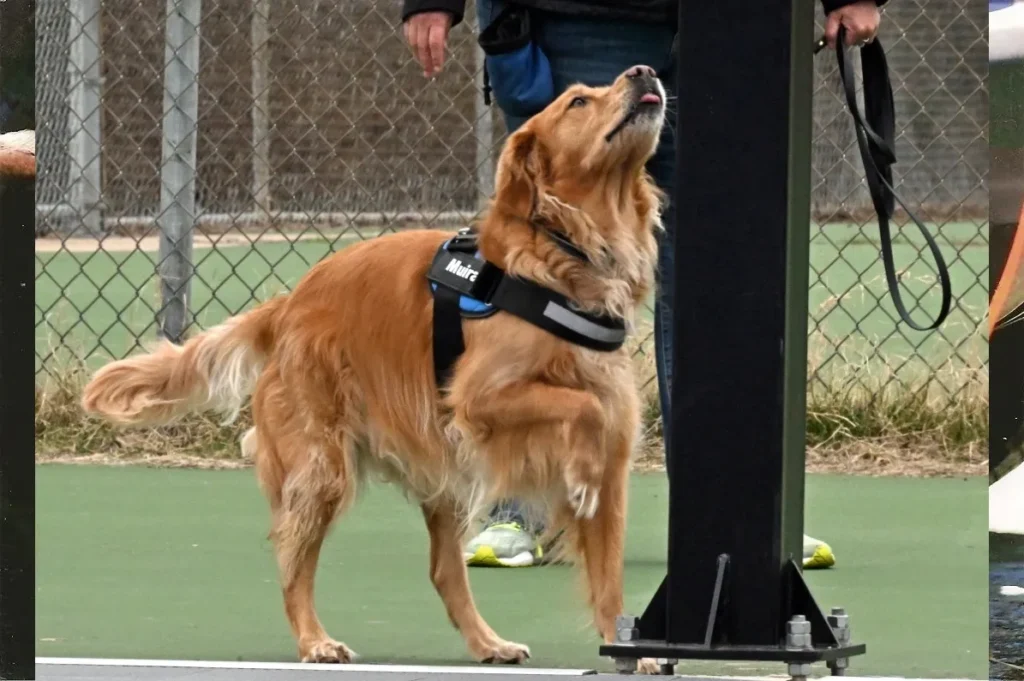
Ever wondered why your rescue dog still bolts at the sound of a car horn despite months of training? You’re not alone. Many adopters dive headfirst into teaching their new furry friend basic commands but overlook specialized techniques like search dog field tactics. If you’re ready to take your rescue dog’s training to the next level—whether for fun or function—this guide is for you.
In this post, we’ll break down everything from understanding what search dog field tactics are to implementing step-by-step methods tailored specifically for rescue dogs. By the end, you’ll have actionable strategies and insider tips that blend psychology, patience, and proven training methods.
Table of Contents
- Why Search Dog Field Tactics Matter
- The Challenges of Rescue Dog Training
- Step-by-Step Guide to Search Dog Field Tactics
- Top Tips for Success
- Real-Life Success Stories
- FAQs About Search Dog Field Tactics
- Key Takeaways
Key Takeaways
- Search dog field tactics combine obedience training with advanced tracking skills.
- Rescue dogs often require extra patience due to past traumas.
- Consistency, positive reinforcement, and real-world application are critical.
- Avoid common pitfalls like overtraining or skipping foundational steps.
Why Search Dog Field Tactics Matter
Imagine being lost in dense woods without GPS—and suddenly spotting a trained search-and-rescue dog bounding toward you. That’s the magic of search dog field tactics. These methods aren’t just for professional teams; they can transform how your rescue dog interacts with the world, building trust and improving communication.
The Challenges of Rescue Dog Training
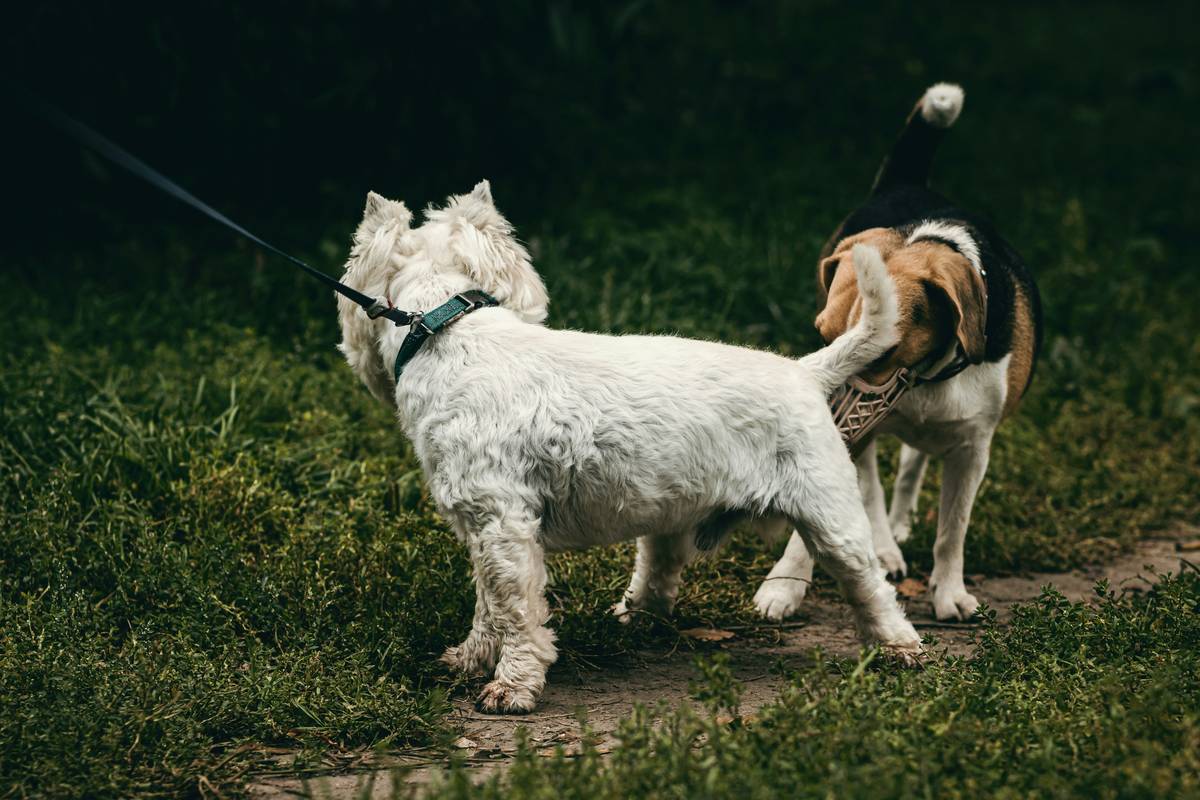
Let’s get real here. Rescue dogs aren’t blank slates; they come with baggage. Whether it’s fear-based aggression or separation anxiety, these behaviors make traditional training tricky. Add in unfamiliar environments (like fields used for tactical searches), and things get dicey.
Personal confession time: I once tried using clicker training on a terrified shepherd mix only to watch him cower under a table for an hour. Brutal honesty alert: Not every tactic works for every dog, and flexibility is key when dealing with trauma.
Step-by-Step Guide to Search Dog Field Tactics
Ready to train your rescue pup for the big leagues? Here’s how:
Step 1: Build Basic Obedience First
Before diving into complex scenarios, nail the basics like “sit,” “stay,” and recall. Without strong obedience foundations, fieldwork becomes chaotic fast.
Step 2: Introduce Scent Recognition
Start small by hiding treats around the house or yard. Gradually increase difficulty by moving outdoors and introducing distractions.
Step 3: Simulate Realistic Scenarios
Once confident indoors, move to natural settings like parks or wooded areas. Use decoys (friends or family) to create lifelike missing person drills.
Step 4: Incorporate Advanced Commands
Teach directional cues (“left,” “right”) and distance commands so your dog can navigate larger spaces effectively during searches.
Step 5: Practice Consistently
Repetition breeds mastery. Regular sessions help cement skills while keeping your bond strong.
Top Tips for Success
- Use Positive Reinforcement: Treats, praise, and playtime keep motivation high.
- Mix It Up: Vary environments to prevent boredom and enhance adaptability.
- Stay Patient: Rescue dogs process stress differently; setbacks happen.
- Seek Professional Help: Consider enrolling in classes focused on search work if needed.
Bonus fail disclaimer: Don’t skip straight to outdoor drills before mastering indoor scent games—it’s a recipe for frustration!
Real-Life Success Stories
Take Max, a former stray adopted from a shelter. After six months of dedicated training using search dog field tactics, he joined a local volunteer search team. His first mission? Locating a hiker stranded overnight in rugged terrain. Thanks to his handler’s persistence and strategic training, Max saved the day.
FAQs About Search Dog Field Tactics
Q: How long does it take to teach a rescue dog search skills?
A: On average, expect 6–12 months depending on the dog’s age, prior experience, and temperament.
Q: Do all breeds qualify for this type of training?
A: While any breed can learn fundamentals, energetic sporting or herding breeds tend to excel in demanding fieldwork.
Q: Can older rescue dogs still be trained?
A: Absolutely! Age isn’t always a barrier—many older rescues thrive given the right approach.
Key Takeaways
Training a rescue dog in search dog field tactics requires dedication, empathy, and creativity. From overcoming initial hurdles to celebrating hard-won victories, the journey shapes both pet and owner profoundly. So grab those treats, lace up your boots, and start exploring the untapped potential within your four-legged companion.
“Like a Tamagotchi, your SEO needs daily care.” 😉