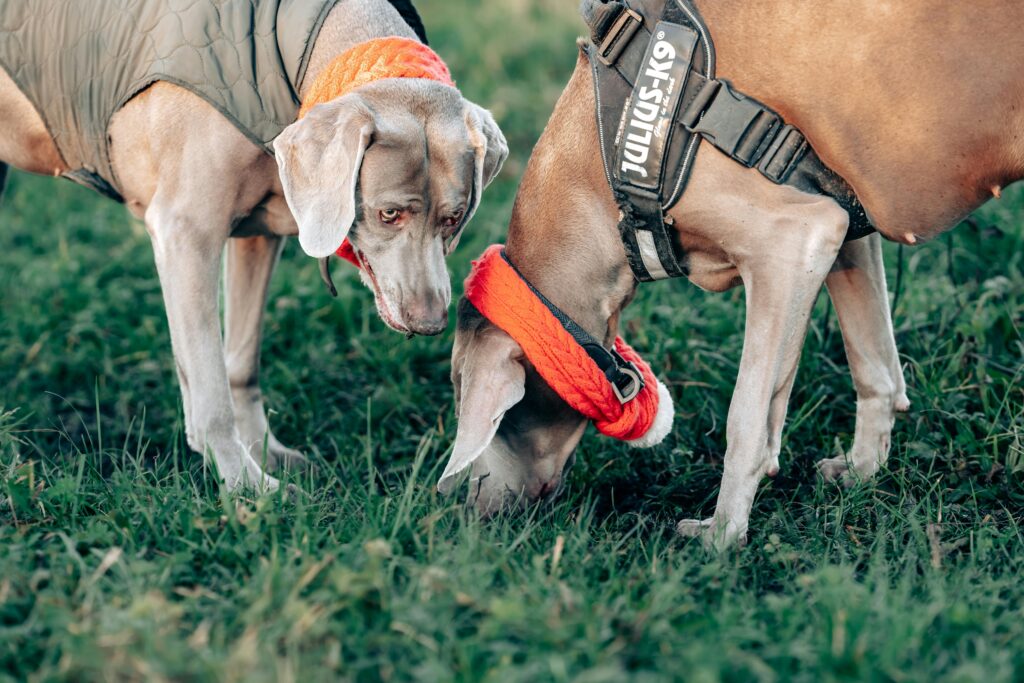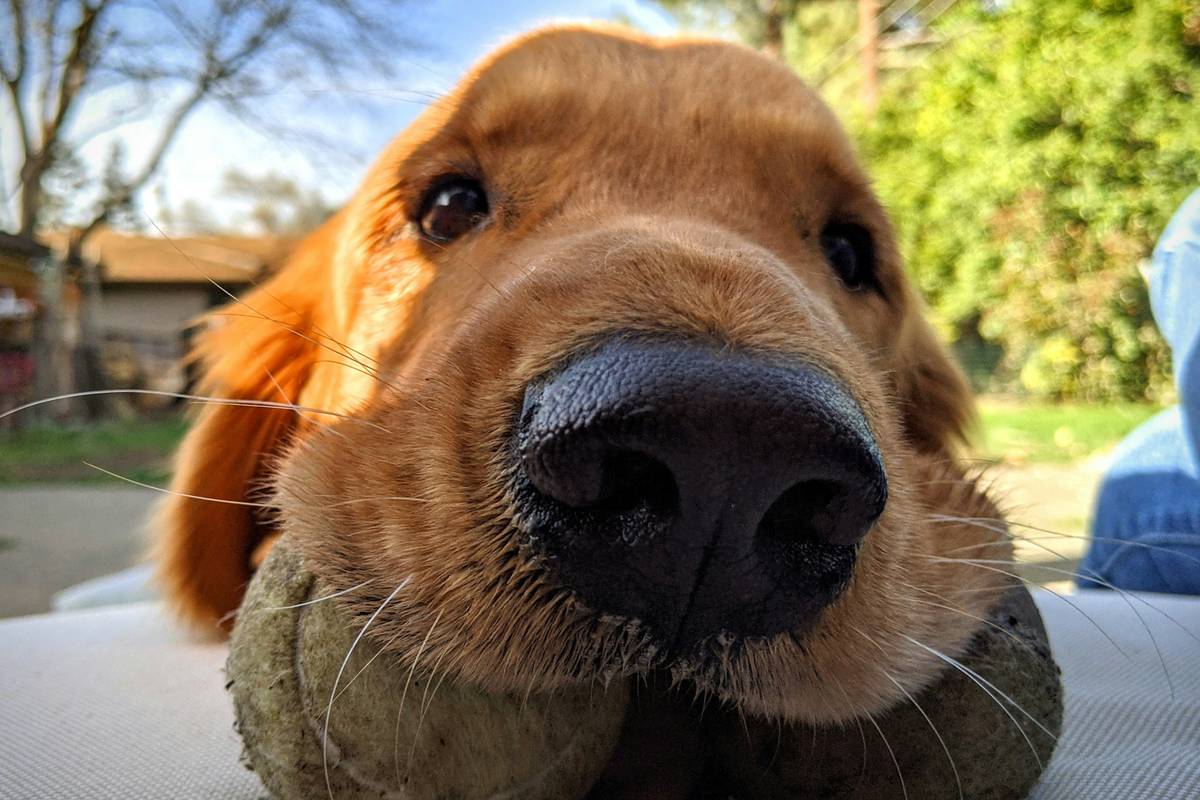
Ever felt like your rescue dog just doesn’t “get” you? You’re not alone. Many pet parents struggle with training their rescue pups, especially when it comes to harnessing one of their strongest tools—their incredible sense of smell.
Welcome to the world of dog nose scent training, where science meets sniffing! By tapping into your rescue dog’s natural instincts, this training method can transform even the most anxious or aloof pup into a confident companion. In this post, we’ll explore why scent training works miracles for rescue dogs, provide actionable steps to get started, and sprinkle in some honest tips along the way (because nothing ruins training faster than unrealistic expectations).
Table of Contents
- Key Takeaways
- Why Scent Training Matters for Rescue Dogs
- Step-by-Step Guide to Dog Nose Scent Training
- Best Practices for Success
- Real-Life Success Stories
- FAQs About Dog Nose Scent Training
- Conclusion
Key Takeaways
- Scent training activates your rescue dog’s natural instincts, boosting confidence and reducing anxiety.
- A strong bond forms through positive reinforcement during dog nose scent training.
- Start simple—use treats your dog loves and gradually increase difficulty as they progress.
- Consistency is key; aim for short but frequent sessions (5-10 minutes daily).
- Not all dogs will take to scent work immediately—patience pays off!
Why Scent Training Matters for Rescue Dogs
Rescue dogs often arrive in our lives burdened by past trauma, fear, or uncertainty. They may lack trust, have unpredictable behaviors, or simply seem disinterested in engaging with us. Here’s where dog nose scent training shines brighter than a tennis ball under stadium lights:
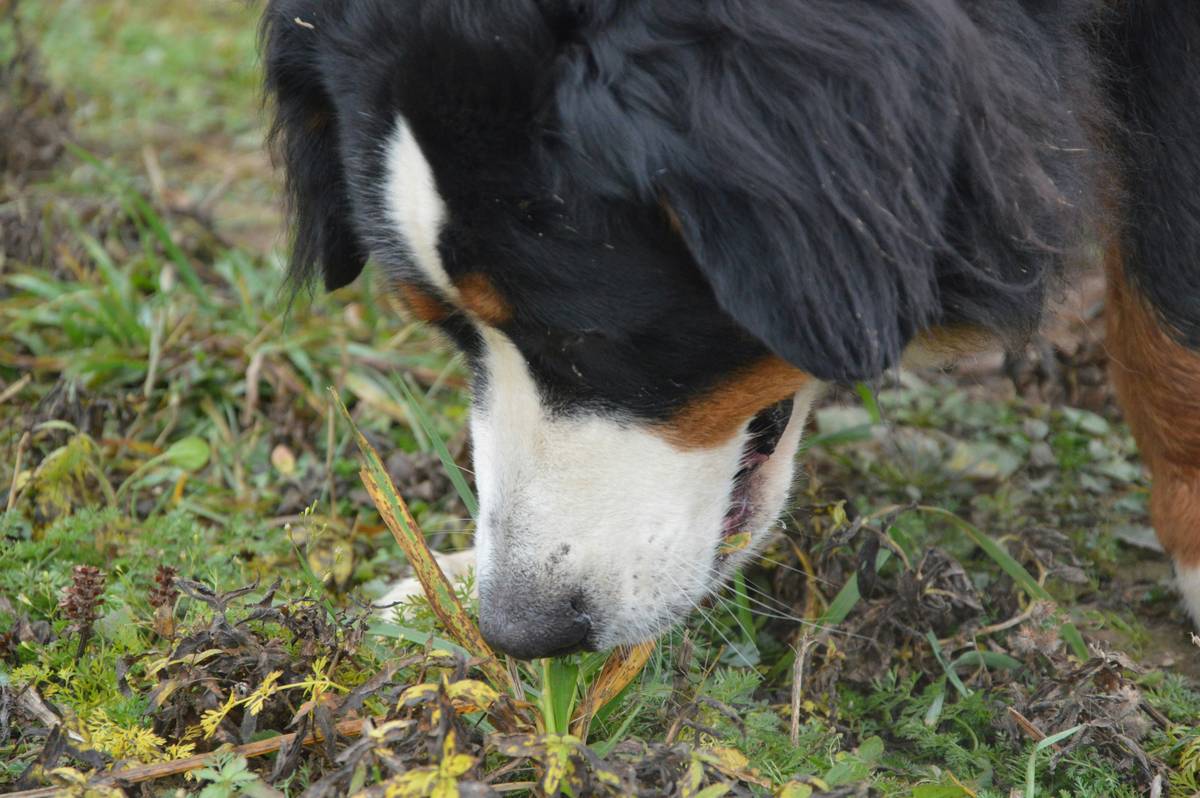
“I once tried teaching my newly adopted Boxer mix named Max to sit on command,” confesses Rachel T., a proud rescue mom from California. “But he kept wandering off mid-session, distracted by smells I couldn’t even detect. Turns out, his superpower was right under my nose—literally!”
Did you know that a dog’s sense of smell is anywhere from 10,000 to 100,000 times better than ours? For rescue dogs, engaging this powerhouse sense offers mental stimulation, builds focus, and fosters a deep connection between handler and hound.
Rant Alert:
Can we talk about how every generic guide suggests “just use treats”? Ugh, fine—but low-quality treats are about as motivating as soggy kibble. Invest in something drool-worthy if you want results. Trust me, your dog will thank you later.
Step-by-Step Guide to Dog Nose Scent Training
Step 1: Choose High-Value Rewards
Optimist You: “Treats make everything better!”
Grumpy You: “Only if those treats are top-tier.”
Select rewards your dog goes bananas for (think chicken strips or freeze-dried liver). Avoid bargain-bin options unless you enjoy watching your dog sniff air instead of working.
Step 2: Start Small and Simple
Begin by placing a treat inside an open hand or container so your dog learns to associate finding the scent with receiving a reward. Once mastered, hide the treat nearby while encouraging them to “find it.”
Step 3: Introduce Complex Challenges
Gradually introduce obstacles like closed boxes, hidden objects, or different rooms to amp up the challenge. Keep sessions fun and celebratory—it’s supposed to feel less like homework and more like playtime!
Best Practices for Success
- Be Patient: Like trying to teach Photoshop skills to someone who’s never seen a computer, scent training takes time.
- End on a Positive Note: No matter how the session goes, end with success—even if it’s tiny—to build confidence.
- Tailor Sessions to Your Dog: Each pooch is unique; what excites one might bore another. Experiment until you find the sweet spot.
- Avoid These Terrible Tips: Never force your dog to participate. Pushing too hard too fast creates stress, which defeats the purpose.
Real-Life Success Stories
Lisa adopted Charlie, a timid Beagle mix, who spent most days cowering behind furniture. After introducing dog nose scent training, Charlie blossomed into a curious adventurer who now leads neighborhood sniffaris.
Another case study involves Duke, a senior Golden Retriever rescued at age 9. His new family feared he’d never adapt due to arthritis and shyness. But once introduced to scent games, Duke became the life of every family gathering—showing age truly is just a number.
FAQs About Dog Nose Scent Training
How long does it take to see results?
Every dog is different. Some show improvement within weeks, while others need months. Stay consistent and celebrate small victories along the way.
What if my dog isn’t interested?
Switch up rewards or adjust environment distractions. Sometimes reevaluating your approach reveals surprising breakthroughs.
Is this suitable for older dogs?
Absolutely! Scent training benefits dogs of all ages, keeping their minds sharp and bodies engaged.
Conclusion
Training your rescue dog using dog nose scent training taps into their innate abilities, fostering trust, confidence, and joy. From overcoming anxieties to sparking curiosity, the benefits extend far beyond basic obedience. Remember: progress over perfection—and always bring coffee (for you) and premium treats (for them).
Like a Tamagotchi, your training regimen needs daily care,
Nurturing both hearts—one snout at a time,
So grab those treats and start the game!