Have you ever watched a search-and-rescue dog leap into action during an emergency and wondered, “Could my rescue pup do that?” These incredible dogs are more than just furry companions—they’re heroes in their own right. But training them requires dedication, patience, and the right approach. In this guide, you’ll uncover the secrets of search and rescue techniques tailored to rescue dogs—yes, even those with troubled pasts. You’ll learn how to assess readiness, implement proven strategies, and avoid rookie mistakes (like overloading your dog on day one).
Table of Contents
- Key Takeaways
- Why Search and Rescue Matters for Rescue Dogs
- Step-by-Step Guide to Training Your Rescue Dog
- Best Practices for Mastering Search and Rescue Techniques
- Real-Life Success Stories: From Stray to Hero
- FAQs About Search and Rescue Dog Training
Key Takeaways
- Search and rescue techniques can transform rescue dogs into lifesaving partners.
- Start slow and focus on building trust before introducing advanced skills.
- Avoid overwhelming your dog; consistency is key to success.
- Positive reinforcement creates long-term behavioral change.
- Success stories show that any dog, regardless of background, has potential.
Why Search and Rescue Matters for Rescue Dogs
Rescue dogs often come from challenging backgrounds—neglect, abuse, abandonment, or trauma. While some may seem broken beyond repair, they’re actually bursting with untapped potential. Turning these dogs into search-and-rescue heroes isn’t just about teaching commands—it’s about giving them purpose, confidence, and redemption.
“Confession: I once tried skipping basic obedience because I thought my rescue dog was ‘too old’ to learn. Spoiler alert: I failed miserably.”
— A Humble Pet Trainer
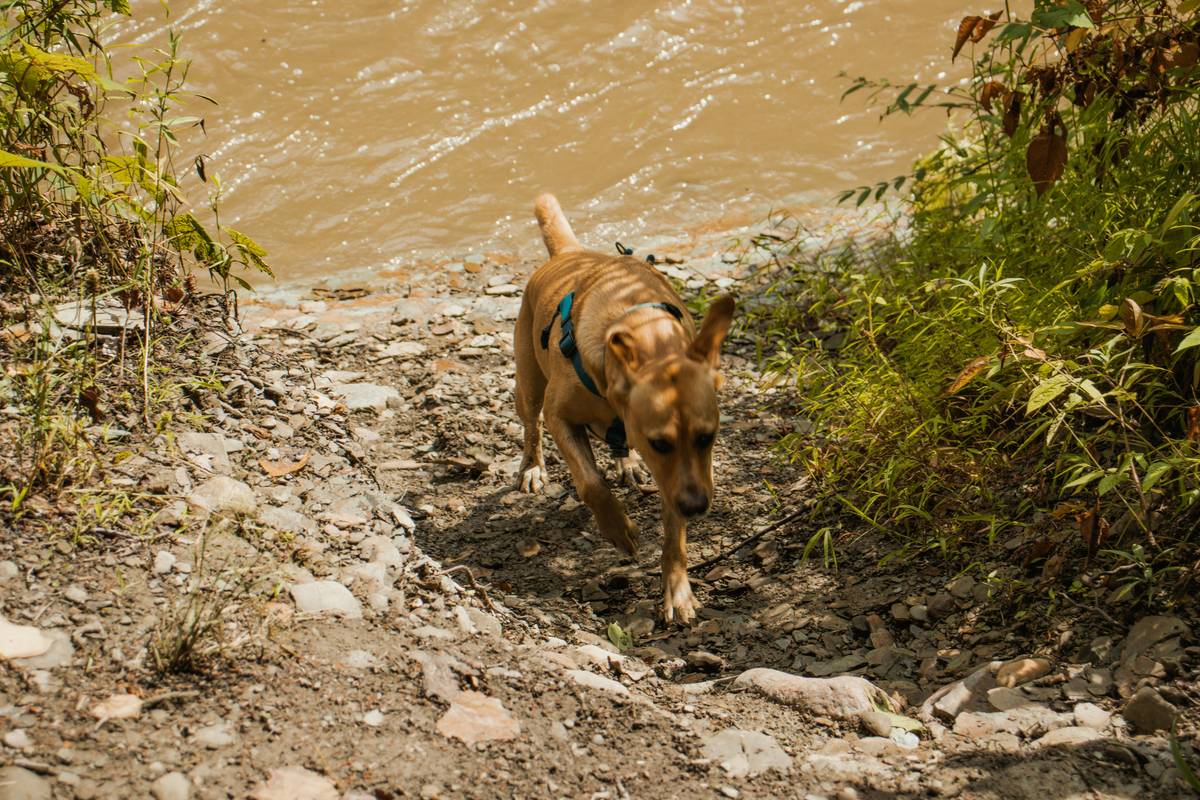
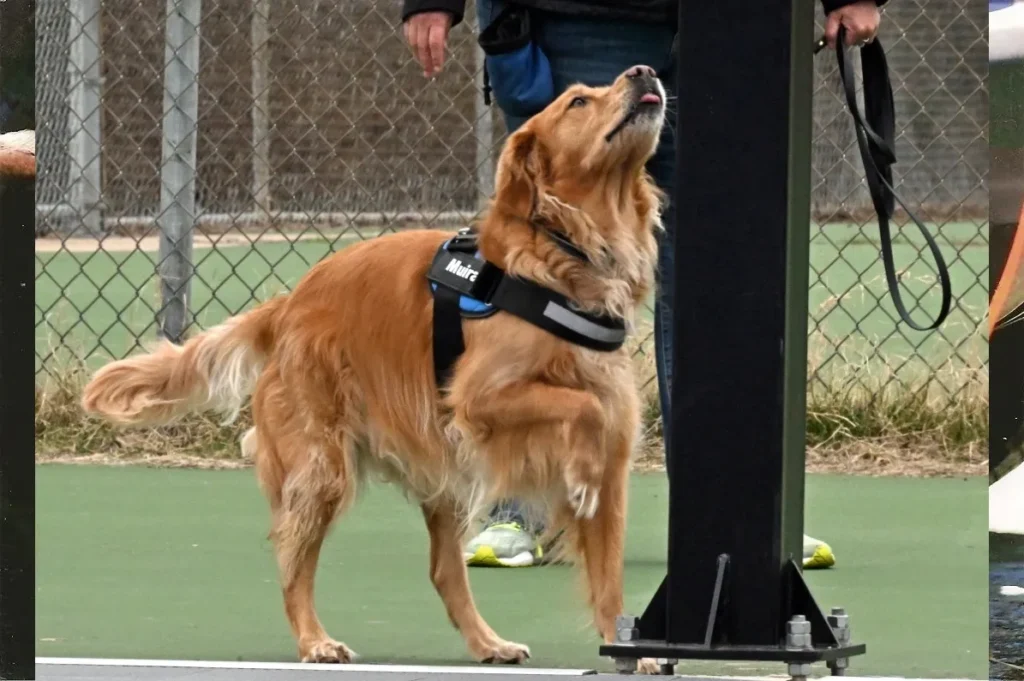
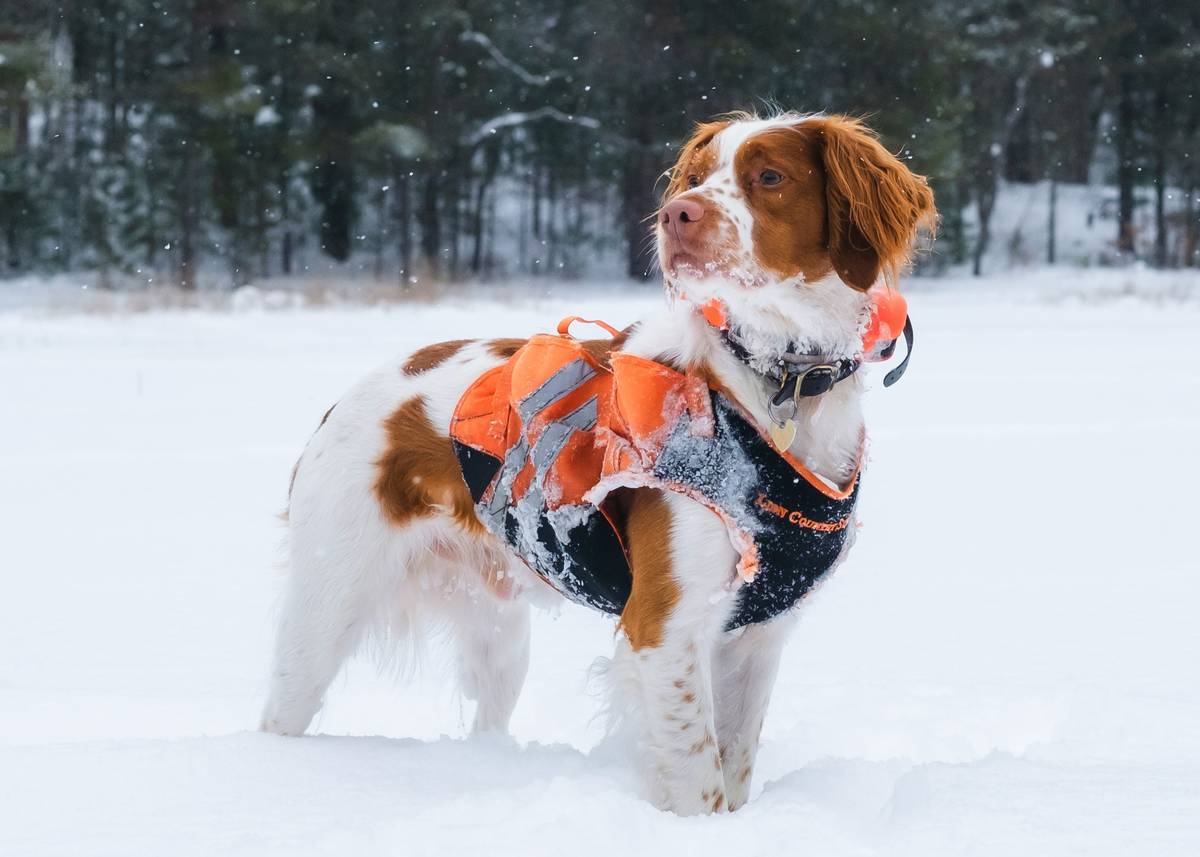
If you’ve adopted a rescue dog, consider whether they might thrive as a search-and-rescue companion. Not every dog will qualify, but many possess traits like intelligence, stamina, and drive that make them perfect candidates. Picture it: Your once-shy shelter pup sniffing out survivors after natural disasters—or finding lost hikers in treacherous terrain. Sounds epic, right? Let’s break down exactly how to get there.
Step-by-Step Guide to Training Your Rescue Dog
Step 1: Assess Readiness
Before diving headfirst into search and rescue techniques, evaluate your dog’s temperament:
- Is your dog social and comfortable around strangers?
- Do they have high energy levels?
- Are they naturally curious and eager to explore?
If you answered “no” to any of these, don’t panic. Some traits can be developed—but honesty here saves frustration later.
Step 2: Build Trust Through Bonding
This is non-negotiable. Many rescue dogs need extra time to bond due to past experiences. Spend several weeks focusing solely on strengthening your relationship through play, walks, and positive reinforcement exercises.
Step 3: Teach Basic Obedience Commands
Your dog must master foundational commands such as sit, stay, recall, and heel. Without this base layer, advanced skills become nearly impossible.
Step 4: Introduce Scent Work
Search and rescue training revolves around scent detection. Start small by hiding treats at home and encouraging your dog to find them. Gradually increase difficulty as they improve.
Step 5: Simulate Real-Life Scenarios
Create controlled environments mimicking real emergencies—for instance, obstacle courses or mock missing-person scenarios.
Best Practices for Mastering Search and Rescue Techniques
- Use Positive Reinforcement Only: Reward good behavior instantly with treats, praise, or toys.
- Maintain Consistency: Stick to regular sessions without long breaks between lessons.
- Prioritize Physical Health: Ensure your dog stays fit and healthy enough to handle demanding tasks.
- Seek Professional Guidance: Work with certified trainers specializing in search and rescue.
- Be Patient: Progress takes time. Celebrate small victories along the way.
Real-Life Success Stories: From Stray to Hero
Meet Max, a scrappy stray who went from dodging traffic on city streets to becoming a certified search-and-rescue champion. His owner, Sarah, recalls:
“Max flunked every test when we first started—he was terrified of water obstacles and froze during loud noises. But persistence paid off. After two years of training, he located a missing child last winter.”
— Sarah T., Search & Rescue Volunteer
Pro Tip: Don’t underestimate the power of determination. Every rescue dog has its own unique timeline.
FAQs About Search and Rescue Dog Training
1. Can all rescue dogs become search-and-rescue animals?
Nope. Some dogs lack the physical or mental aptitude required for the job. However, most can benefit from learning simpler forms of scent work!
2. How long does search and rescue training take?
Typically 6 months to 2 years, depending on the dog’s starting point and the complexity of tasks involved.
3. What happens if my dog fails certification tests?
Failing doesn’t mean failure forever! Use feedback to refine weak areas and try again. Even un-certified dogs can still assist in less formal capacities.
4. Isn’t professional training expensive?
Sadly, yes. But local clubs, volunteer groups, and DIY resources can help offset costs significantly.
Conclusion
Training a rescue dog in search and rescue techniques is no walk in the park—but oh, what a rewarding journey it is. Whether your goal is to volunteer with local organizations or simply give your dog a fun challenge, remember this: The process itself strengthens bonds and builds resilience.
So grab the leash, toss aside doubt, and start exploring those sniff-worthy possibilities. Together, you’ll rewrite your dog’s story—one paw-print at a time.
Like a Tamagotchi, your SEO needs daily care:
Patience plus practice equals peak performance.