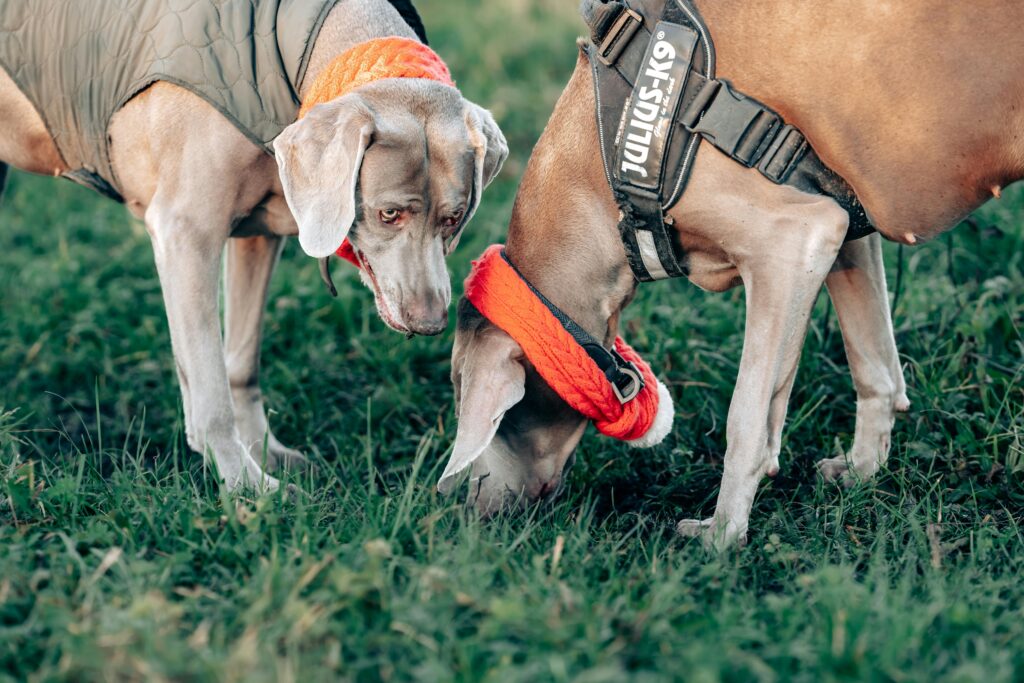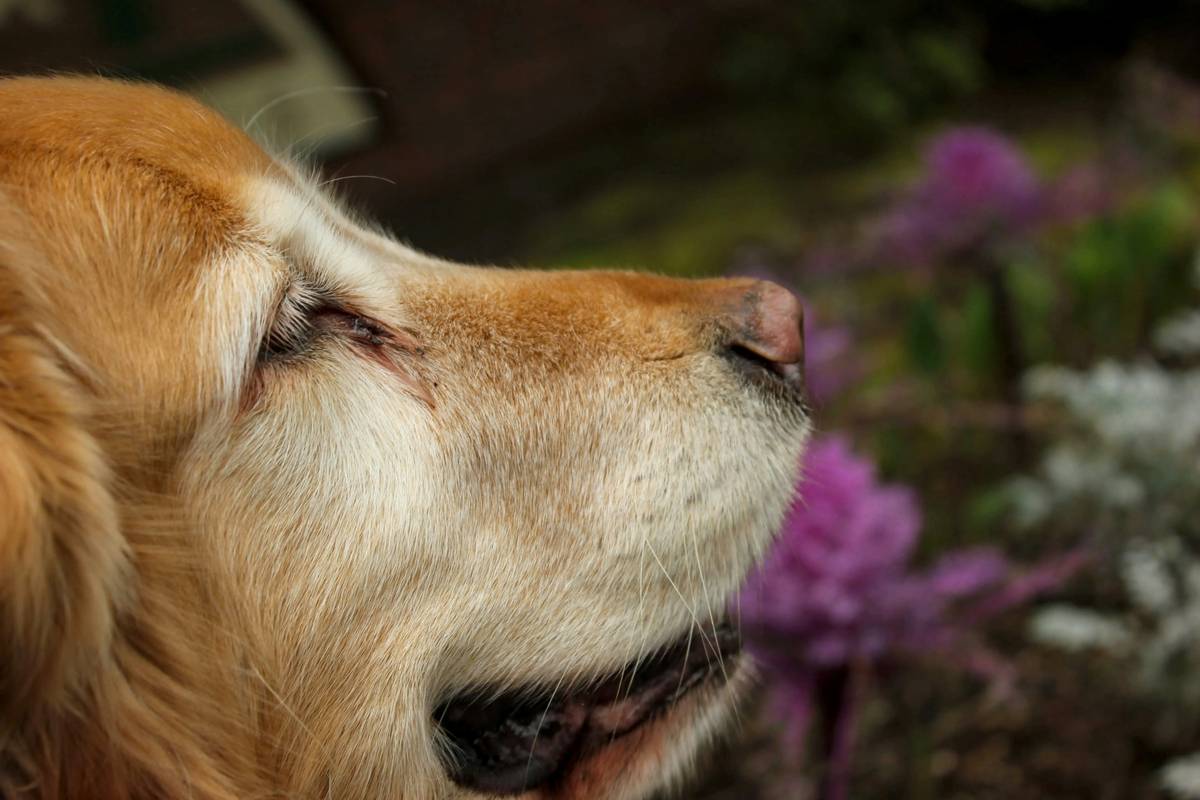
Ever felt like your rescue dog’s nose is smarter than your GPS? Yeah, us too.
Bringing a rescue dog into your home can feel like adopting Sherlock Holmes in fur form. But here’s the deal: if you want to harness that brilliant snout for more than sniffing out snacks, mastering trained scent indication might just be your secret weapon. By teaching your pup how to identify specific scents and alert you accordingly, you’re not only bonding—you’re creating a shared language unique to both of you.
In this guide, we’ll break down everything from why trained scent indication matters for rescue dogs to step-by-step methods to teach it effectively. Plus, tips, real-world examples, and yes—even some brutal honesty about what doesn’t work. Let’s get started!
Table of Contents
- Why Trained Scent Indication Matters for Rescue Dogs
- Step-by-Step Guide to Teaching Trained Scent Indication
- Pro Tips for Successful Training Sessions
- Real-Life Success Stories: From Chaos to Canine Confidence
- Frequently Asked Questions About Trained Scent Indication
Key Takeaways:
- Trained scent indication helps build trust between you and your rescue dog while leveraging their natural instincts.
- A systematic approach using positive reinforcement works best when training scent recognition skills.
- Patience, consistency, and patience (yes, again!) are non-negotiable.
- This skill has practical applications, including medical alerts or finding lost items around the house.
Why Trained Scent Indication Matters for Rescue Dogs
Rescue dogs often come with baggage—sometimes literally. These pups may have survived neglect, abandonment, or trauma before landing in your loving arms. Their past experiences mean they’ll need extra TLC to feel secure and confident. Enter: trained scent indication.
Training your rescue dog to recognize and indicate specific scents isn’t just fun—it’s transformative. Here’s why:
- Mental Stimulation: Dogs are born detectives; giving them puzzles to solve keeps their brains sharp.
- Bond Building: Working together strengthens trust and communication.
- Practical Applications: Some trained scent tasks include detecting allergens, diabetic episodes, or even missing socks (*whirrrr*).

“Optimist You: ‘This will be so rewarding!’
Grumpy You: ‘Who knew slobber could smell so…scientific?'”
Step-by-Step Guide to Teaching Trained Scent Indication
Alright, let’s dig into the nitty-gritty. Below is a proven method to train your rescue dog on scent indication without losing your sanity—or theirs.
Step 1: Choose Your Target Scent
Start small. Pick something simple yet distinct, like mint oil, vanilla extract, or an old sock (just kidding…kind of). Keep it consistent throughout training.
Step 2: Introduce the Scent
Show your dog the scent container briefly. Praise them enthusiastically whenever they show interest (*chef’s kiss*).
Step 3: Reward Curiosity
Use treats as rewards every time your dog investigates the scent. Positive reinforcement = happy learner.
Step 4: Add Distance Gradually
Move the scent further away over multiple sessions. Encourage your dog to seek it out and “indicate” by sitting or barking near the source.
Step 5: Generalize Commands
Create a verbal cue (“Find it!”) paired with gestures. Reinforce this connection repeatedly until muscle memory kicks in.
The Terrible Tip:
“Just stick anything smelly under their nose—they’ll figure it out.” WRONG. Overwhelming smells confuse dogs. Stick to one scent per task, folks.
Pro Tips for Successful Training Sessions
- Keep Sessions Short: Aim for 5–10 minutes max. Any longer and Fido turns into Mr. Grumps-a-Lot.
- Vary Locations: Practice indoors, outdoors, at the park—wherever life takes you.
- Celebrate Wins: Throw a mini dance party after each success. Trust me, your dog won’t judge.
- Don’t Rush Progress: Mastery takes time. Be patient. Seriously.
Real-Life Success Stories: From Chaos to Canine Confidence
Let’s talk about Max, a scrappy Shepherd mix adopted from a shelter. At first, he was wary of new environments and prone to anxiety. His owner decided to try trained scent indication using lavender-scented cotton balls. Within weeks, Max became a pro, alerting her whenever someone left a door open (*hellooo escaped cat!*).
Or take Luna, a Border Collie who learned diabetics’ glucose-monitoring techniques through scent training. Her handler credits scent exercises for boosting Luna’s confidence—and saving lives.
Frequently Asked Questions About Trained Scent Indication
Q: What if my rescue dog ignores the scent?
A: Patience, grasshopper. Use higher-value treats (think bacon-flavored yummies), and reduce distractions during early stages.
Q: How long does it take to train a rescue dog?
A: On average, 6–8 weeks—but individual progress varies based on personality and prior experiences.
Q: Can older rescue dogs learn new tricks?
A: Absolutely. Age ain’t nothing but a number. Just tailor lessons to match their energy levels and limitations.
Conclusion
Teaching trained scent indication transforms rescue dogs into heroes with noses sharper than ever. It builds trust, provides mental enrichment, and opens doors to meaningful teamwork.
So grab those treats, pick your target scent, and embark on this adventure together. Who knows? You might end up with a partner who finds your keys faster than you do.
And hey, if all else fails…there’s always Google Maps, right?
“Like Pikachu shocking Ash,
Your pup alerts—the bond grows fast.
Scent games last!”