Table of Contents
- Introduction
- Why Lost Person Search Matters for Rescue Dogs
- Step-by-Step Guide to Training Your Rescue Dog
- Best Practices for Effective Training Sessions
- Real-Life Success Stories of Rescue Dogs in Action
- Frequently Asked Questions About Lost Person Search Training
- Conclusion
Introduction
Imagine this: You’re hiking with your newly adopted rescue dog when you realize someone has gone missing. Would your pup know what to do? Most likely, they wouldn’t—unless trained properly. That’s where the lost person search method comes in.
Welcome to our ultimate guide on training your rescue dog for lost person searches! In this blog post, we’ll walk you through why this skill matters, how to train step by step, some brutal honesty about common mistakes, and tips to make it stick. By the end, you’ll feel ready to turn your furry friend into a lifesaving hero!
What You’ll Learn:
- Why teaching your rescue dog the lost person search method is critical.
- A detailed breakdown of the training process.
- Insider tips to avoid rookie errors.
- Inspiring real-world examples from trained dogs who found lost humans.
Key Takeaways
- The **lost person search method** can save lives—but requires consistent training.
- Start with basic obedience before diving into advanced techniques.
- Patience and positive reinforcement are non-negotiables.
- Never underestimate the power of mental stimulation during training sessions.
Why Lost Person Search Matters for Rescue Dogs
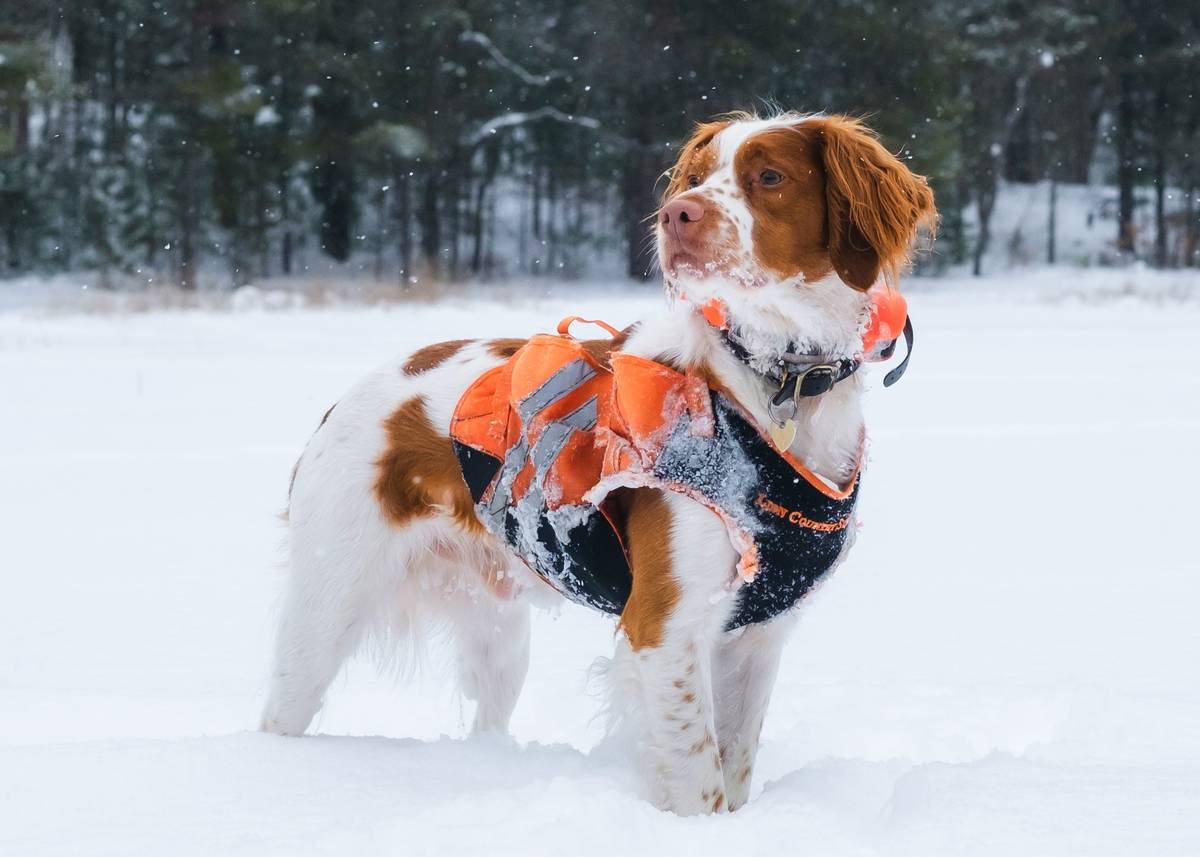
Let’s get real—rescue dogs come with baggage. Many spent their early days abandoned or neglected, leaving scars physical and emotional. But here’s the silver lining: With proper training, these resilient pups can channel their energy into something meaningful like finding lost people.
Did you know that over 60,000 people go missing annually in wilderness areas alone? Search-and-rescue teams rely heavily on canine companions to cover vast terrains quickly and effectively. While not every rescue dog will join official SAR (search-and-rescue) units, knowing the basics could mean helping reunite a family—or even saving a life.
“Optimist You:” “Teaching my pup to sniff out humans sounds amazing!”
“Grumpy You:” “Ugh, fine—but only if I don’t have to yell commands while wearing mud-soaked boots.”
Step-by-Step Guide to Training Your Rescue Dog
Ready to start? Grab treats, a leash, and loads of patience. Let’s dive in.
Step 1: Build Basic Obedience First
Before tackling anything fancy, ensure your rescue dog masters foundational commands like sit, stay, and recall. No shortcuts here—without solid groundwork, all bets are off.
Step 2: Introduce Scent Work
All breeds excel at scent work—it’s instinctual. Start small by hiding treats around the house and encouraging your dog to find them using smell rather than sight.
Step 3: Simulate Real-World Scenarios
Gradually increase difficulty by staging mock searches outdoors. Use specific scents like worn clothing items to mimic human odor. Reward lavish praise and treats upon success.
Step 4: Incorporate Commands Like “Find”
Once confident, introduce verbal cues such as “find” to signal that it’s time to locate someone. Repetition is key; consistency builds muscle memory.
Narrator Voice Insert: “Sounds easy enough, right? Spoiler alert—your first attempts might involve more chaos than triumph.”
Best Practices for Effective Training Sessions
- Keep Sessions Short: Aim for 5–10 minutes max per session. Anything longer risks frustration.
- Reward Creativity: If your dog tries new tactics unprompted, cheerlead their innovation!
- Stay Patient: Dogs sense stress faster than Wi-Fi drops during stormy weather.
- Avoid Negative Reinforcement: This tip is chef’s kiss terrible advice—it destroys trust instead of building it.

Real-Life Success Stories of Rescue Dogs in Action
Meet Max, a pitbull mix rescued from a shelter who now serves as part of his local SAR team. During one mission, he located a stranded hiker trapped in thick forest terrain within just two hours—a task humans would struggle with for days.
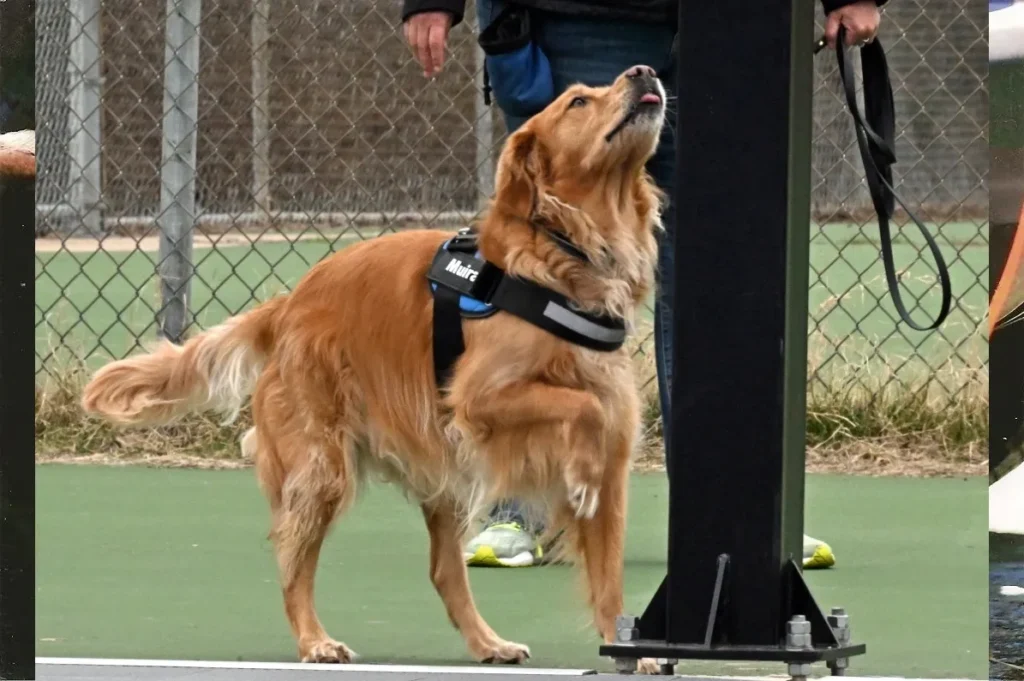
Another gem? Luna, a shy golden retriever once terrified of strangers, discovered her calling after mastering the lost person search method. She recently helped reunite a toddler separated from parents during a park outing.
Sensory Share Break:
“Hearing the tail wag against dry leaves? Chef’s kiss vibes for any trainer.”
Frequently Asked Questions About Lost Person Search Training
Q: Is breed irrelevant for this type of training?
Absolutely. Any breed can learn the lost person search method if motivated properly!
Q: How long does it take to see results?
Depends on the dog—some grasp concepts within weeks; others may need months. Consistency wins.
Q: What’s the worst mistake beginners make?
Overloading info too fast equals disaster. Think of it like cramming for exams: ineffective.
Conclusion
Congratulations—you’re armed with everything needed to teach your rescue dog the invaluable lost person search method. Remember, patience paired with positivity yields lifelong dividends. Go ahead and give your four-legged warrior a hug—they deserve it.
Like a Tamagotchi, your dog’s potential thrives with daily love and care. Now unleash those sniffing superpowers!