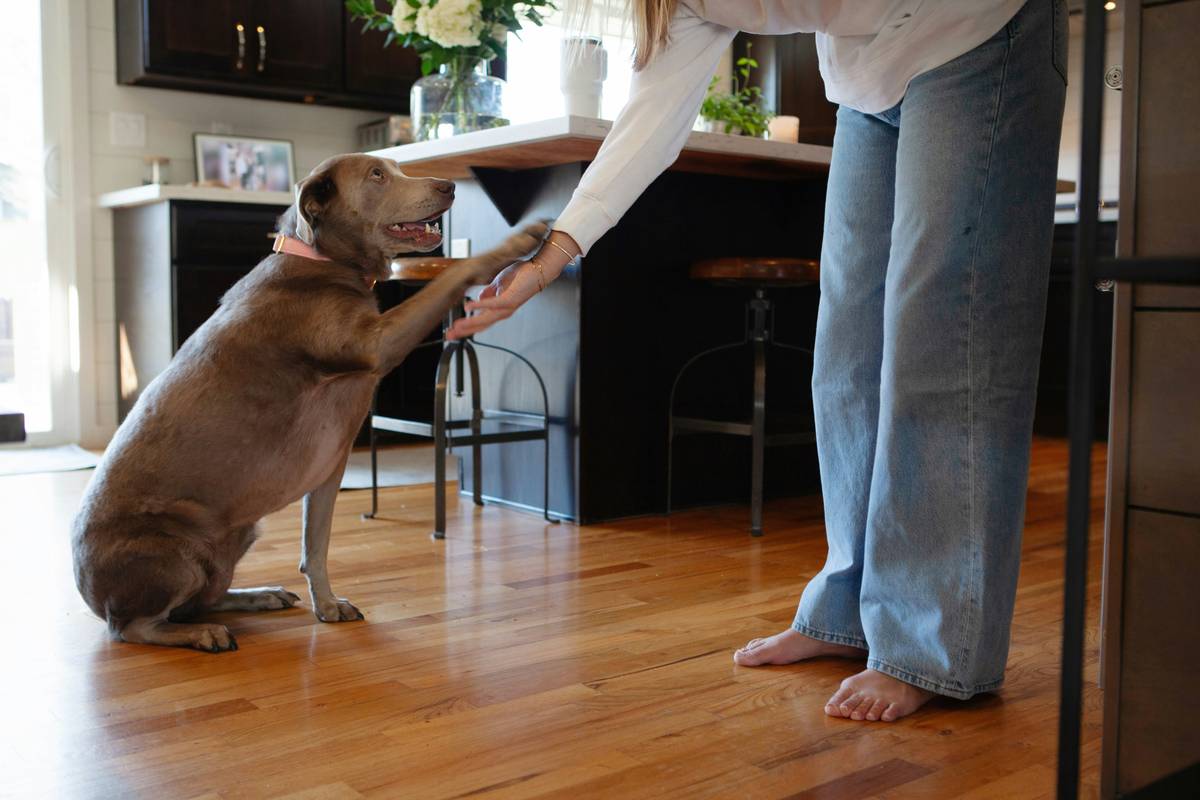
Ever tried teaching a rescue dog to trust you, only to be met with stubborn resistance? You’re not alone. Many pet owners struggle when it comes to training their newly adopted furry friends. Whether it’s fear-based behaviors or past trauma, rescue dogs often need special attention—and patience—to thrive in their new homes. But what if there was a proven method that not only builds trust but also strengthens your bond through teamwork?
In this article, we’ll explore the transformative power of joint search exercises, a lesser-known yet highly effective approach for rescue dog training. You’ll learn:
- Why joint search exercises work wonders for rescue dogs.
- A step-by-step guide on how to implement them.
- Tips and tricks from real-life success stories.
- Frequently asked questions (and some brutal honesty about what *not* to do).
Table of Contents
- Key Takeaways
- Why Rescue Dogs Need Special Training Methods
- Step-by-Step Guide to Joint Search Exercises
- Top Tips for Success
- Real-Life Examples of Joint Search Exercises in Action
- FAQs About Joint Search Exercises for Rescue Dogs
Key Takeaways
- Joint search exercises build trust between you and your rescue dog by creating shared goals.
- Start small with simple searches at home before progressing to more complex tasks outdoors.
- Always reward effort—not just results—to encourage confidence and persistence.
- Patience is key; every rescue dog learns at their own pace.
Why Rescue Dogs Need Special Training Methods
Rescue dogs are like puzzle pieces missing half their edges—they’ve been through rough patches, and fitting into a new family isn’t always easy. I once adopted a sweet mutt named Max who would bolt under the bed whenever I reached out to pet him. It took weeks of trial and error (and a lot of soggy treats) to figure out his triggers.
The biggest challenge? Most traditional training methods assume a baseline level of trust—but many rescue dogs lack that foundation. Enter joint search exercises, an interactive way to rebuild trust while stimulating your pup’s natural instincts. These exercises mimic scenarios where dogs naturally excel—searching for food, toys, or hidden objects—all while working alongside their human partner.

Step-by-Step Guide to Joint Search Exercises
Ready to get started? Here’s a breakdown of how to introduce joint search exercises to your rescue dog:
Step 1: Choose Your Object
Select an item your dog loves—a favorite toy, a scented sock, or even a treat pouch. This will serve as the “target” during the exercise. Pro tip: Stick with one object until your dog masters finding it consistently.
Step 2: Start Indoors
Begin in a controlled environment like your living room. Hide the object somewhere simple (behind a pillow or inside an open box). Let your dog sniff around while encouraging them verbally (“Find it!”).
Step 3: Gradually Increase Difficulty
Once they’re comfortable indoors, move the game outside. Use parks, backyards, or hiking trails—but keep distractions minimal at first. Remember, grumpy optimism applies here: “Optimist You says, ‘This is going to be so fun!’ Grumpy You counters, ‘Ugh, fine—but bring snacks.’”
Step 4: Reward Effort, Not Perfection
Celebrate every win, no matter how tiny. If your dog goes near the right spot, praise lavishly. Treats help too—it’s like bribery, but ethical.
Top Tips for Success
- Keep Sessions Short: Aim for 5–10 minutes per session to avoid overwhelming your pup.
- Use Scent Markers: Rubbing the target object against various surfaces can make the scent easier to detect.
- Vary Locations: Switch up environments to challenge your dog’s adaptability.
- Stay Calm and Patient: Sound like your laptop fan whirrrring when things go sideways? Breathe. Your stress affects your dog.
Terrible Tip Alert: Don’t punish your dog for failing. Negative reinforcement kills motivation faster than you can say “nope.” Instead, redirect their energy toward something positive.
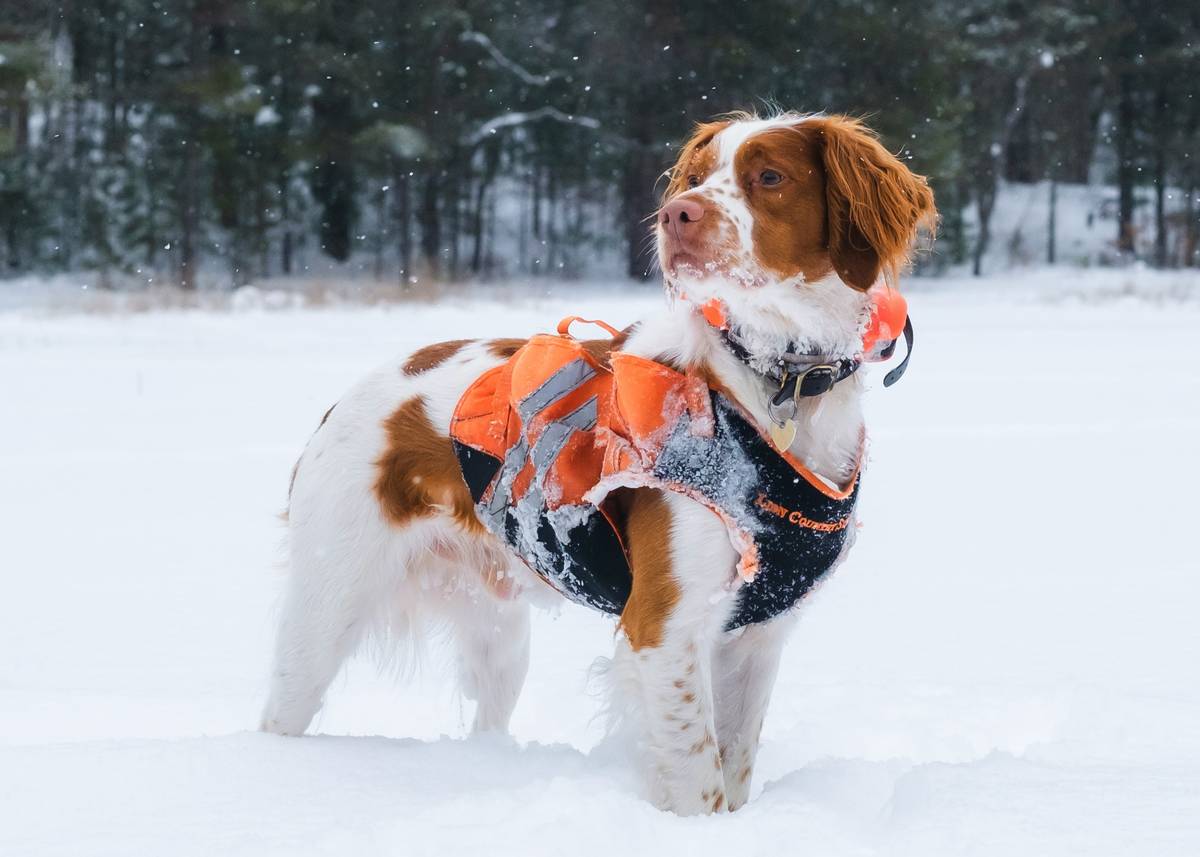
Real-Life Examples of Joint Search Exercises in Action
I met Sarah, a fellow pet parent whose rescue hound Bella had severe separation anxiety. After incorporating daily joint search exercises into their routine, Sarah noticed profound changes within weeks. Bella became calmer, more focused, and even started initiating playtime—a clear sign of bonding!

FAQs About Joint Search Exercises for Rescue Dogs
Q: How long does it take to see progress?
A: Every dog is different. Some may show improvement in days, while others might take months. Consistency is crucial.
Q: Can any breed benefit from joint search exercises?
A: Absolutely! While certain breeds have stronger noses (we’re looking at you, Beagles), all dogs possess innate searching abilities.
Q: What if my dog loses interest quickly?
A: Keep sessions exciting by varying locations, using high-value rewards, or adjusting difficulty levels.
Conclusion
Training a rescue dog requires creativity, patience, and plenty of love. Joint search exercises offer a unique opportunity to connect deeply with your furry companion while fostering trust and confidence. So grab those treats, gather your supplies, and embark on this rewarding journey together.
And remember, like a Tamagotchi, your SEO needs daily care…or was that just me?