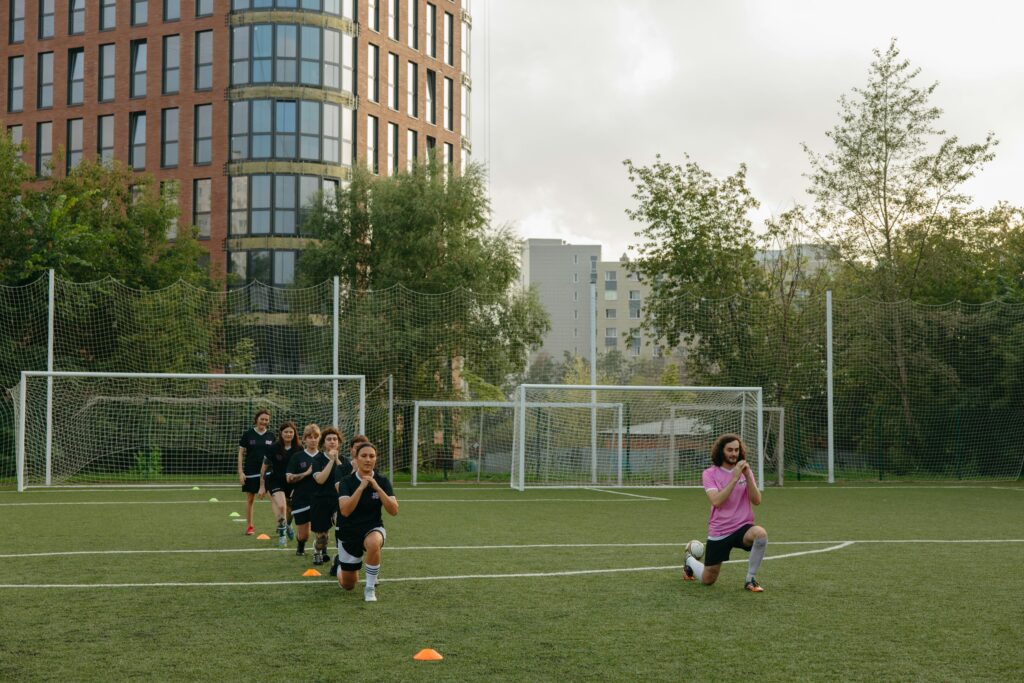
Ever tried teaching a rescue dog basic commands only for them to ignore you completely? You’re not alone. Many pet owners struggle with this, and it often boils down to one overlooked factor—handler synchronization. If your cues are as mismatched as socks in a laundry basket, how can you expect your furry friend to follow along?
In this post, we’ll dive into what handler synchronization is and why it’s the game-changer in rescue dog training. We’ll break down actionable steps, share quirky tips (and yes, even rant about common mistakes), and wrap up with real-world examples that prove this method works.
Table of Contents
- Key Takeaways
- The Problem with Rescue Dog Training
- Step-by-Step Guide to Handler Synchronization
- Tips for Success
- Case Studies
- FAQs
Key Takeaways
- Handler synchronization ensures consistency between verbal and non-verbal cues during training.
- Poor synchronization leads to confusion and slower progress in rescue dogs.
- Simple techniques like unified body language and consistent timing make all the difference.
- Real-life success stories show dramatic improvements when handlers prioritize synchronization.
The Problem with Rescue Dog Training
Let’s face it—training any dog takes patience, but rescue dogs come with their own set of challenges. They’ve often endured trauma or neglect, making trust-building essential yet tricky. One rookie mistake I made early on: giving mixed signals without realizing it.
Confessional Fail: Picture me waving my arms wildly while shouting “sit” at Buddy, my overly energetic rescue mutt. He just stared blankly back. Was he confused? Oh heck yeah—and so was I! It wasn’t until later that I realized my chaotic energy was sabotaging our bond.
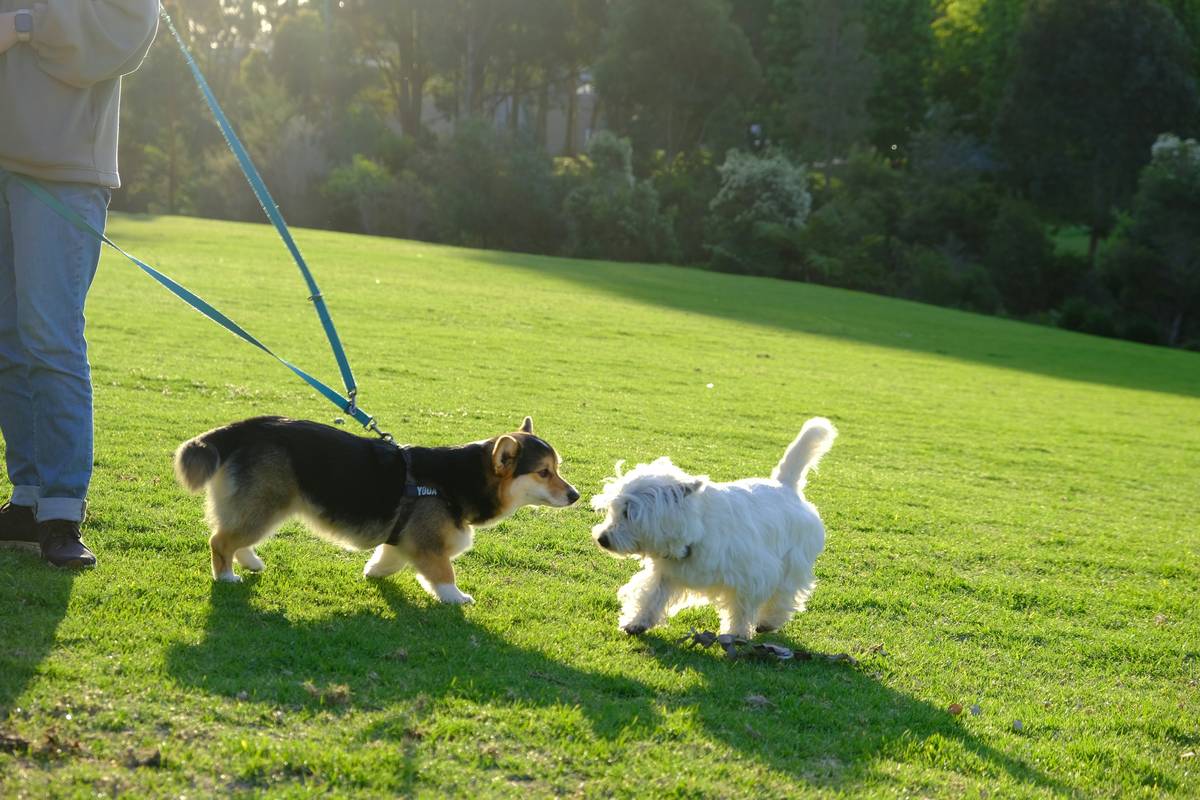
Mismatched cues—not speaking their language—are among the biggest hurdles in training rescue pups. This is where handler synchronization becomes your secret weapon.
Step-by-Step Guide to Handler Synchronization
Why Sync Matters First
Imagine trying to learn dance moves from two instructors who demonstrate totally different steps simultaneously—it’s chaos, right? That’s exactly how your dog feels if your voice says “stay,” but your hand gestures say otherwise.
Step 1: Audit Your Cues
Grab a mirror—or better yet, record yourself training. Notice discrepancies? For example, saying “down” while standing tall might send confusing vibes. Adjust until words and movements align seamlessly.
Step 2: Practice Consistent Timing
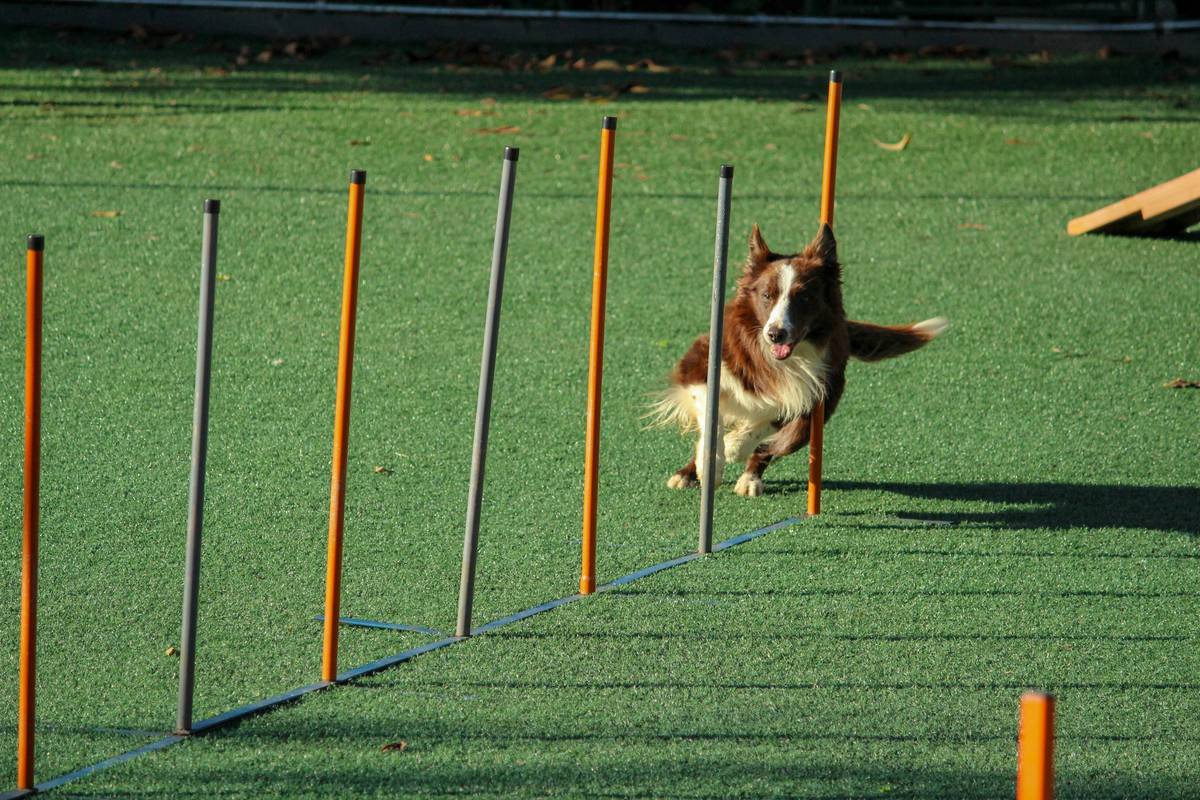
Dogs thrive on patterns. Reward immediately after desired behavior; delay kills clarity. Use treats or clicks precisely when they nail the action.
Step 3: Involve Everyone in Your Household
If multiple people interact with your pup, ensure everyone uses identical cues. Mismatched commands lead to frustration—for both human AND hound.
Tips for Success
1. Keep Commands Short & Clear
Long phrases confuse pups. Stick to single-word commands like “sit,” “stay,” or “come.” Trust me—it’s chef’s kiss for drowning overwhelm.
2. Channel Zen Energy
Rant Alert: Nothing screams “I give up!” louder than frantic yelling during training sessions. Stay calm, breathe deep, and exude chill vibes—even if internally screaming, “WHY WON’T YOU JUST SIT?!”
TERRIBLE TIP Disclaimer:
DO NOT bribe endlessly with food. Sure, treats are tempting bribes, but over-reliance teaches dependency, not discipline. Balance rewards with praise and affection.
Case Studies
Meet Lucy, a fearful rescue Lab mix terrified of strangers. Her owner struggled initially because her tone sounded stern despite using gentle words. After mastering handler synchronization through coaching, Lucy transformed from skittish shaker to tail-wagger within months. Pro tip: Visual aids helped here—a flowchart showing paired actions/words simplified practice.
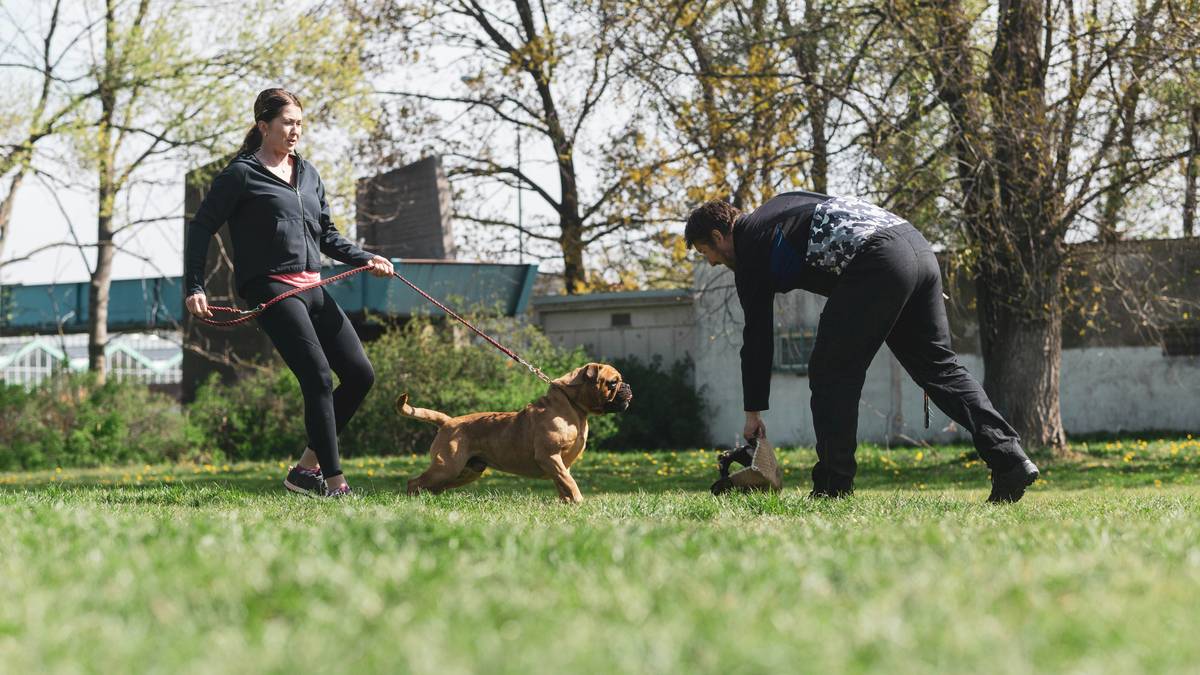
Another success story involves Max, once prone to leash aggression due to inconsistent tug-and-release habits by his family members. Post-sync training? A dream companion!
FAQs
Q: What is handler synchronization?
Handler synchronization refers to aligning verbal commands, physical gestures, and overall energy during pet training to avoid confusion and enhance communication.
Q: How long does it take to see results?
Every dog is unique, but most see noticeable improvement within weeks of implementing synchronized methods consistently.
Q: Can I do this solo, or should I hire a trainer?
While self-guided efforts work, enlisting professional help accelerates learning curves significantly.
Conclusion
We covered the vital role handler synchronization plays in effective rescue dog training. From auditing current practices to maintaining zen-like consistency, small adjustments yield massive gains. Remember, building trust takes time—but clear communication speeds things along nicely.
So next time Fido ignores your command, ask yourself: Am I synced enough?
Like a Tamagotchi, your relationship needs daily care.