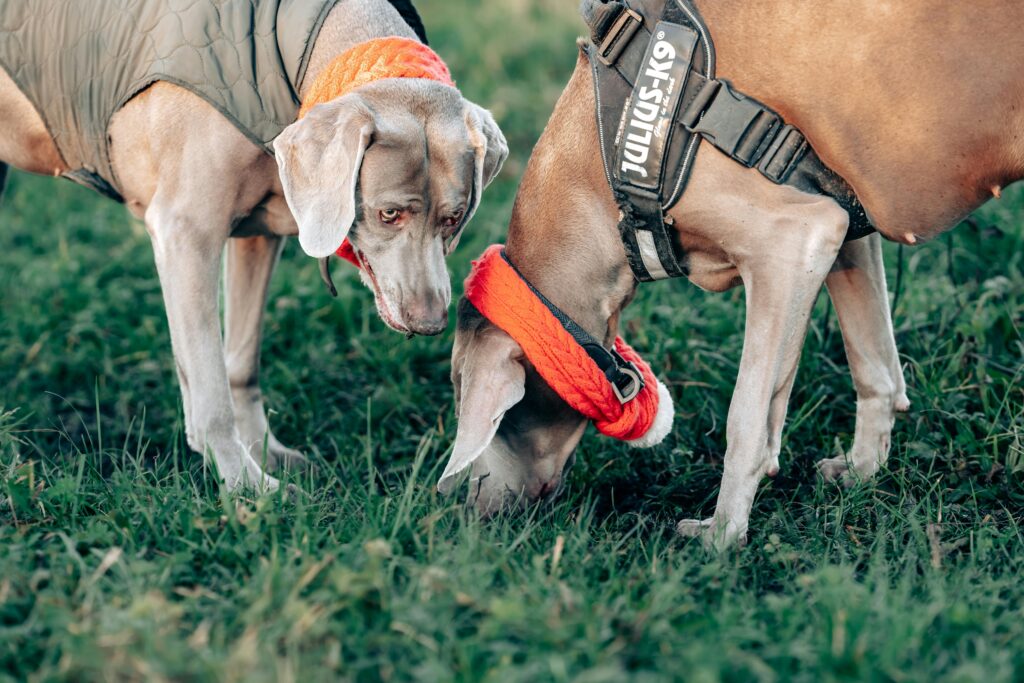
Ever wondered why your rescue dog seems so intrigued by scents? Or how you can channel their sniffing superpowers into something productive—like search dog odor detection? If you’ve ever caught your pup nose-deep in a pile of laundry and thought, “They could be a detective!” you’re not alone. Let’s dig (literally) into this fascinating world together.
In this guide, we’ll cover everything from understanding the importance of scent work for rescue dogs to actionable steps on training them for search dog odor detection. You’ll also learn best practices, common pitfalls, and insider tips (plus a rant or two). Ready? Let’s get started!
Table of Contents
- Key Takeaways
- Why Scent Work Matters for Rescue Dogs
- Step-by-Step Guide to Training Your Rescue Dog
- Tips & Best Practices for Success
- Real-Life Examples of Search Dog Heroes
- Frequently Asked Questions About Search Dog Odor Detection
Key Takeaways
- Search dog odor detection provides mental stimulation and builds confidence in rescue dogs.
- A structured approach using rewards and repetition is vital for success.
- Mistakes happen—don’t sweat it if your dog “fails” sometimes; they’re learning too!
- Avoid overtraining: keep sessions short and fun to prevent burnout.
Why Scent Work Matters for Rescue Dogs
Rescue dogs often come with baggage—the kind that doesn’t fit in an overhead compartment. Many were abandoned, neglected, or traumatized before finding their forever homes. Scent work, especially search dog odor detection, isn’t just about teaching obedience; it’s therapy disguised as playtime.
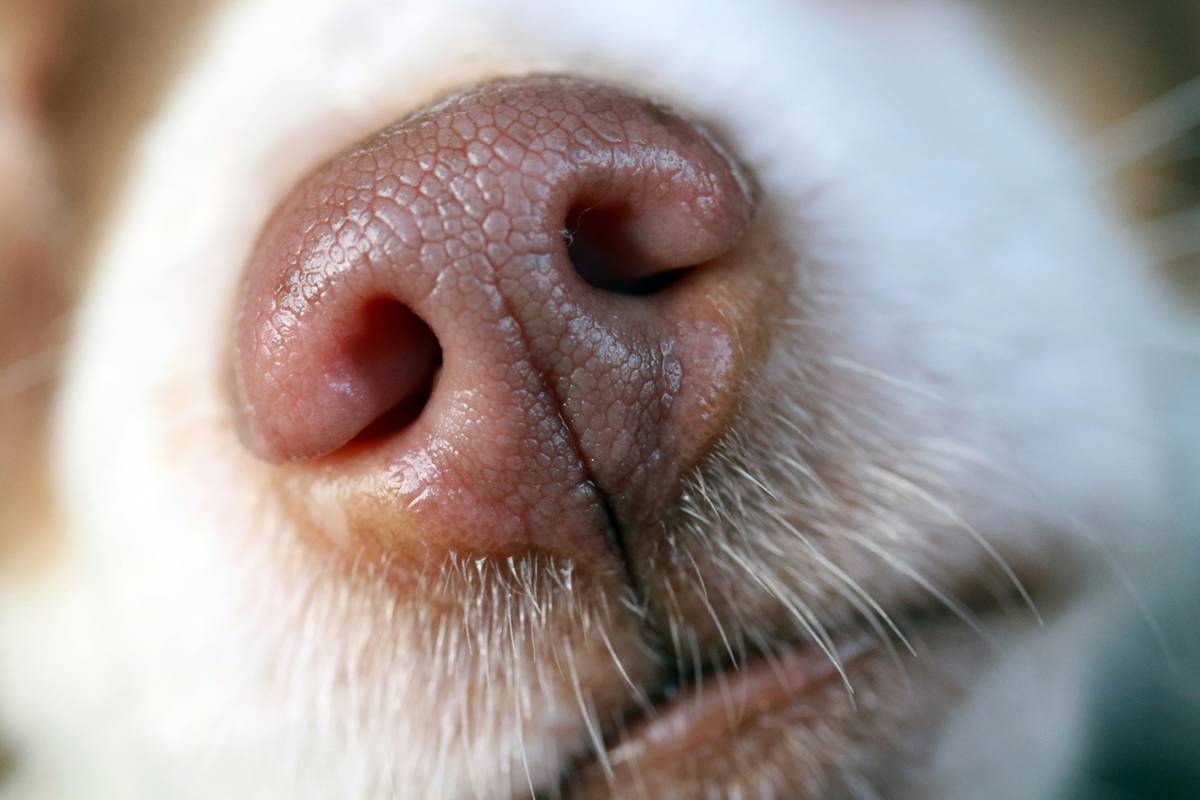
Think about it: these pups are natural-born sniffers. Their noses have up to 300 million olfactory receptors compared to our paltry 5 million. Ignoring such innate talent would be like giving Michelangelo a chisel and telling him to stop doodling.
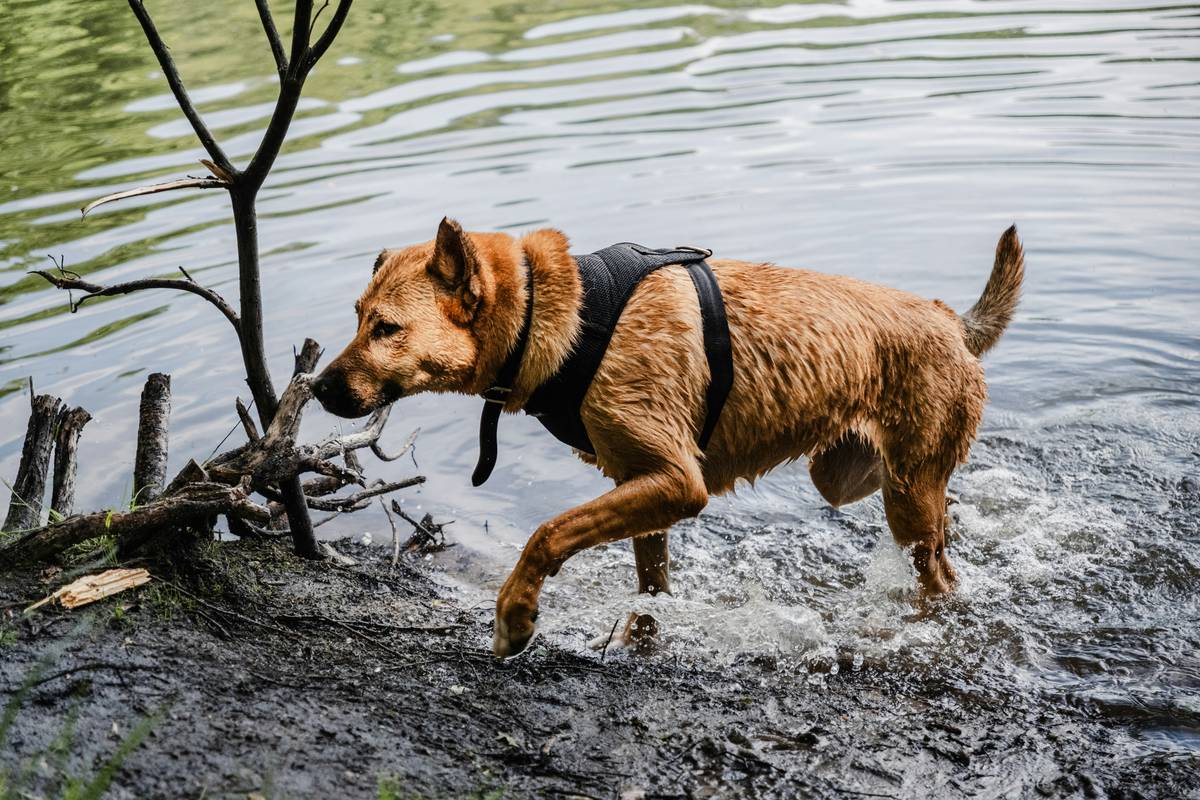
The Mental Health Boost:
Here’s where confession time comes in—I once ignored my own dog’s need for scent-based activities. Big mistake. Without proper outlets, she turned her energy toward chewing shoes. Shoes, folks. Now, after introducing her to basic scent games, she’s calmer, happier, and no longer eyeing my favorite sneakers.
Step-by-Step Guide to Training Your Rescue Dog for Search Dog Odor Detection
If you’re ready to transform your rescue dog into a future search-and-rescue star, here’s how to start:
Step 1: Start Simple – Hide Treats Around the House
Begin indoors with obvious hiding spots like under cushions or behind doors. This helps your dog associate searching with rewards without overwhelming them.
Step 2: Introduce Target Scents
Upgrade from treats to specific target scents. Essential oils like birch, anise, or clove work well. Dab a cotton swab lightly with oil, then hide it within easy-to-find locations.
Step 3: Gradually Increase Difficulty
Optimist You:* “We got this!”
Grumpy You:* “Ugh, fine—but only if coffee’s involved.”*
Move the scent to harder-to-reach places. Eventually, progress outdoors where distractions abound. Keep reinforcing correct behaviors with praise and treats.
Step 4: Practice Formal Commands
Teach commands like “Find it” or “Search.” Pair these cues consistently with the act of seeking out scents.
Step 5: Join Classes or Hire a Professional
If you want to take things further, consider enrolling in advanced classes. Some organizations even certify search-and-rescue teams!
Tips & Best Practices for Success
- Keep Sessions Short: Aim for 5–10 minutes at a time. Dogs, like humans, lose focus when overworked.
- Use High-Value Rewards: Save their favorite toy or treat exclusively for scent work. Pavlov would approve.
- Stay Patient: Progress may feel slow at first. Remember, every dog learns at their own pace.
Bonus Tip: Avoid Overcomplicating Things
Sure, fancy equipment might look cool on Instagram, but all you really need is consistency and love. And maybe some peanut butter.
Rant Section:
Can we talk about pet trainers who promise overnight results? Newsflash: Training takes time, effort, and patience. Anyone claiming otherwise is probably trying to sell you snake oil—or worse, a sparkly harness no one asked for.
Real-Life Examples of Search Dog Heroes
Meet Max, a former shelter mutt now certified in cadaver detection. His journey from scared stray to lifesaving hero proves what’s possible with dedication. Within six months of training, Max located his first missing person—a hiker lost in dense woods for days. Talk about chef’s kiss for drowning algorithms!

Stories like Max’s remind us why investing in our furry friends pays off—not just for them but for entire communities.
Frequently Asked Questions About Search Dog Odor Detection
Q: Is scent work safe for all rescue dogs?
Absolutely! While high-energy breeds may excel faster, any dog can benefit from mental enrichment through scent work.
Q: How long does it take to train a rescue dog for search dog odor detection?
Typically 6–12 months, depending on consistency and individual aptitude. But don’t rush it—quality > speed.
Q: Do I need special gear?
Nope. A leash, collar, and some treats will do just fine. Fancy vests are optional unless you’re going pro.
Q: What’s a terrible tip I should avoid?
Forcing your dog to continue when stressed or disinterested. That’s like forcing someone to binge-watch The Office instead of letting them nap. Counterproductive.
Conclusion
Training your rescue dog for search dog odor detection is more than teaching skills—it’s creating a bond built on trust, patience, and mutual respect. Whether you aim for professional certification or simply want to engage your pup’s brain, the benefits are undeniable.
Remember, even if progress feels slow, celebrate small wins. After all, every sniff brings your furry friend closer to becoming a confident, capable companion.
Nose meets trail,
Paw finds path,
Together, we soar.
Like a Tamagotchi, your SEO needs daily care. Speaking of which…