
Ever felt like you’re failing at training your rescue dog despite hours of effort? You’re not alone. Many pet parents struggle with consistency and communication when it comes to teaching their rescue dogs new behaviors. But here’s the twist: implementing team briefing protocols can transform chaos into clarity—whether you’re working solo or with a trainer.
In this guide, we’ll dive deep into why team briefing protocols matter in rescue dog training, how to implement them step-by-step, and some actionable tips to save time (and sanity). Stick around—you’ll walk away with tools to turn “ruff” days into pawsitive progress!
Table of Contents
- Why Team Briefing Protocols Matter in Rescue Dog Training
- Step-by-Step Guide to Implementing Team Briefing Protocols
- Best Practices for Effective Team Briefings
- Real-Life Examples of Successful Rescue Dog Transformations
- Frequently Asked Questions About Rescue Dog Training & Team Briefing Protocols
Key Takeaways
- Team briefing protocols provide clear communication between everyone involved in a rescue dog’s training journey.
- A structured approach helps address behavioral challenges unique to rescue dogs.
- Consistent briefings enhance teamwork, whether you’re working with family members, trainers, or veterinarians.
- Tailored strategies help build trust and foster positive reinforcement learning.
Why Team Briefing Protocols Matter in Rescue Dog Training
Let me confess something embarrassing: I once tried training my rescue pup using three different methods in one week because every YouTube video promised miracles. Spoiler alert—it didn’t work. My poor pup was confused, and I was stressed. Sound familiar?
Here’s where team briefing protocols come in clutch. These aren’t just fancy meeting notes; they’re game-changers for anyone dealing with the unpredictability of rescue dogs. Why? Because:
- Rescue dogs often have complex histories that require tailored approaches.
- Miscommunication among handlers leads to inconsistent reinforcement (cue whiplash for your pooch).
- Cohesive planning ensures all team members are aligned on goals, cues, rewards, and boundaries.

This image shows the early stages of training—a happy pup responding to basic commands under guidance. A little structure goes a long way, right?
Step-by-Step Guide to Implementing Team Briefing Protocols
If you think setting up team briefing protocols sounds complicated, let me assure you—it’s easier than giving belly rubs. Follow these steps:
Step 1: Assemble Your Dream Team
Who’s part of the squad? Family members? Professional trainers? Even your vet could weigh in if medical conditions affect behavior. Get everyone on board.
Step 2: Define Clear Roles
Say goodbye to mixed messages. Assign roles like “cue giver” or “reward distributor.” This avoids confusion during sessions.
Step 3: Create a Consistency Checklist
List out key cues, preferred rewards (treats vs. toys), and non-negotiable rules. Share this document before each session.
Step 4: Schedule Regular Check-Ins
Weekly briefings ensure alignment. Discuss what worked, what didn’t, and tweaks needed moving forward.
Best Practices for Effective Team Briefings
To maximize results, follow these best practices:
- Start Small: Focus on one skill per week instead of overwhelming yourself or your pup.
- Be Visual: Use visual aids like charts or apps to track progress. It’s satisfying as heck.
- Prioritize Positivity: Celebrate small wins—every wag counts!
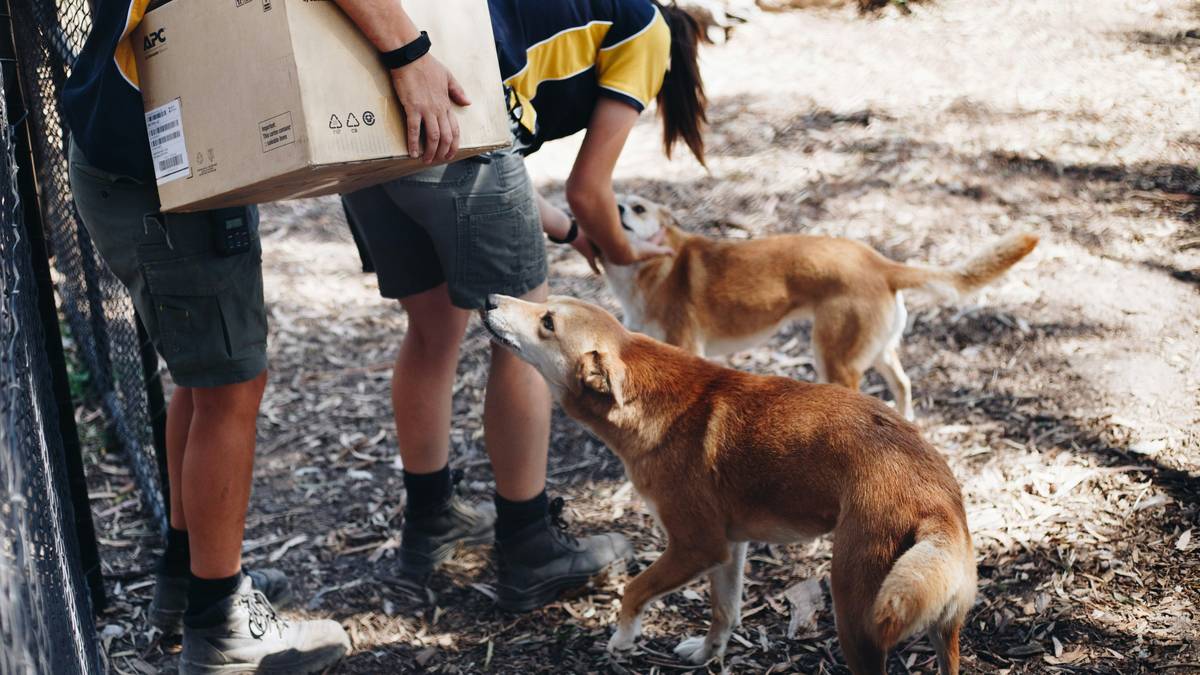
Picture this scene—the vibe is collaborative, focused, and totally pawsitive.
Real-Life Examples of Successful Rescue Dog Transformations
Take Maxine, a formerly anxious shelter dog who went from hiding under furniture to becoming a certified therapy pup thanks to well-executed team briefing protocols. Her humans scheduled daily updates via WhatsApp groups, ensuring consistent cues across caregivers.
Another example? Charlie, a stubborn bulldog mix whose biting habit vanished after his family adopted briefings. They identified triggers together and agreed on redirection techniques—all documented and shared weekly.
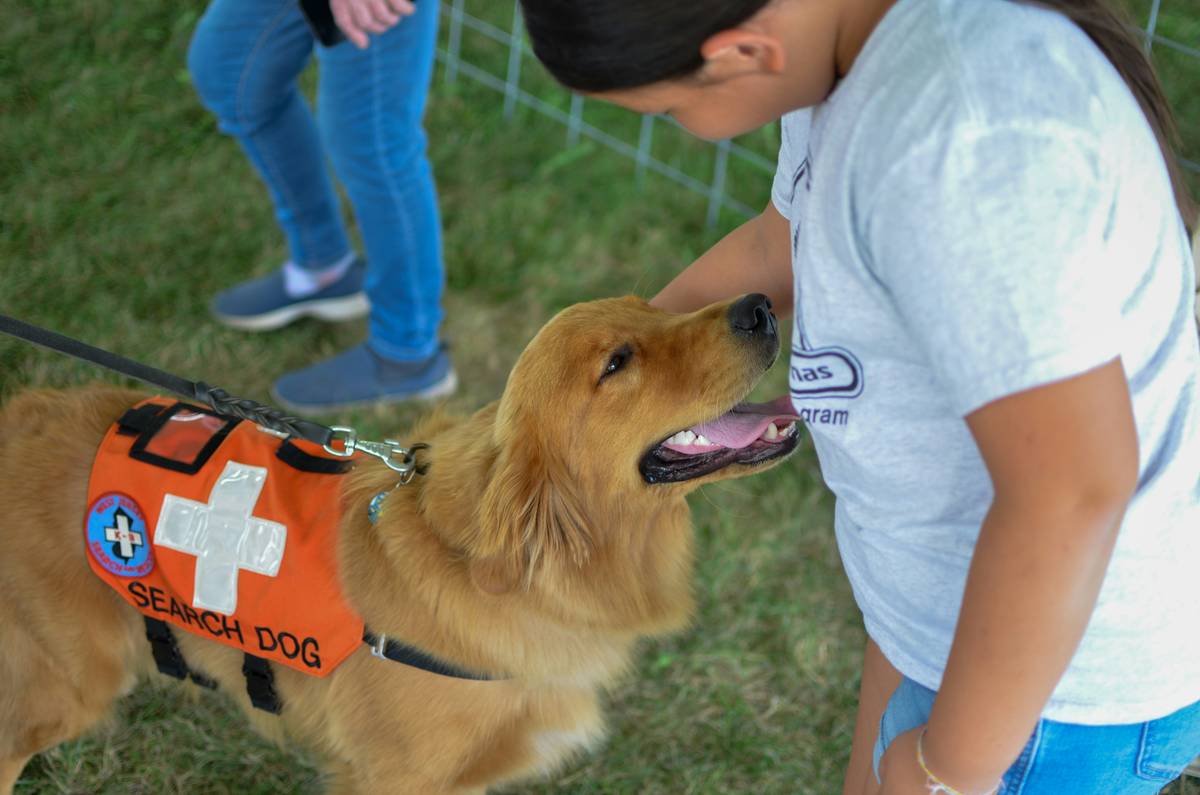
Behold Maxine, proof that good planning creates extraordinary outcomes.
Frequently Asked Questions About Rescue Dog Training & Team Briefing Protocols
What Are Team Briefing Protocols?
They involve regular meetings and documentation to align everyone involved in a rescue dog’s care and training process.
How Often Should We Hold Briefings?
Weekly check-ins are ideal, though more frequent touchpoints may be necessary initially.
Can One Person Handle Everything Without a Team?
Absolutely! Treat yourself as the “team”—document plans, review regularly, and stay consistent.
Conclusion
Training a rescue dog isn’t easy—but it’s incredibly rewarding when done right. By incorporating team briefing protocols, you create a foundation of clarity, consistency, and collaboration that sets both you and your furry friend up for success.
So grab your notebook, rally your crew, and start prepping those briefings. And remember:
Plans laid strong,
Rewards shine bright—
Trust blooms anew.
Like an old-school flip phone, some things need daily attention to truly thrive 😊.