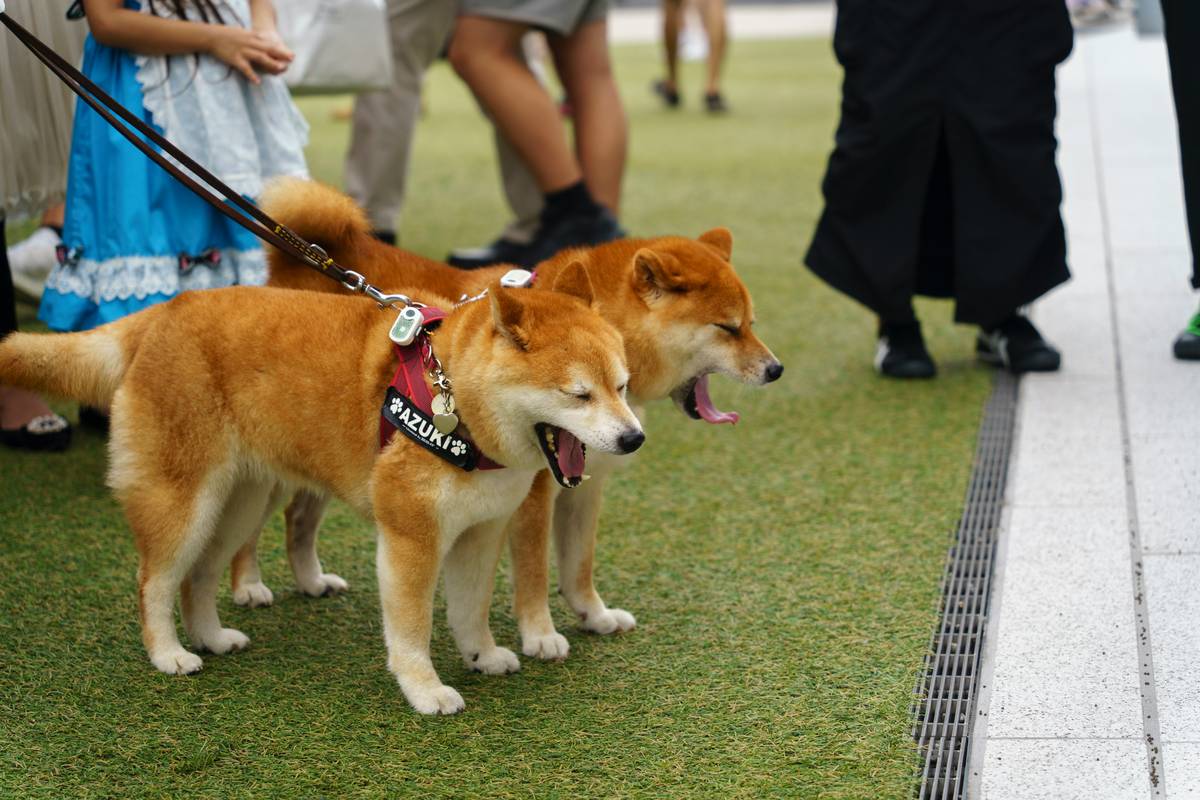
Ever felt like you’re failing at training your rescue dog despite hours of effort? You’re not alone. Here’s the hard truth: rescue dogs are often misunderstood because their traumas and past life experiences shape how they respond to training. But what if the secret weapon isn’t just about one-on-one sessions—it’s about team deployment strategies? Intrigued? Stick around. This post dives into why team-based approaches work wonders for rescue dogs, complete with step-by-step advice, must-know tips, and real-world examples.
Table of Contents
- The Unique Challenges of Rescue Dog Training
- Step-by-Step Guide to Implementing Team Deployment Strategies
- Best Practices for Effective Team-Based Training
- Real-World Success Stories in Rescue Dog Training
- FAQs About Rescue Dog Training
Key Takeaways
- Team deployment strategies create a support system that accelerates learning and bonding for rescue dogs.
- A structured approach ensures consistency while reducing stress for both trainers and pets.
- Using tools like positive reinforcement and scheduled role assignments can significantly improve outcomes.
Why Rescue Dog Training Is So Challenging
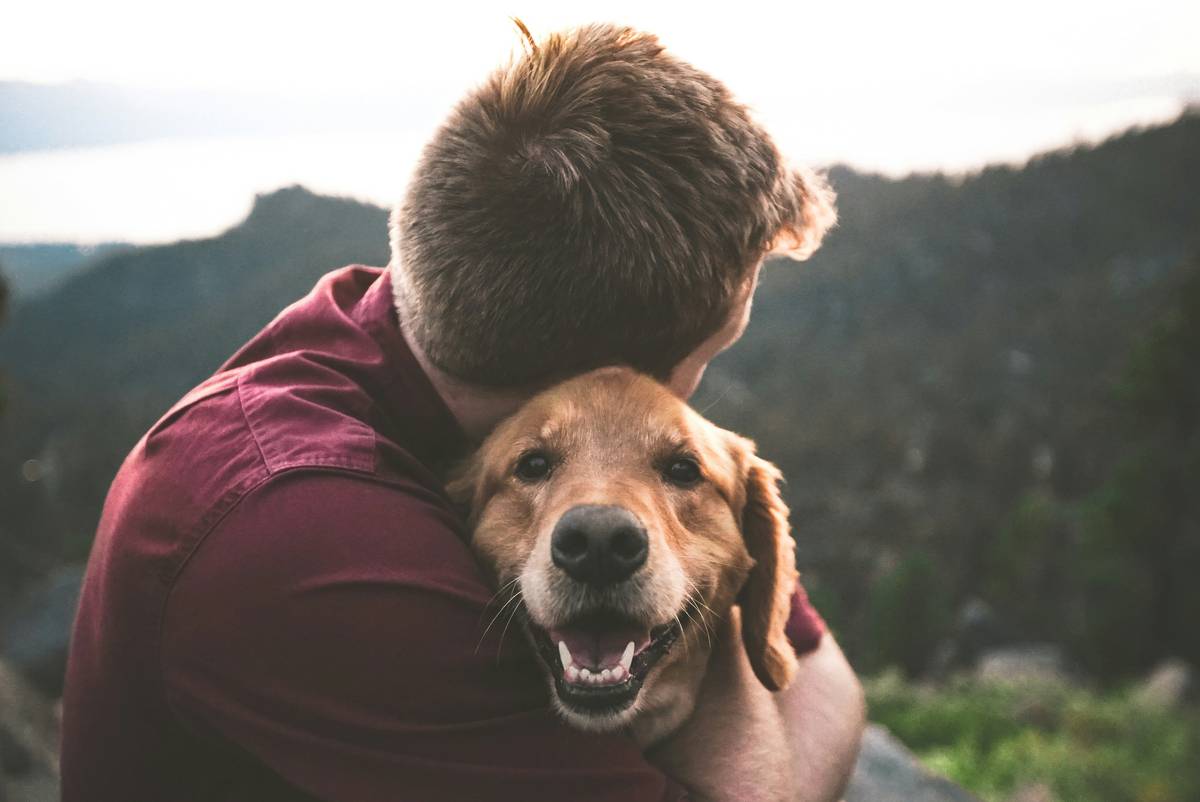
Let me confess something embarrassing—I once tried to solo-train my newly adopted rescue pup, Max. I thought, “Hey, this’ll be easy.” Spoiler alert: It wasn’t. Max cowered every time I raised my voice (even accidentally), and no amount of treats seemed to help him trust me. After weeks of frustration, I realized I was approaching it all wrong. Sound familiar?
Here’s the deal: Rescue dogs come with baggage—literal and metaphorical. Some have PTSD from abuse or neglect; others simply lack basic socialization skills. That means relying solely on traditional techniques fails more often than not. But here’s where team deployment strategies shine. By leveraging multiple people in coordinated roles, we create an environment built on trust, patience, and shared responsibility.
“Optimist You: ‘With teamwork, anything is possible!’ Grumpy You: ‘Yeah, yeah—but ONLY if everyone communicates properly.'”
Step-by-Step Guide to Implementing Team Deployment Strategies
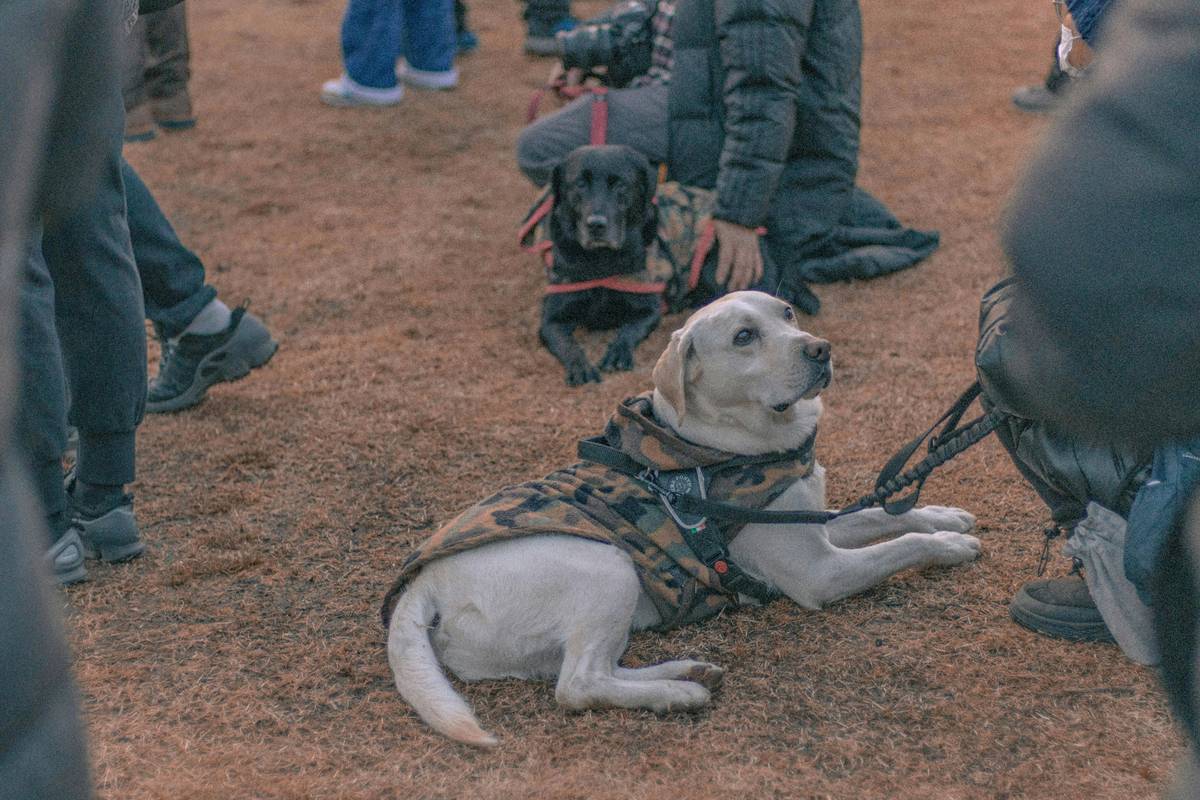
Ready to revolutionize your rescue dog’s progress? Follow these steps:
Step 1: Assemble Your Dream Team
You don’t need a dozen people—a small, dedicated group works best. Include:
- A primary handler who builds foundational bonds.
- An assistant trainer focusing on reinforcement drills.
- Someone handling logistics (e.g., scheduling, record-keeping).
Step 2: Define Clear Roles and Responsibilities
This part’s crucial. Without roles, chaos ensues. For instance:
- Primary Handler = Focuses on trust-building exercises.
- Assistant Trainer = Introduces new commands weekly.
- Logistics Guru = Tracks milestones and adjusts timelines as needed.
Step 3: Set Up Communication Channels
Slack threads, WhatsApp groups, or good ol’ sticky notes—whatever floats your boat. Consistent updates ensure alignment across the team.
Step 4: Train Together First
Before introducing the dog, practice scenarios without them. This eliminates awkward fumbling later. Chef’s kiss for smooth execution!
Best Practices for Effective Team-Based Training
Want pro-level results? Here are some golden nuggets:
- Use Positive Reinforcement Religiously: Always reward good behavior instantly. Treats, praise—it doesn’t matter WHAT, as long as it’s immediate.
- Keep Sessions Short but Frequent: Dogs get overwhelmed quickly. Aim for 5–10 minute chunks scattered throughout the day.
- Maintain Consistency Across All Members: Mixed signals confuse even the smartest pups. Standardize commands and rewards.
Rant Alert: Seriously, folks, STOP using punishment-based methods! They do more harm than good, especially for sensitive souls like rescue dogs. #PetPeevesOverload
Real-World Success Stories in Rescue Dog Training
Meet Bella, a once-shy lab mix terrified of strangers. Using team deployment strategies, her owner enlisted friends and family to rotate through gentle exposure sessions. Within six months, Bella transformed into a confident, playful girl ready for adoption events.
Bonus story: Another rescue center implemented a buddy system pairing volunteers with specific dogs based on personality matches. Result? Adoption rates skyrocketed by 40%. Talk about impressive stats!
FAQs About Rescue Dog Training
Q: Can any dog benefit from team deployment strategies?
Yes! While particularly helpful for rescues, these methods also work wonders for shy or anxious dogs of all backgrounds.
Q: How many people should be on my team?
Anywhere from two to five works well, depending on availability and resources.
Q: What if someone on the team makes a mistake?
No worries—it happens. Just regroup, clarify expectations, and move forward. Adaptability is key.
Conclusion
Rescue dog training can feel daunting, but armed with the right team deployment strategies, you’ll see breakthroughs faster than ever before. Remember: Building trust takes time, but when done collaboratively, magic happens. Whether you’re flying solo or assembling a squad, prioritize communication, consistency, and compassion above all else.
And hey, let’s end with a little haiku:
Trust grows paw by paw,
Teams unite, love blooms anew—
Home awaits its hero.