Ever felt like your rescue dog is part bloodhound and part tornado? You’re not alone. Many new adopters struggle to channel their dog’s natural instincts into constructive behaviors—especially when it comes to activities like scent trail following. But what if we told you this skill could transform chaos into calm?
In this guide, we’ll dive deep into how scent trail following works wonders for rescue dogs‘ mental health, obedience levels, and bonding with you. Plus, no fluff—only actionable steps, brutally honest advice, and even a dash of humor (and maybe some confessions about my own mistakes).
Table of Contents
- Key Takeaways
- Why Scent Matters in Rescue Dog Training
- Step-by-Step Guide to Scent Trail Following
- Tips & Best Practices for Success
- Real-Life Examples That’ll Inspire You
- Frequently Asked Questions About Scent Trail Following
- Conclusion
Key Takeaways
- Scent trail following helps build confidence in rescue dogs by engaging their natural instincts.
- Training can be broken down into simple steps tailored to beginners.
- Avoid overwhelming your pup; patience and consistency are key.
- This technique strengthens the human-dog bond while burning off excess energy.
Why Scent Matters in Rescue Dog Training
Rescue dogs often come from unpredictable backgrounds. They may have experienced trauma, neglect, or abandonment, leaving them anxious or insecure. Enter scent trail following—one of the most underrated yet powerful tools for rebuilding trust and boosting self-esteem.
I’ll admit something embarrassing: early on, I tried teaching my newly adopted lab mix commands without tapping into his strengths. Big mistake. He ignored me completely until I started using treats hidden under leaves—it was like a lightbulb went off! Suddenly, he wasn’t just “listening”; he was thriving.
“Optimist You: Let’s start training right now!”
Grumpy You: Okay, but grab coffee first because trust takes time.”
Step-by-Step Guide to Scent Trail Following
Step 1: Choose the Right Treats
Start with irresistible scents. Peanut butter cookies work magic—or smear a bit of cheese inside a Kong toy. Make sure these rewards aren’t easily accessible elsewhere so they feel special during training sessions.
Step 2: Create Simple Trails
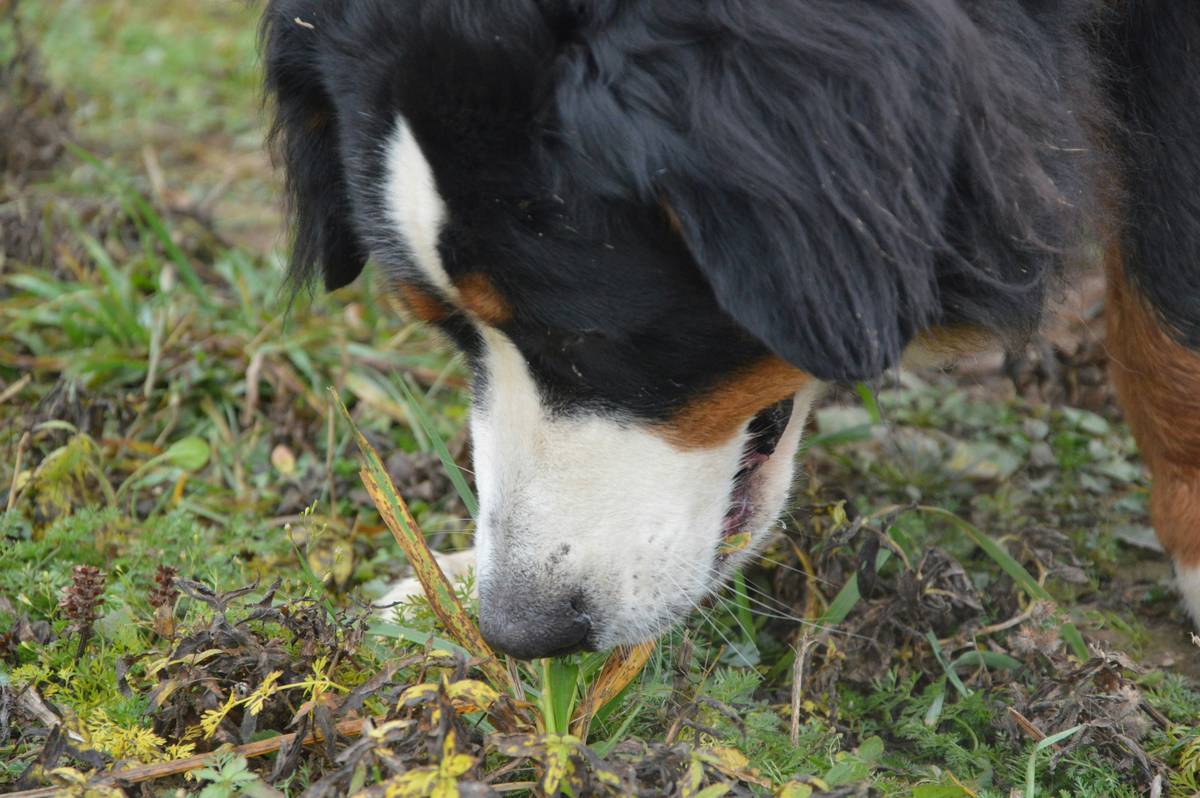
Lay out short trails indoors at first. Place treats every few feet along a path where your dog can follow the scent easily. Gradually increase distance and complexity as your furry friend gets more confident.
Step 3: Add Commands
Once your dog starts picking up on the pattern, introduce verbal cues like “find it!” or “search.” Pair words consistently with actions to reinforce understanding.
Step 4: Transition Outside
Move the game outside once indoor success becomes routine. Be prepared for distractions—nature has a buffet of smells competing for attention—but persistence pays off.
Tips & Best Practices for Success
- Keep Sessions Short: Aim for 5–10 minutes max per session to avoid overwhelming your dog.
- Use Positive Reinforcement: Reward enthusiastically after each discovery. Celebrate little victories!
- Prioritize Patience: If progress feels slow, remember Rome wasn’t built in a day (nor were obedient hounds).
- Tailor Techniques: Every dog learns differently. Adapt based on personality quirks.
Terrible Tip Alert: Whatever you do, don’t punish your dog for failing to find a treat. Punishment breaks trust faster than a squirrel rockets up a tree.
Real-Life Examples That’ll Inspire You
Meet Bella, a fearful border collie mix rescued from a hoarding situation. Her adopter used scent trail following as therapy through play. Not only did Bella overcome anxiety, but she also began excelling in agility competitions within months!
Sure, there were days when Bella refused to budge past certain obstacles—but perseverance turned setbacks into stepping stones toward success.
Frequently Asked Questions About Scent Trail Following
Is This Suitable for All Breeds?
Absolutely! While breeds like Bloodhounds excel naturally, any curious canine can enjoy scent trail following with proper guidance.
How Long Does It Take to See Results?
Most dogs pick up basics within weeks. Advanced techniques might require months of practice, depending on individual temperament and prior experience.
Can Puppies Participate Too?
Yes—if done carefully around sensitive growth plates. Focus less on endurance and more on fun exploration for younger pups.
Conclusion
Teaching your rescue dog scent trail following isn’t just another trick—it’s a journey that heals both hearts and minds. By respecting their unique needs and celebrating small wins along the way, you’re building a partnership rooted in love and mutual respect.
Now go ahead, sprinkle those treats, and watch your four-legged companion thrive. Oh, and one last thing—like an old flip phone, consistency stays relevant forever.
Haiku Time:
Sniffs lead to treasure,
Dogs wag, humans smile wide—
Life’s better together.