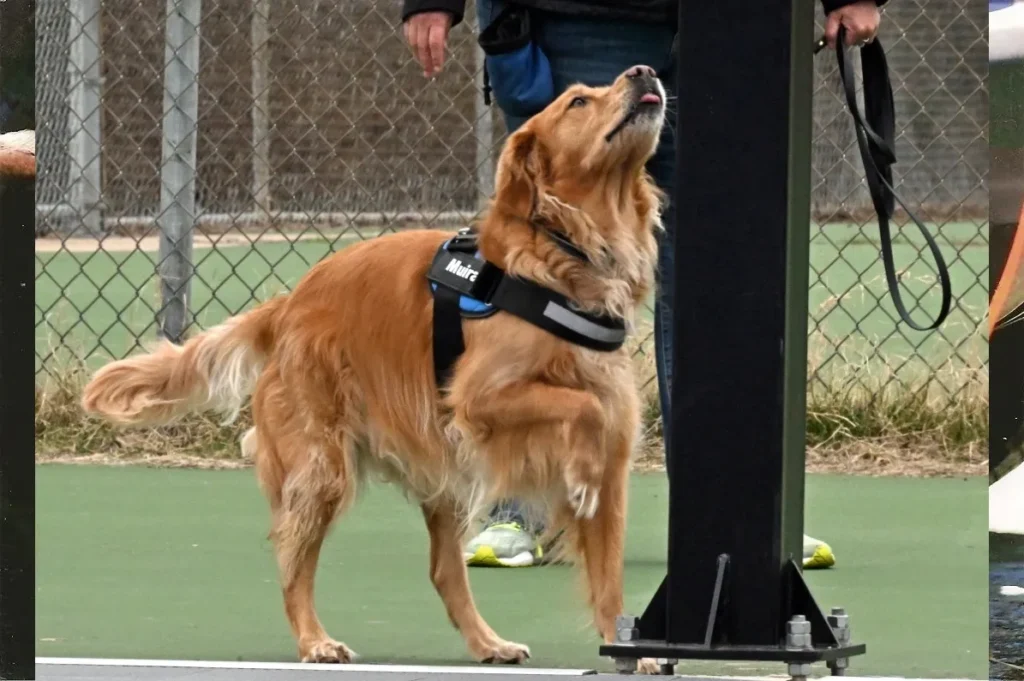
Ever tried teaching your rescue dog to find their toys, only to end up with a pile of chewed-up shoes instead? Yeah, us too. Training a rescue dog can feel like decoding ancient hieroglyphs—except the hieroglyphs are wagging tails and sniffing everything in sight. If you’re ready to turn chaos into calm, search pattern drills are here to save the day.
In this guide, we’ll break down why search pattern drills are perfect for rescue dog training and how to implement them step by step without losing your sanity (or your slippers). We’ll also share some hard truths about what NOT to do and sprinkle in a few laughs along the way. Ready to transform your pup into a pro at finding things? Let’s dive in!
Table of Contents
- Why Search Pattern Drills Are Game-Changers for Rescue Dogs
- Step-by-Step Guide to Teach Search Pattern Drills
- Tips & Best Practices for Success
- Real-Life Examples: Rescue Dog Rockstars
- Frequently Asked Questions About Search Pattern Drills
Key Takeaways
- Search pattern drills build confidence and focus in rescue dogs.
- These drills tap into your dog’s natural instincts, making learning fun and rewarding.
- Avoid overcomplicating instructions; simplicity is key.
- Consistency trumps perfection when it comes to rescue dog training.
Why Search Pattern Drills Are Game-Changers for Rescue Dogs
Rescue dogs come from all walks of life—sometimes literally dragged through mud puddles and abandoned parking lots. This means they often face challenges settling into a new home, including anxiety, fear, and behavioral quirks. But here’s the secret sauce: search pattern drills.
What exactly are search pattern drills? Imagine sending your dog on an Easter egg hunt but replacing eggs with treats or toys. It’s mental exercise wrapped in playtime goodness. These drills engage their incredible sense of smell while helping them channel energy constructively.
Here’s why this method works wonders:
- Boosts Confidence: A timid rescue pup learns to trust themselves as they succeed in each search task.
- Burns Energy: One hour of sniffing equals roughly five hours of running around. #Math.
- Mental Stimulation: Dogs crave puzzles just as much as physical activity.
Optimist You: “These drills will totally fix my dog!”
Grumpy You: “Sure thing, but if my Labrador eats another sock, I’m blaming you.”
Step-by-Step Guide to Teach Search Pattern Drills
Don’t worry; we won’t leave you hanging mid-doggy disaster zone. Here’s how to get started:
1. Gather Supplies
Before diving in, grab high-value treats (like freeze-dried chicken) or your dog’s favorite toy. Bonus points if you have a clicker for positive reinforcement. Oh, and maybe hide those socks first… just saying.
2. Start Simple
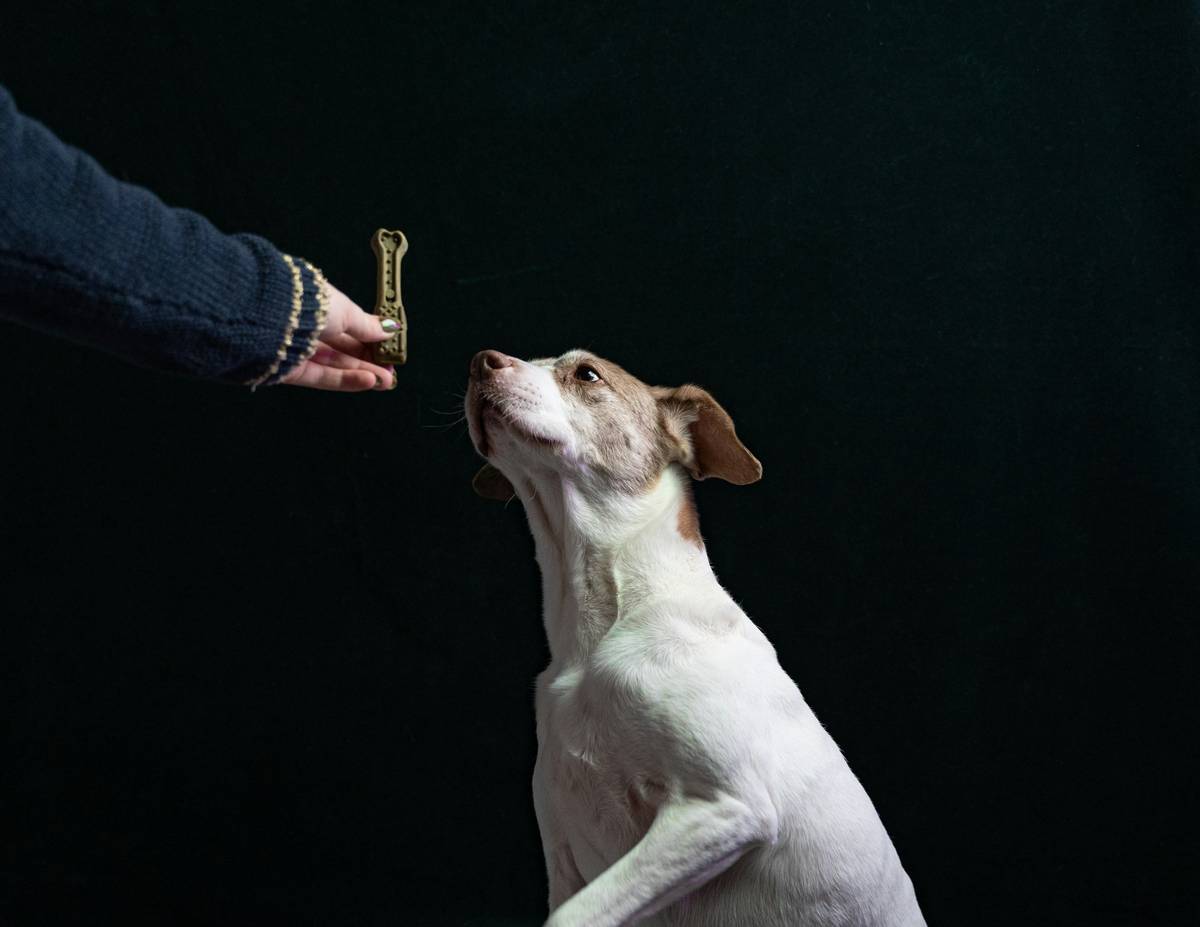
Begin indoors where there are fewer distractions. Hide one treat under a bowl and let your dog sniff it out. Once they “win,” reward them lavishly. Repeat until they understand the game.
3. Level Up
Gradually increase difficulty by placing items behind furniture, inside boxes, or even outdoors. The goal is to create complex search patterns that mimic real-life scenarios.
4. Name the Game
Add verbal cues like “find it” or “search.” Over time, your dog will associate these commands with hunting behavior.
5. Practice Consistently
Like brushing your teeth or binge-watching Netflix, consistency matters. Aim for short sessions daily rather than marathon training once a week.
Terrible Tip Alert: Never punish your dog for failing to find something. Instead, go back to basics. Remember, no one became Albert Einstein overnight (especially not dogs).
Tips & Best Practices for Success
Want your rescue dog to ace search pattern drills faster? Follow these expert-approved tips:
- Keep Sessions Short and Sweet: Ten minutes max. Your dog’s attention span isn’t infinite.
- Reward Generously: Treats + Praise = Happy Pup Equation.
- Use Varied Locations: Mix up environments so your pup doesn’t get bored.
- Watch for Signs of Stress: If your dog seems anxious, take a break.
- Be Patient: Some dogs pick up tricks instantly; others need more practice. Both are fine.
Real-Life Examples: Rescue Dog Rockstars
We’re big fans of rooting for the underdogs (literally). Meet Max, a scrappy terrier mix adopted after years in shelters. His owner introduced him to search pattern drills—and within weeks, he went from scaredy-cat to confident treasure hunter. Now he’s obsessed with fetching hidden sneakers. Who knew?
Another success story: Luna, a deaf Australian Shepherd who struggled with traditional training methods. By using visual signals alongside scent-based searches, her owner unlocked her potential. She now competes in agility trials and wins medals like she’s collecting stamps.
Sound impossible? Trust us—it’s not. With patience and persistence, any rescue dog can shine.
Frequently Asked Questions About Search Pattern Drills
Q: Can I use search pattern drills for puppies?
A: Yes! They love exploring and benefit greatly from early mental stimulation.
Q: My dog gets distracted easily. What should I do?
A: Eliminate distractions gradually. Start in quiet spaces and work your way up.
Q: How long does it take to see results?
A: Every dog is different. Some improve in days; others require weeks. Stay consistent!
Conclusion
Training a rescue dog might seem daunting at first glance, but incorporating search pattern drills makes the process less intimidating—and far more enjoyable—for both of you. From boosting your dog’s confidence to burning off excess energy, this technique checks every box.
So grab those treats, set up a challenge, and watch your furry friend blossom into a skilled search artist. Because at the end of the day, your bond with your rescue dog is the ultimate prize.
Chef’s kiss,
Your Pet Care Guru
Haiku Bonus:
Nose leads the way home,
Paws dig deep for buried gold;
Treats make dreams come true.