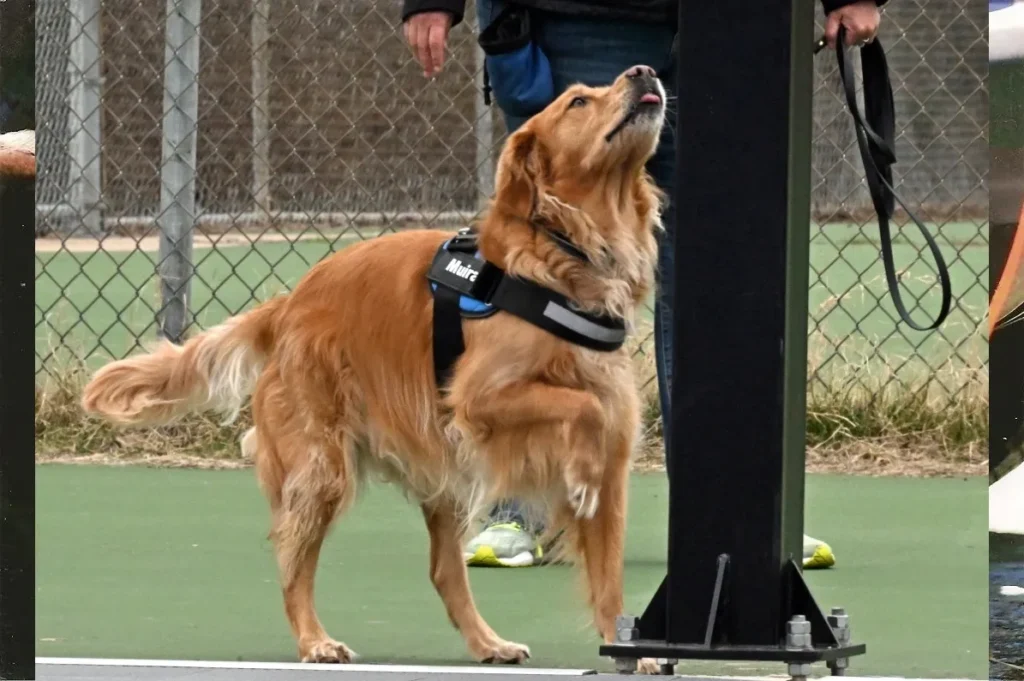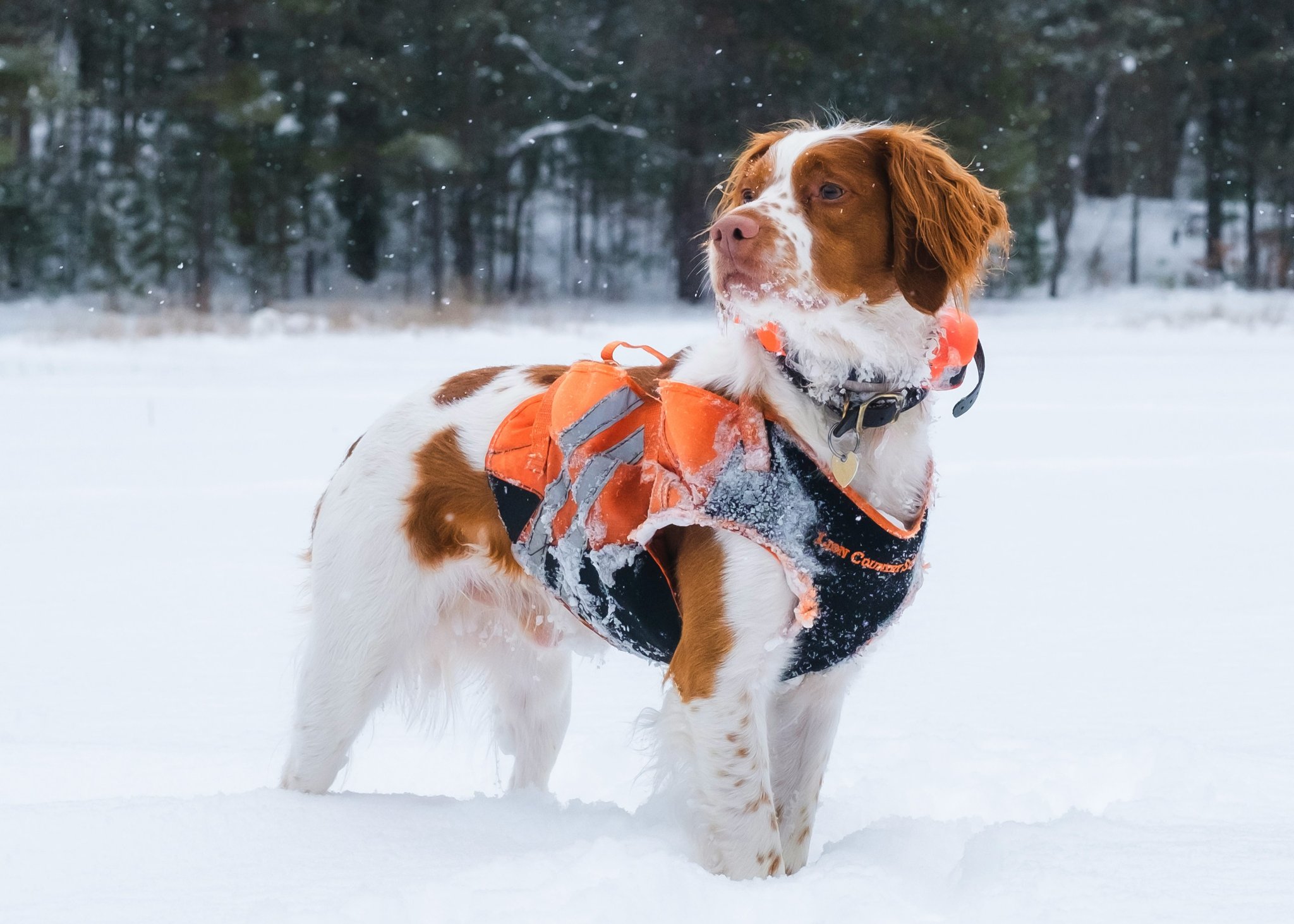
Ever tried teaching your rescue dog a new trick, only to be met with that soulful “I have no idea what you’re saying” look? Yeah, us too. And if you’ve ever wondered how to turn those confused glances into focused action, scent tracking drills might just be the answer. Not only do they sharpen your dog’s natural instincts, but these drills also build trust and confidence—essential ingredients for successful rescue dog training.
In this post, we’ll break down why scent tracking drills are so effective, guide you step-by-step on implementing them, share pro tips, and sprinkle in some brutally honest truths about common mistakes (spoiler alert: one involves over-snacking). Plus, there’s a hidden haiku waiting at the end. Ready? Let’s dive in!
Table of Contents
- Why Scent Tracking Drills Are Game-Changers
- How to Start Scent Tracking Drills with Your Rescue Dog
- Top Tips for Success
- Real-Life Examples of Transformation Through Scent Work
- FAQs About Scent Tracking Drills
Key Takeaways
- Scent tracking taps into dogs’ natural abilities, making it engaging and therapeutic for rescue pups.
- A structured approach is key—start simple, then progress gradually to more complex challenges.
- Patience, consistency, and rewards are essential; avoid rushing or overcomplicating the process.
- One terrible tip to dodge: Don’t overload your pup with treats during training—it can backfire!
Why Scent Tracking Drills Are Game-Changers
Rescue dogs often come from chaotic backgrounds where survival was their top priority—not obedience. But guess what? Their noses were likely their best friends through all that chaos. Scent tracking drills tap directly into this inherent ability, giving your dog an outlet that feels both natural and fulfilling.
“Optimist You:” ‘This will totally strengthen our bond!’
Grumpy You: ‘Ugh, fine—but only if coffee’s involved.'”

The Science Behind It
Dogs possess up to 300 million olfactory receptors compared to our measly 6 million. That means their sense of smell is anywhere from 10,000 to 100,000 times stronger than ours. Scent work satisfies their need for mental stimulation while providing emotional grounding—a win-win for any rescue dog struggling with anxiety or adjustment issues.
How to Start Scent Tracking Drills with Your Rescue Dog
Step 1: Pick the Right Environment
Start in a quiet, familiar space like your backyard. Distractions = bad news when first starting out. Think of it as “training wheels” for their sniffer skills.
Step 2: Choose a Reward System
Select a high-value treat or toy that gets your dog excited. For example, my German Shepherd mix once turned his nose up at plain kibble until I introduced peanut butter treats. #GameChanger
Step 3: Teach the Basics
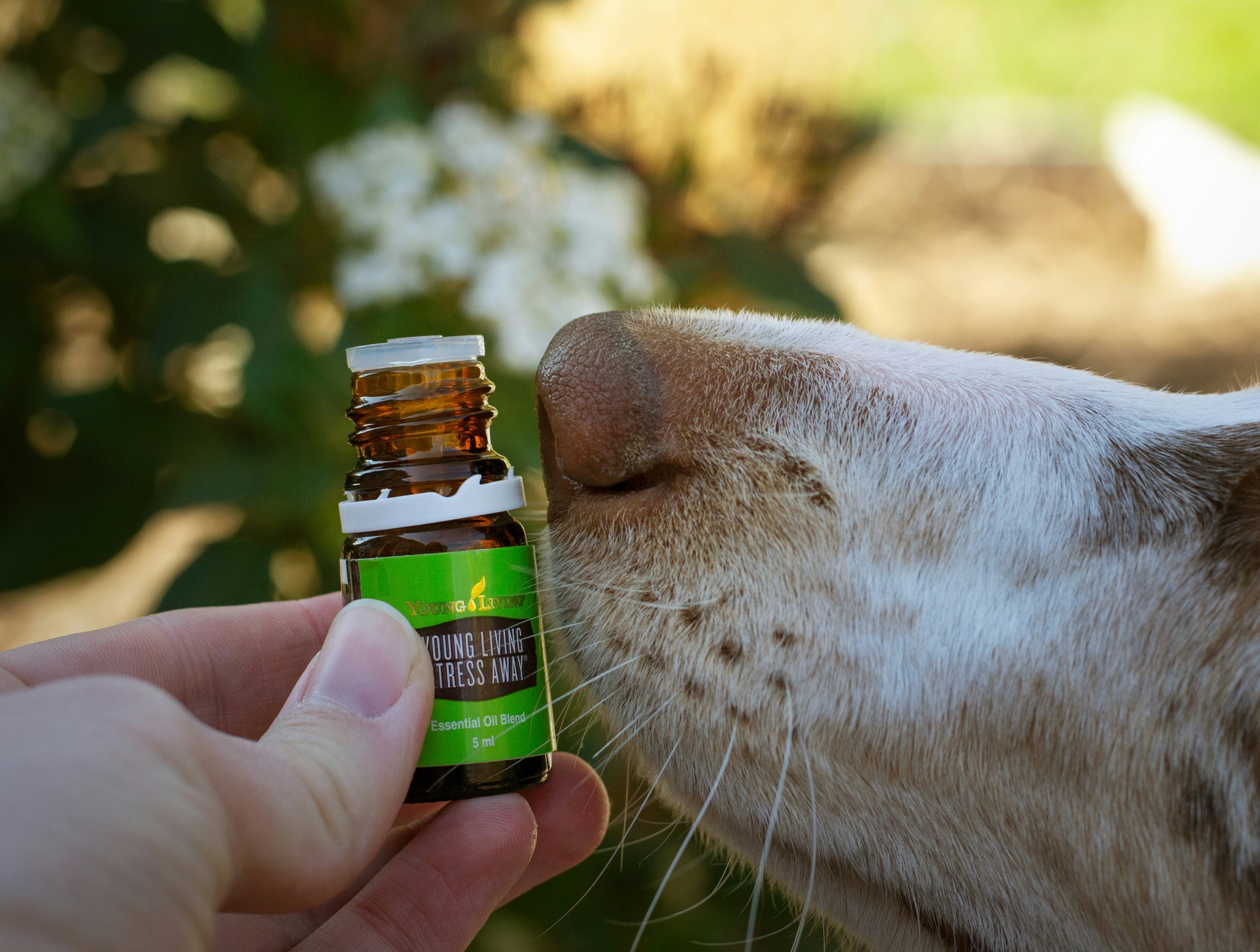
Show your dog the reward, let them sniff it, then hide it nearby while they watch. Once hidden, say “Find it!” and praise them wildly when they succeed.
Step 4: Gradually Increase Difficulty
Move from easy hides to more challenging ones: behind furniture, inside boxes, or even outdoors. The goal is to keep building their confidence without overwhelming them.
Top Tips for Success
- Short Sessions: Keep sessions under 10 minutes to prevent burnout.
- Consistent Phrases: Use the same commands every time, like “Find it” or “Search.”
- Reward Immediately: Timing matters! Reward right after they find the item to reinforce the behavior.
- Terrain Variety: Mix up surfaces (grass, carpet, tile) to challenge their senses further.
- One Bad Tip: Avoid using tons of treats per session—it can lead to overfeeding and diminish motivation.
Real-Life Examples of Transformation Through Scent Work
Take Max, a former stray who spent two years bouncing between shelters before landing with Sarah. Max had severe separation anxiety and would bark incessantly whenever left alone. Enter scent tracking drills. Within weeks, Sarah noticed Max’s focus shifting—he became calmer and less reactive. Today, he competes in local nosework trials and loves showing off his skills.
FAQs About Scent Tracking Drills
Q: Can any breed benefit from scent tracking drills?
Absolutely! While hounds excel due to their strong noses, all breeds can enjoy and improve with scent work.
Q: What if my dog isn’t interested?
Try different types of rewards (toys vs. treats). Some dogs are motivated by food, others by play.
Q: How long does it take to see results?
This depends on the individual dog. Some show improvement within days; others may take weeks or months.
Conclusion
Scent tracking drills aren’t just another pet training fad—they’re a lifeline for many rescue dogs trying to find their footing in a new world. By tapping into their innate talents, you’re not only strengthening your bond but also helping them heal. So grab some treats, pick a spot, and get sniffing! Oh, and don’t forget that coffee we promised earlier. 😉
Here’s your little bonus haiku:
Sniffing earth and air,
Paws tread paths unseen by eyes—
Freedom found in scents.