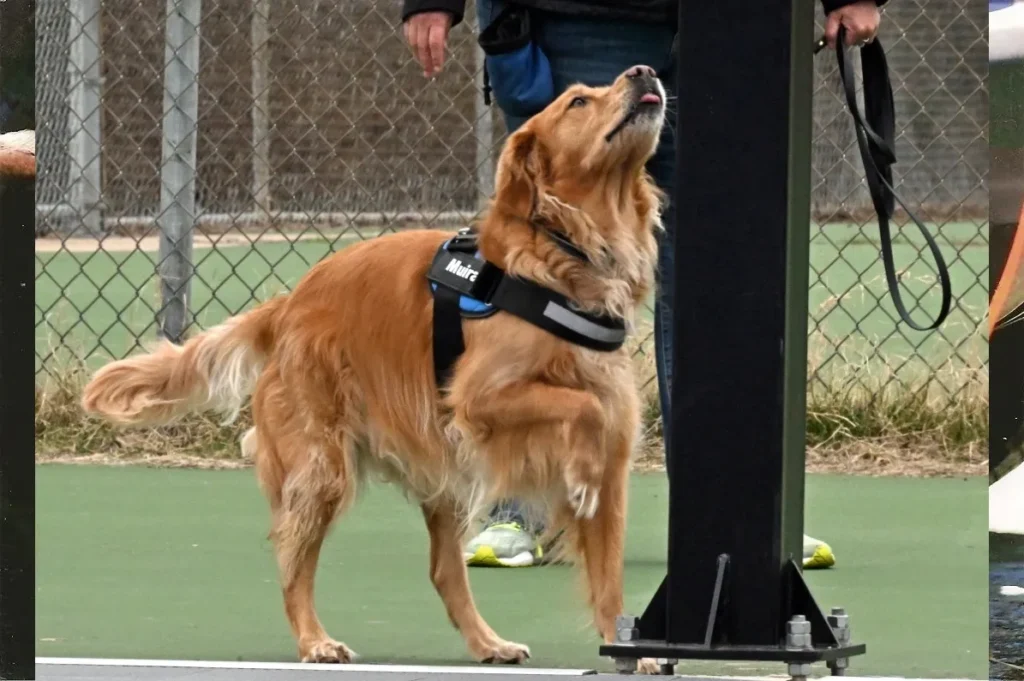
Ever felt the panic of losing someone you love? Now imagine harnessing the power of a rescue dog to bring them back safely. Discover how training your rescue dog in tracking missing persons can turn tragedy into triumph.
In this post, we’ll dive deep into the world of rescue dog training, exploring why it’s vital, step-by-step methods for teaching these skills, insider tips, real-life success stories, and answers to common questions—all while keeping our focus on tracking missing persons.
Table of Contents
- Why Rescue Dog Training Matters
- Step-by-Step Guide to Teaching Tracking Skills
- Tips for Successful Training
- Real-Life Stories of Triumph
- FAQs About Rescue Dogs and Tracking
Key Takeaways
- Rescue dogs possess natural instincts that make them ideal candidates for tracking missing persons.
- A structured, patient approach is key to successfully teaching tracking skills.
- Consistency, positive reinforcement, and patience are non-negotiable during training.
- Success stories prove that even troubled rescue dogs can become heroes.
Why Rescue Dog Training Matters
Pets often come into our lives as companions, but they have so much more potential—especially rescue dogs. These pups may carry baggage from their past, but with proper guidance, they can be transformed into highly skilled trackers capable of saving lives.
Here’s the harsh truth: thousands of people go missing every year. According to the National Missing and Unidentified Persons System (NamUs), over 600,000 individuals go missing annually in the U.S. While technology plays a role in search efforts, there’s no substitute for a well-trained canine nose. The olfactory ability of dogs is 10,000 to 100,000 times stronger than humans’. That means a trained dog can literally sniff out hope where others see only despair.

Rant Time: It drives me nuts when people underestimate rescue dogs because of stereotypes or bad behavior caused by trauma. They say things like, “Oh, he’s too old,” or “She has issues—I won’t bother.” Newsflash: Every dog deserves a chance to shine, including those labeled “problematic.” Just look at K9 units worldwide—they’re filled with former strays turned superheroes.
Step-by-Step Guide to Teaching Tracking Skills
If you’ve ever wondered how to train a rescue dog to track missing persons, it starts with breaking down the process into manageable steps:
Step 1: Build Trust Through Bonding
Optimist You: “Dogs naturally want to please!”
Grumpy You: “Yeah, if they trust you first…”
Before diving into advanced techniques, establish a strong bond with your rescue dog. Spend quality time together through play, walks, feeding routines, and gentle affection. This foundational connection will encourage cooperation later.
Step 2: Introduce Scent Recognition
Start simple by introducing scents associated with humans, such as clothing items or personal belongings. Use rewards like treats or toys whenever the dog shows interest in the scent.
Step 3: Practice Short Distances
Create short trails using the target scent. Encourage your dog to follow the trail and reward heavily upon completion. Gradually increase distance and complexity over weeks.
Step 4: Simulate Real Scenarios
Once comfortable with basic tracking, simulate scenarios resembling actual searches—for example, hiding a volunteer in an outdoor area and letting the dog find them. This prepares both handler and dog for high-pressure situations.
Tips for Successful Training
To ensure smooth progress, keep these pro tips in mind:
- Prioritize Positive Reinforcement: Treats, toys, praise—it all works wonders.
- Keep Sessions Short and Fun: Aim for 10–15 minutes max per session to avoid burnout.
- Vary Environments: Train indoors, outdoors, in urban settings, and rural areas to prepare for any condition.
- Don’t Rush: Progress takes time; rushing leads to frustration.
And here’s one terrible tip (seriously, never do this):
❌ Punishing mistakes: Yelling at or punishing a dog for errors destroys confidence. Always use encouragement instead.
Real-Life Stories of Triumph
In 2018, a rescue dog named Luna located a lost hiker who’d been missing for three days in dense Washington wilderness. Her handler noted that despite initial challenges due to Luna’s fearfulness—a product of neglect—she flourished under consistent, loving training.
Another heartwarming tale features Max, a Pit Bull mix adopted from a shelter. Despite skepticism about his breed, Max excelled in scent work, helping locate a child trapped in storm debris after a tornado hit Texas.
FAQs About Rescue Dogs and Tracking
Q: Are certain breeds better suited for tracking missing persons?
Absolutely not! While some breeds excel due to genetics (like Bloodhounds or German Shepherds), any healthy dog with a good nose can learn tracking skills.
Q: How long does it take to train a rescue dog for tracking?
Typically, foundational skills develop within a few months. Mastery requires ongoing practice and real-world application, which could span up to a year.
Q: What if my rescue dog seems disinterested at first?
Patience is key. Try different methods to spark curiosity, such as using varied scents or interactive games. Most importantly, let the dog set the pace.
Conclusion
Training a rescue dog to assist in tracking missing persons isn’t just about skill development—it’s about creating a partnership rooted in trust and purpose. By investing time and effort, you can transform a once-abandoned pup into a life-saving hero.
Remember, consistency plus compassion equals success. Ready to start? Your future four-legged partner awaits!
Like Frodo carrying the ring,
A hero lies beneath the skin.
Train with love—your pup shall sing,
Saving souls in springtime’s fling.