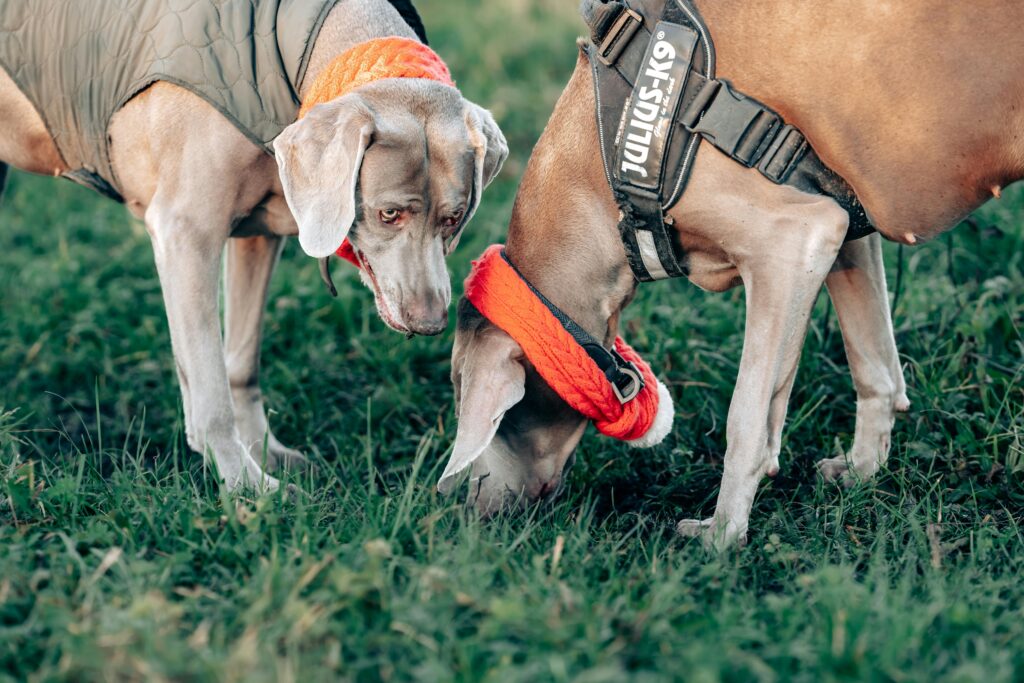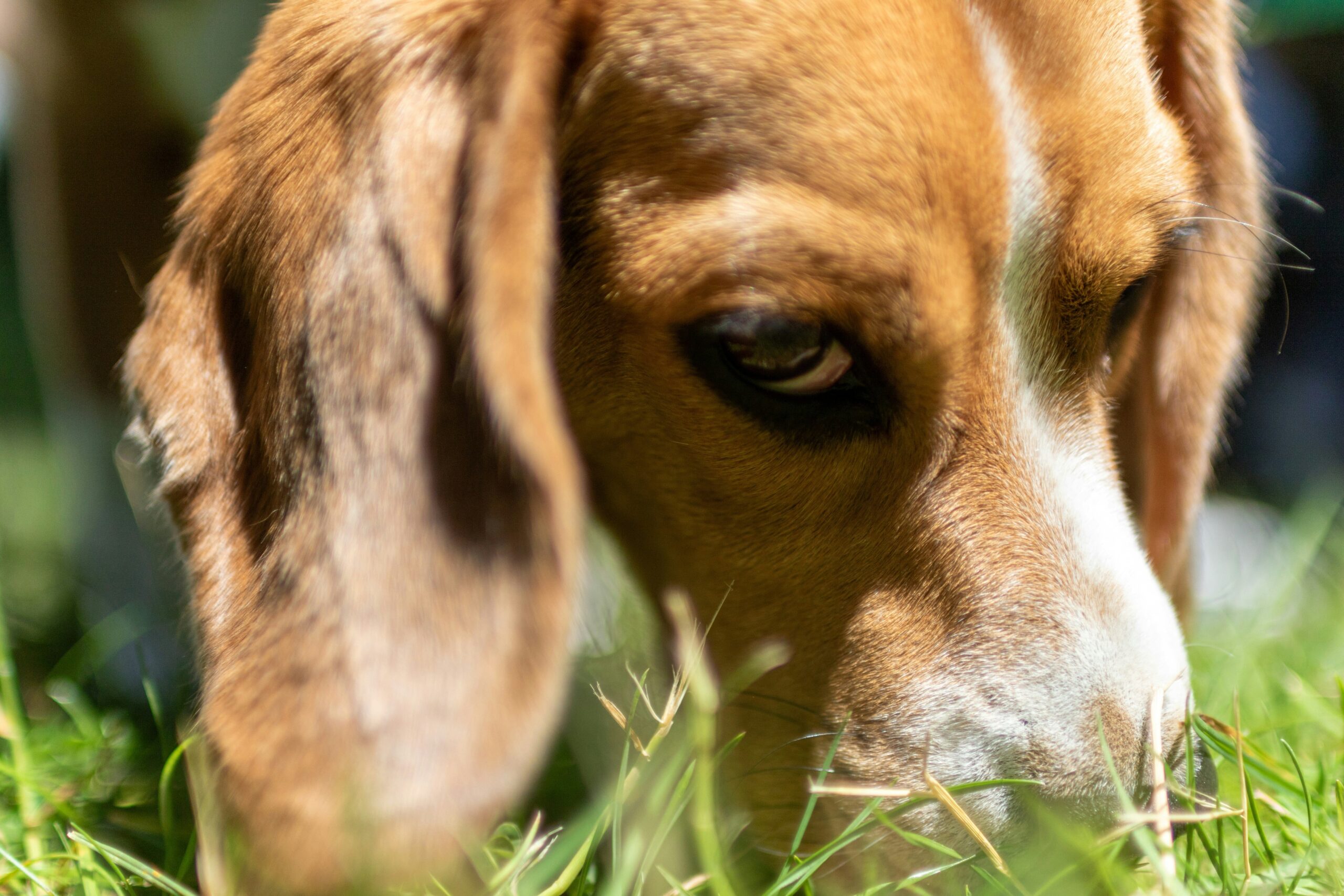
Ever tried training your rescue dog and ended up more confused than when you started? Yeah, us too. Training a rescue dog can feel like trying to teach algebra to a goldfish—until you discover the magic of scent identification. Not only is it one of the most rewarding things you can do with your furry companion, but it also taps into their natural instincts in amazing ways.
In this post, we’ll guide you through everything you need to know about turning your rescue dog into a scent identification dog. You’ll learn why scent training matters, how to start, expert tips, and mistakes to avoid (yes, there *is* such a thing as overdoing it). Plus, there’s a sprinkle of storytelling and nerd-level honesty because hey—no fluff here.
Table of Contents:
Why Scent Training Matters for Rescue Dogs
Step-by-Step Guide to Scent Identification Training
Pro Tips for Successful Scent Training
Real-Life Success Stories
FAQs About Scent Identification Dog Training
Key Takeaways
- Scent training strengthens the bond between you and your rescue dog while tapping into their natural instincts.
- A structured step-by-step plan makes scent training manageable even for beginners.
- Avoid common pitfalls by keeping sessions short, fun, and reward-based.
- Patience and consistency are key; progress won’t happen overnight.
Why Scent Training Matters for Rescue Dogs
“Optimist You:” “This could be life-changing for my rescue pup!”
“Grumpy You:” “Ugh, but what if they fail?”
Let’s level set here. Many rescue dogs arrive with baggage—whether from neglect, abuse, or abandonment. The beauty of scent work lies in its ability to channel their focus on something positive. A study found that scent games reduce anxiety levels in shelter dogs significantly because it gives them purpose.
Think of it this way: Imagine being stuck inside all day with nothing to do except stare at walls. Sounds boring, right? Now imagine having a job where you get praised every time you succeed. Same goes for your doggo!
Step-by-Step Guide to Scent Identification Training
Step 1: Start Simple – Introduce the Target Scent
Before diving headfirst into complex tasks, begin by introducing one specific scent. This could be an essential oil (like lavender) soaked onto a cotton ball or a piece of fabric you’ve handled often.
Confessional Fail Alert: I once started with too many scents at once. Spoiler alert—it didn’t go well! Stick to ONE target scent initially so your dog doesn’t feel overwhelmed.
Step 2: Associate the Scent with Rewards
Use treats, praise, or toys as rewards whenever your dog interacts correctly with the scent. For example, if they sniff the scent source, immediately give them a treat.
Step 3: Gradually Increase Complexity
Once your dog consistently identifies the target scent, make things harder. Hide it under cups or behind furniture. Keep increasing difficulty until your pooch becomes a sniffing genius.
Step 4: Practice in Different Environments
Transition from home to outdoor spaces. This teaches your dog to ignore distractions—a crucial skill for any successful scent identification dog.
Pro Tips for Successful Scent Training
- Keep Sessions Short: Aim for 5–10 minutes per session to prevent burnout.
- Vary Rewards: Rotate between treats, toys, and verbal praise to keep motivation high.
- Be Patient: Some dogs pick up new skills faster than others. Celebrate small wins!
- Forbidden Tip (Don’t Do This): Never punish your dog for failing. Mistakes are part of learning.
Rant Section: Can we talk about people who think punishment equals progress? It doesn’t. End of discussion.

Real-Life Success Stories
Meet Luna, a former stray turned certified therapy dog thanks to scent identification training. Her handler recalls, “She was terrified of everything when we adopted her. But after six months of scent work, she transformed into a confident girl who loves helping others.”
Data Point: Studies show dogs trained in scent detection have up to a 70% reduction in anxiety-related behaviors compared to untrained counterparts.
FAQs About Scent Identification Dog Training
Q: What breeds are best suited for scent identification?
A: While some breeds like Bloodhounds excel naturally, any breed—including mixed rescues—can master scent work with patience and encouragement.
Q: How long does training take?
A: Expect several months to a year depending on complexity and frequency of practice.
Q: Are there certifications available?
A: Yes! Organizations like NASDN offer credentials for scent-trained dogs.
Conclusion
Training a rescue dog as a scent identification dog isn’t just about teaching commands—it’s about building trust, boosting confidence, and creating unforgettable moments together. Remember: Progress may be slow, but don’t sweat it. Slow gains beat no gains any day.
So grab those treats, fire up your coffee machine (because apparently optimism requires caffeine now), and dive into this paw-some journey with your four-legged buddy.
“Like fetching frisbees,
But with noses in charge,
Rescue pups rule.”