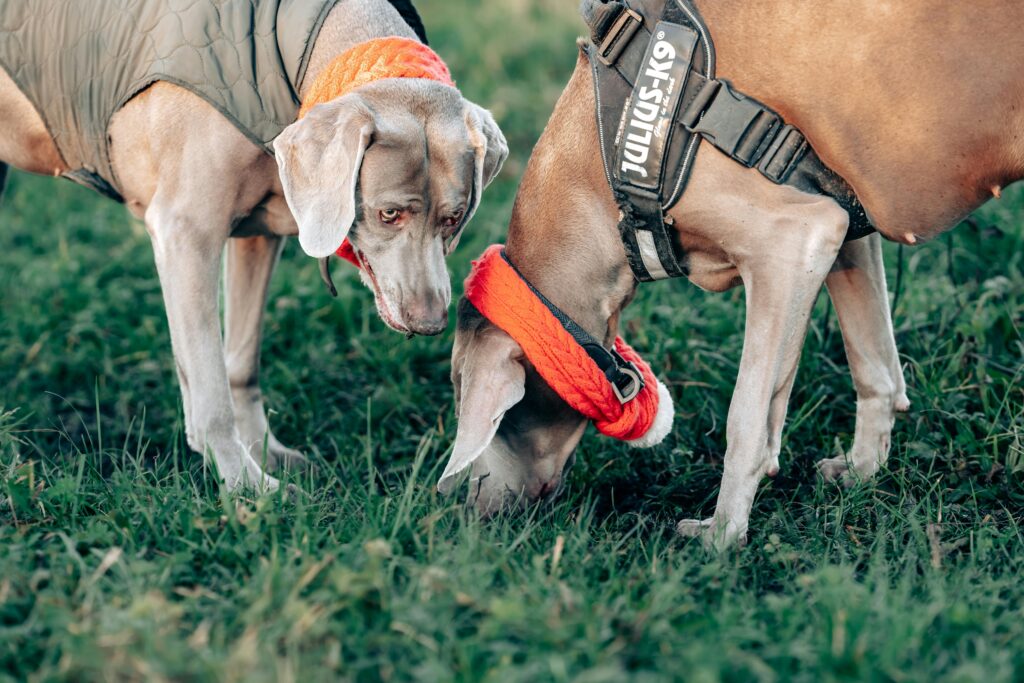
Ever adopted a rescue dog only to find they’re sniffing *everything* like it’s their full-time job? Yeah, us too. Turns out, that nose of theirs isn’t just there for cuteness—it’s a superpower waiting to be harnessed. Enter: nosework training, the ultimate way to channel your rescue dog’s obsession with smells into something productive (and fun). In this guide, we’ll explore why nosework is perfect for rescue dogs, how to get started, tips to master it, and even some “oops-worthy” fails from my own journey. You’ll walk away with actionable steps, real-life examples, and a healthy dose of optimism. Buckle up!
Table of Contents
- Key Takeaways
- Why Rescue Dogs Love Nosework Training
- How to Start Nosework Training
- Top Tips for Success
- Real Stories from Real Humans
- FAQs About Nosework Training
Key Takeaways
- Nosework training builds confidence in shy or anxious rescue dogs.
- It taps into your dog’s natural instincts, making learning stress-free.
- A little creativity goes a long way—hide treats anywhere safe and accessible.
- This method doubles as mental stimulation and bonding time.
Why Rescue Dogs Love Nosework Training

When you adopt a rescue dog, they often come with baggage—or at least quirks. Some might cower during thunderstorms, others might bark endlessly, and many seem glued to your side. But one thing most rescue dogs share? A nose that works overtime.
I once brought home Bella, a scrappy terrier mix who wouldn’t stop digging through my laundry basket. Turns comes she wasn’t being naughty; she was using her sniffer to figure out where I’d been all day. Lesson learned: Don’t fight nature—embrace it.
“Optimist Me:* ‘What if we turn that nose obsession into a game?’
Grumpy Me: ‘Ugh, fine—but only if snacks are involved.'”
The truth is, nosework mimics what dogs naturally do in the wild: hunt for food. For rescue pups dealing with trauma or uncertainty, this kind of training offers structure without pressure. Plus, it’s so damn rewarding—for them and for you.
How to Start Nosework Training
Step 1: Introduce Them to Scent Work
Start by hiding a treat under a cup on the floor. Let Fido see you place it, then encourage him to “find it.” Gradually make it harder by adding distractions.
Step 2: Level Up Your Hides
Once they’ve got the hang of basic searches, move hides around the house. Try placing treats behind couch cushions, inside shoes (clean ones!), or tucked into corners.
Step 3: Add Cues and Timing
Add verbal cues like “search” before each round. This teaches your pup to associate the command with finding hidden treasures.
Step 4: Explore New Environments
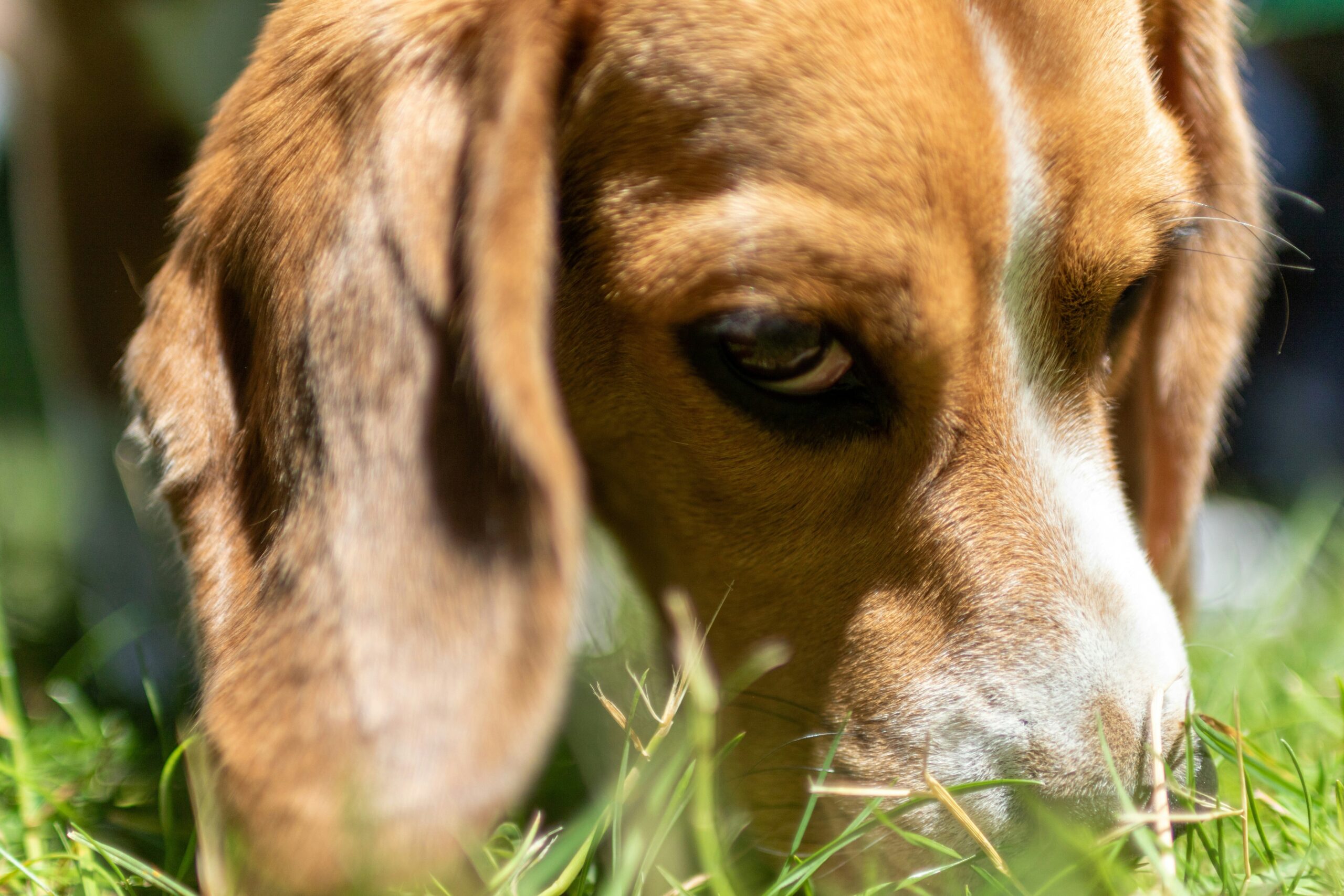
Take the search outside once they’re confident indoors. Parks, backyards, or hiking trails provide endless possibilities for scent games.
Top Tips for Success
- Keep Sessions Short: 5–10 minutes per session keeps things exciting but not overwhelming.
- Use High-Value Rewards: Think chicken bits or stinky cheese. Trust me, go big here.
- Don’t Overwhelm: If frustration sets in, dial it back. Remember, progress takes patience.
- Make It Fun: Act excited when they succeed—it rubs off on them!
- Never Punish Mistakes: Terrible tip alert: Yelling won’t help—they just want to please you.
Real Stories from Real Humans
Sarah adopted Max, an abused pit bull, three years ago. He struggled with anxiety and separation issues until she stumbled upon nosework training. Now? Max competes in local scent trials and thrives on the challenge. “It gave him purpose,” Sarah says. “He’s happier than ever.”
Then there’s Greg, whose German Shepherd mix, Luna, wouldn’t leave his side. After months of consistent practice, Luna gained enough independence to win awards in beginner classes. “She found herself,” he jokes.
FAQs About Noseway Training
Q: Can any dog benefit from nosework training?
Absolutely! Whether you’ve got a timid Chihuahua or an energetic Labrador, all breeds can enjoy this activity.
Q: Do I need professional guidance?
Not necessarily. YouTube tutorials and online courses can teach the basics, though advanced levels may require coaching.
Q: My dog seems disinterested. What should I do?
Switch up rewards or simplify the task. Sometimes dogs lose interest because the challenge feels unattainable.
Conclusion
Nosework training isn’t just another trend—it’s life-changing for rescue dogs. By embracing their sniffing tendencies, you give them confidence, mental exercise, and tons of joy. So grab those treats, hide ‘em well, and watch your furry friend transform right before your eyes.
And hey, don’t forget: Like a Tamagotchi, your pet’s happiness needs daily care. Cheers to adventures with your nosy companion!
Haiku moment:
Snouts lead the way free,
Scents whisper secrets untold,
Together we grow.