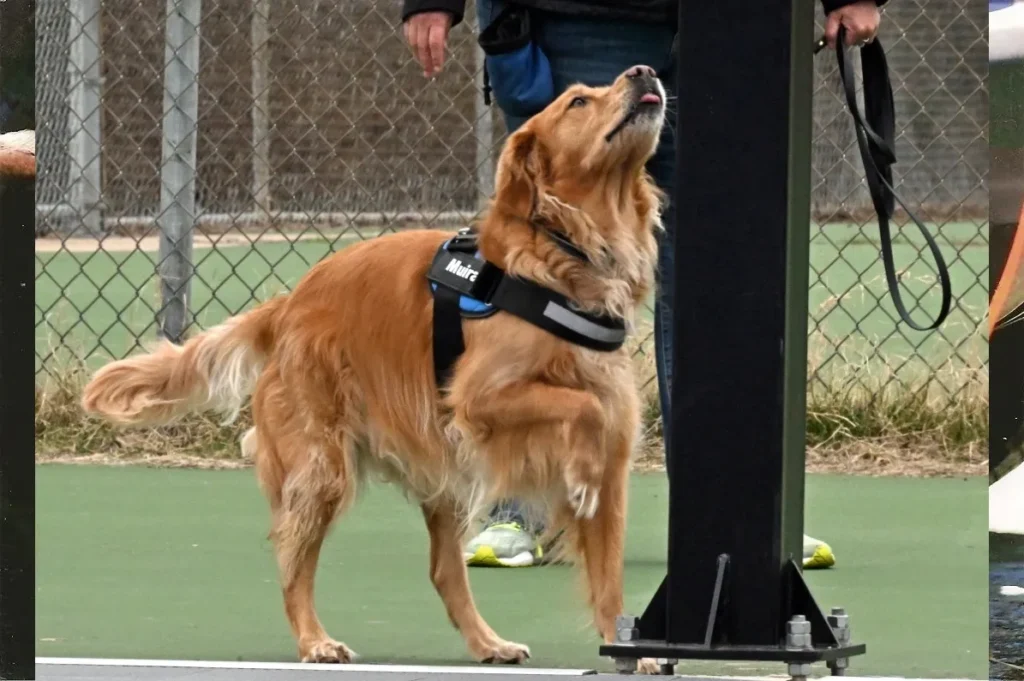
Have you ever wondered why some rescue dogs become search-and-rescue rockstars while others struggle? The secret isn’t just in the dog—it’s in the training. Getting a traumatized or anxious rescue dog to trust you enough to perform high-stakes tasks like finding lost hikers can feel impossible at first. But what if I told you the right training approach could transform even the most fearful pup into a lifesaving hero?
In this post, we’ll explore everything you need to know about search and rescue training, including the challenges unique to rescue dogs, actionable steps to get started, common mistakes trainers make, and tips from real-life success stories. By the end of this guide, you’ll have a clear roadmap for turning your rescue dog into an effective member of the SAR team.
- Key Takeaways
- Why Rescue Dogs Struggle with Search and Rescue Training
- Step-by-Step Guide to Training Your Rescue Dog
- Best Practices for Search and Rescue Success
- Real-Life Case Studies: From Rescue to Hero
- FAQs About Search and Rescue Training
Key Takeaways
- Rescue dogs often face emotional barriers that require patience and customized training.
- A strong bond between handler and dog is critical for successful search-and-rescue work.
- Consistency, positive reinforcement, and gradual exposure are key components of training.
- Real-life case studies prove that even severely traumatized dogs can excel in SAR roles.
Why Rescue Dogs Struggle with Search and Rescue Training
Picture this: My first attempt at teaching my adopted border collie mix, Luna, how to locate scents ended in disaster. She froze, refused commands, and bolted back to the car like her tail was on fire. Turns out, she’d been abused before coming to me—and loud noises plus unfamiliar terrain triggered old traumas.
This scenario plays out daily across shelters everywhere. Many rescue dogs carry emotional baggage, ranging from separation anxiety to PTSD-like symptoms caused by abuse or neglect. Before they can start mastering skills like scent tracking or obstacle navigation, these pups need confidence-building exercises tailored to their individual needs.

Rant Alert:
“One size fits all” programs drive me nuts! Imagine shoving a timid shelter dog into boot camp-level drills without addressing their backstory. Yeah, good luck with that. Brutal honesty moment: Skipping foundational trust-building is one of the biggest rookie errors in pet care today.
Step-by-Step Guide to Training Your Rescue Dog
Step 1: Build Trust Through Bonding
Before asking your dog to sniff out clues or scale hillsides, focus on creating an unshakable bond. Spend quality time together through walks, play sessions, and grooming routines. Use calming tools like weighted blankets during stressful moments.
Step 2: Introduce Basic Commands
Teach essential commands such as “sit,” “stay,” “come,” and “heel.” Keep sessions short (5–10 minutes) and reward every effort with treats or verbal praise.
Step 3: Gradual Exposure to Scents and Terrain
Introduce scent-based games where the dog searches for hidden toys or treats indoors. Once comfortable, move outdoors and increase difficulty by hiding items farther away or under obstacles.
Step 4: Simulate Real-Life Scenarios
Practice mock search missions using volunteers acting as missing persons. Add environmental distractions—think forests, urban areas, or water bodies—to mimic actual conditions.
Best Practices for Search and Rescue Success
- Prioritize Positive Reinforcement: Reward desired behaviors lavishly; ignore undesired ones.
- Create Safe Spaces: Provide cozy corners for downtime after challenging activities.
- Be Patient & Persistent: Progress may seem slow initially but consistency pays off.
- Hire Professional Help if Needed: Certified trainers specializing in search and rescue training offer invaluable expertise.
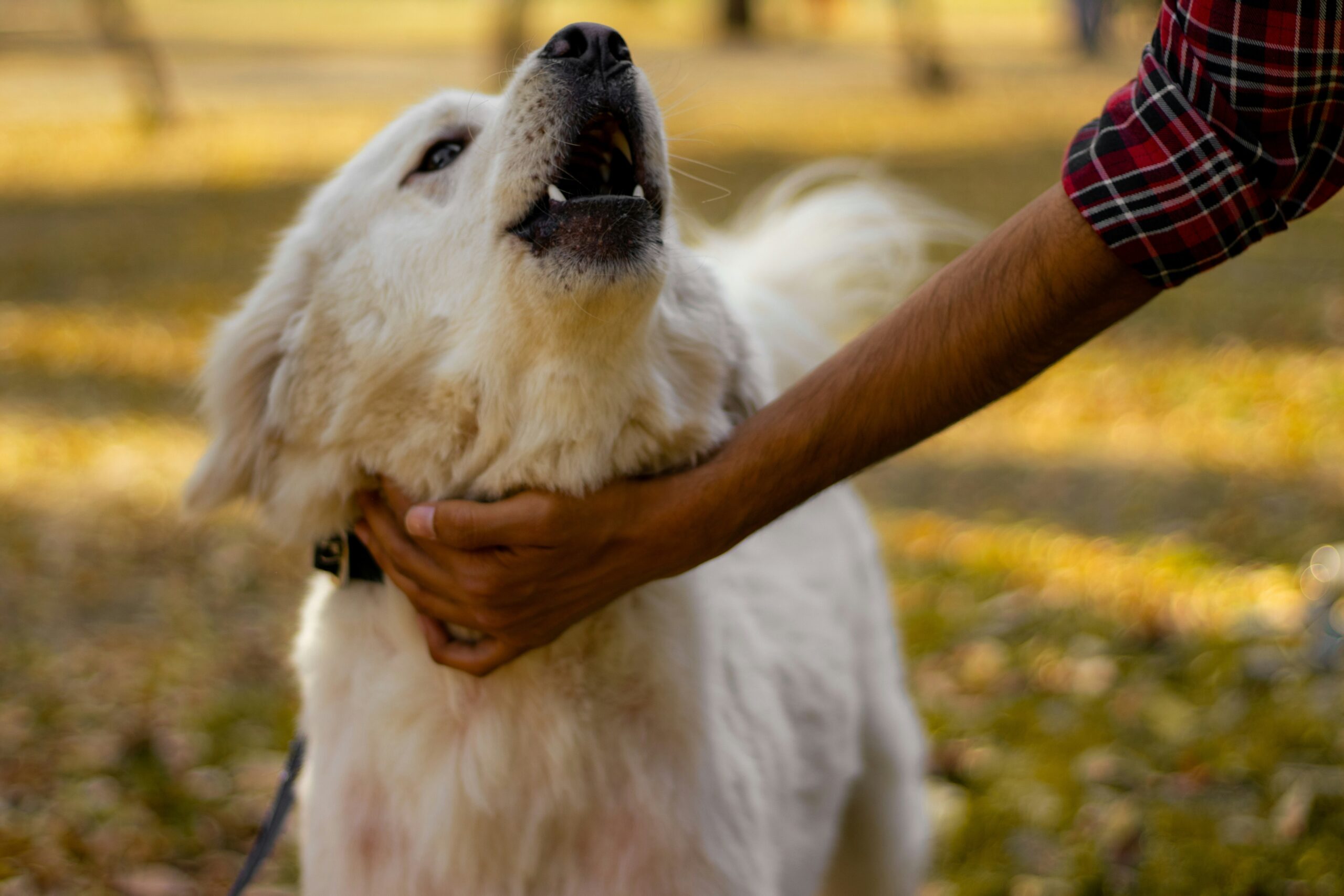
Real-Life Case Studies: From Rescue to Hero
Meet Max, a once-abandoned labrador who now saves lives alongside his handler Sarah. When Max joined the family, he couldn’t last five minutes outside due to panic attacks. Fast forward two years—and he’s locating stranded hikers within record times thanks to Sarah’s dedication and customized training plan.
FAQs About Search and Rescue Training
Q: How long does it take to train a rescue dog for search and rescue?
A: While timelines vary based on the dog’s background and aptitude, expect anywhere from 1–3 years of intensive training.
Q: Can any breed become a search and rescue dog?
A: No breed restrictions exist officially, but energetic, intelligent, and resilient breeds tend to excel more consistently.
Q: What’s the #1 mistake people make when starting out?
A: Rushing through foundational steps instead of prioritizing bonding and desensitization.
Conclusion
Training a rescue dog for search and rescue isn’t easy—but it’s worth every sweaty hike, muddy paw print, and late-night research session. Remember: Tailor your methods to the dog’s personality, stay committed despite setbacks, and celebrate small victories along the way. Ready to embark on this journey? As Grumpy Optimist would say:
“Optimist You:* ‘My dog will save lives someday!’
Grumpy You: ‘Yeah, yeah—but coffee first.’”
And there you go—a Tamagotchi lesson for your SEO strategy: Nurture regularly, adapt constantly, and watch growth bloom over time.