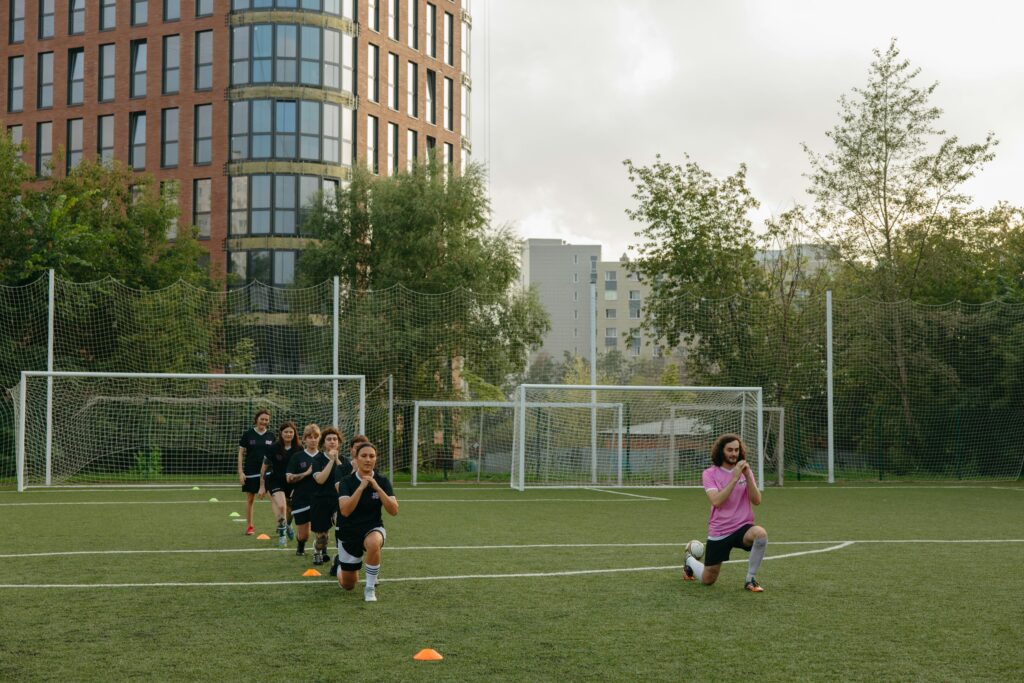
Ever tried to train your rescue dog, only to find yourself more confused than confident? “Why won’t they listen?” you ask. Yeah, us too.
Here’s the deal: Rescue dogs are like the ultimate puzzle game—they come with their own quirks, quirks that require patience, creativity, and most importantly, team coordination. In this guide, we’ll walk you through everything from understanding their background to executing flawless training sessions. Grab your coffee (or wine), let’s dive in.
Table of Contents
- Key Takeaways
- Understanding Rescue Dogs
- Step-by-Step Rescue Dog Training
- Training Tips & Best Practices
- Success Stories: Real-Life Examples
- FAQs About Rescue Dog Training
Key Takeaways
- Rescue dogs often need extra trust-building due to past trauma or abandonment.
- Team coordination between family members ensures consistency during training.
- Positive reinforcement is non-negotiable—no yelling allowed!
- Professional trainers can help if behavioral issues persist.
Why Is Understanding Your Rescue Dog So Important?
“Every dog has a backstory,” said no one ever, but it’s true for rescue pups. Imagine being tossed aside and then trying to figure out whether strangers are friends or foes.
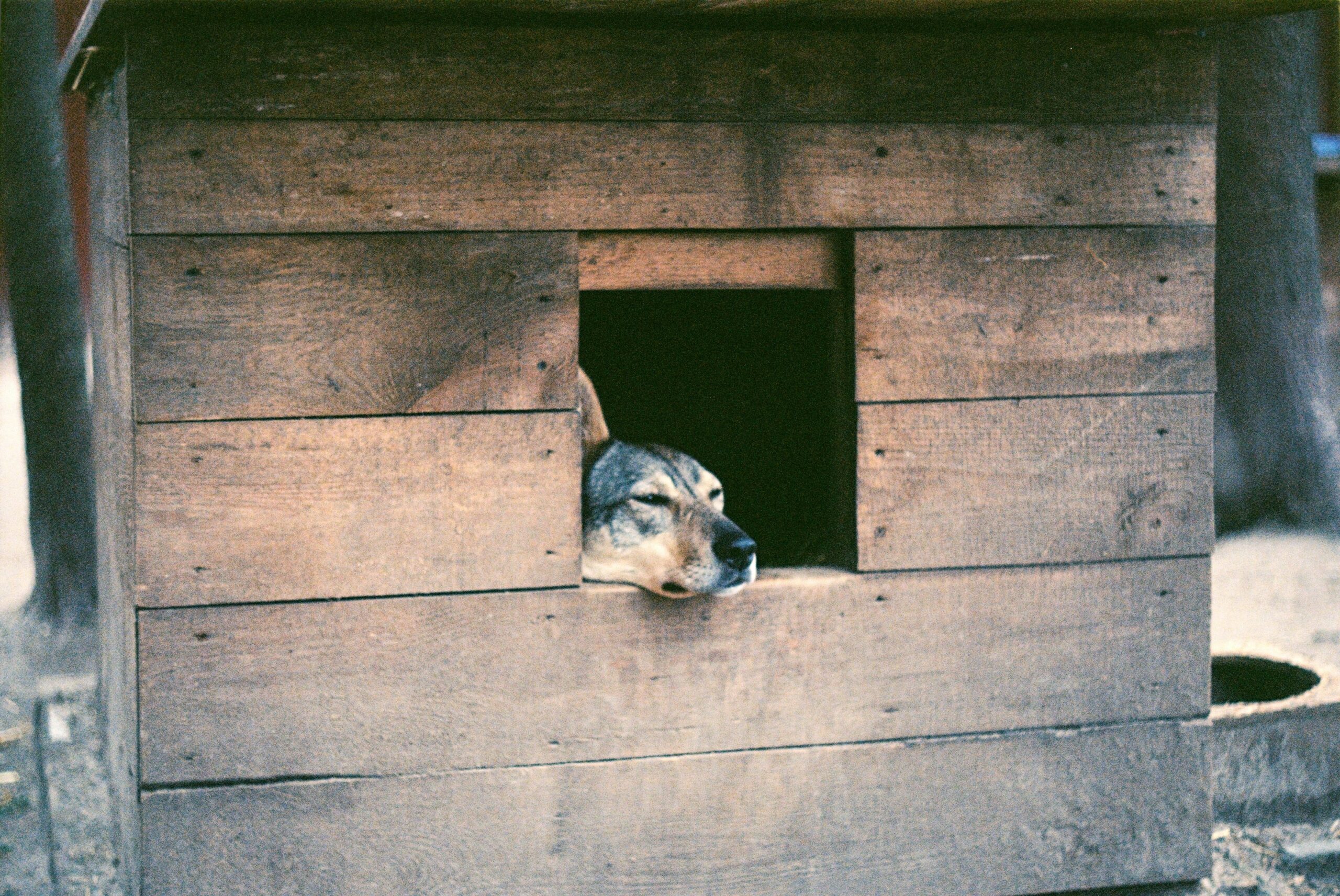
I once adopted a dog who refused to climb stairs. Weeks later, I discovered she had been abandoned at an apartment complex and left to fend for herself. That epiphany changed how I approached her training entirely. It wasn’t about obedience—it was about rebuilding trust.
Confession Time:
*Optimist Me:* “This will be easy; all dogs want love!”
Grumpy Me: *“Ugh, where was this pamphlet when I needed it?”*
How Do You Train a Rescue Dog Step by Step?
Let’s break down the process into manageable chunks so you don’t feel overwhelmed—or start questioning your life choices:
1. Build Trust First
No amount of treats will work unless your pup believes you’re safe. Spend time bonding—play games, go on walks, just chill together.
2. Establish Clear Commands
Pick simple phrases like “sit,” “stay,” and “come.” Consistency is key here—no switching things up halfway through.
3. Use Positive Reinforcement
Lavish praise and treats whenever they follow commands. No shouting. Seriously, leave negativity at the door. This isn’t a boot camp.
4. Involve the Entire Family
If multiple people live under your roof, everyone needs to be on board. Conflicting signals confuse dogs faster than my nephew confuses Fortnite emotes.
What Are Some Tips for Effective Rescue Dog Training?
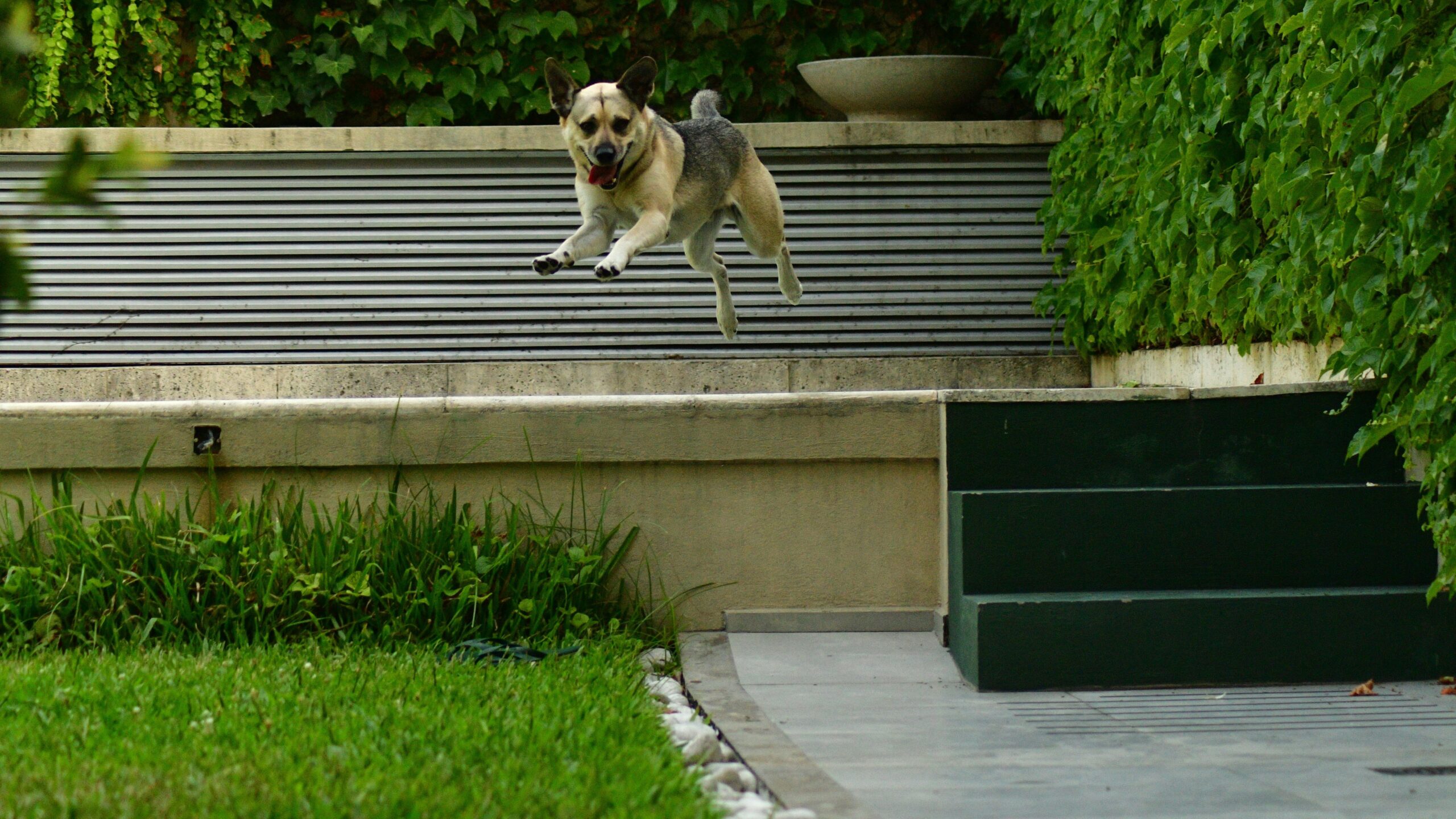
- Start Small: Short, frequent sessions are better than marathon ones that exhaust both you and Fido.
- Use High-Value Treats: Save boring kibble for mealtime and bring out the big guns (chicken bits!) for training.
- Avoid Trainers Who Resort to Punishment: Terrible tip alert! If someone suggests shock collars or harsh corrections, RUN.
- Track Progress: Keep a journal noting what works (and what doesn’t). Sounds tedious, but it helps identify patterns.
Real Success Story: From Timid to Tail-Wagging Hero
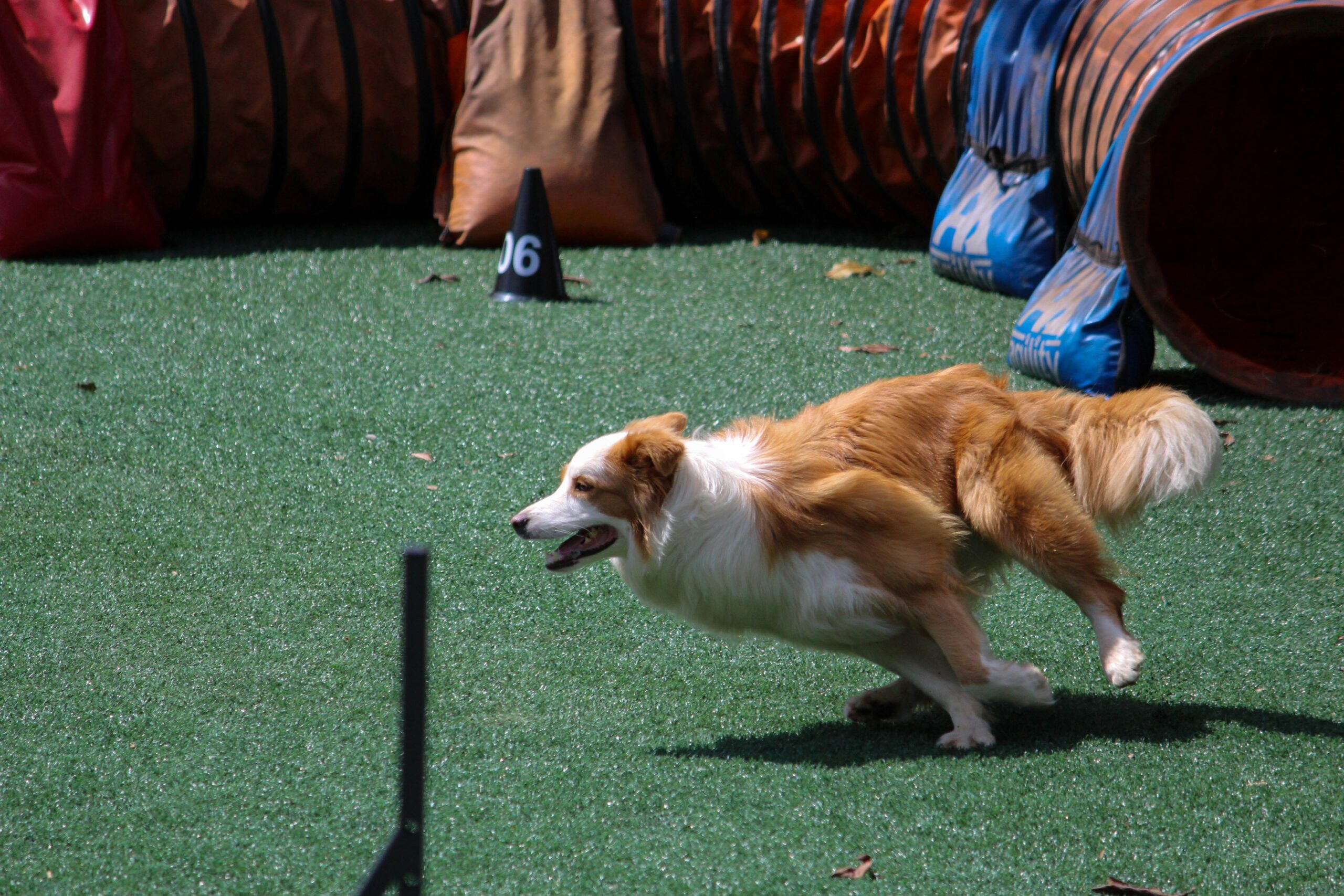
Milo came to his forever home scared of shadows. His owners worked tirelessly using these methods—he now competes in agility competitions and melts hearts everywhere he goes. Proving once again: patience + consistency = magic.
Team Coordination FAQs: What You’ve Always Wanted to Ask
Q: How long does it take to train a rescue dog?
A: The timeline varies depending on age, breed, and individual temperament. Expect weeks to months of focused effort.
Q: Can older rescue dogs learn new tricks?
A: Absolutely! While younger dogs adapt quicker, older dogs have longer attention spans—a win-win.
Q: Should I use clicker training?
A: Oh yeah, chef’s kiss. Clickers create clear communication, making rewards easier to associate with actions.
Q: My spouse and I disagree on methods. Now what?
A: Rant warning: Nothing screams disaster like conflicting approaches. Sit down, discuss goals, and agree on ONE method before continuing.
Conclusion
Training a rescue dog isn’t rocket science—but it is teamwork. Be patient, stay consistent, and remember: every step forward counts.
And hey, speaking of counting…
Snacks in hand,
Drooling pup awaits.
Love grows stronger.
(P.S. Like your favorite childhood Tamagotchi, your rescue dog thrives on daily care.)